by Fern Shaw | May 13, 2026 | water cooler, water dispenser
This article forms part of AquAid’s Water Cooler Guide to Health series.
In our very busy lives, it’s often the simplest habits that become the hardest to maintain.
Take drinking water, for example. Most of us know we should be drinking more of it, yet during long working days, endless meetings and screen-heavy routines, it’s surprisingly easy to forget. Hours pass, concentration dips, headaches creep in and only then do we realise we haven’t had a proper drink all day.
The brain tends to notice this faster than we think.
It Makes Sense That Hydration Plays an Important Role
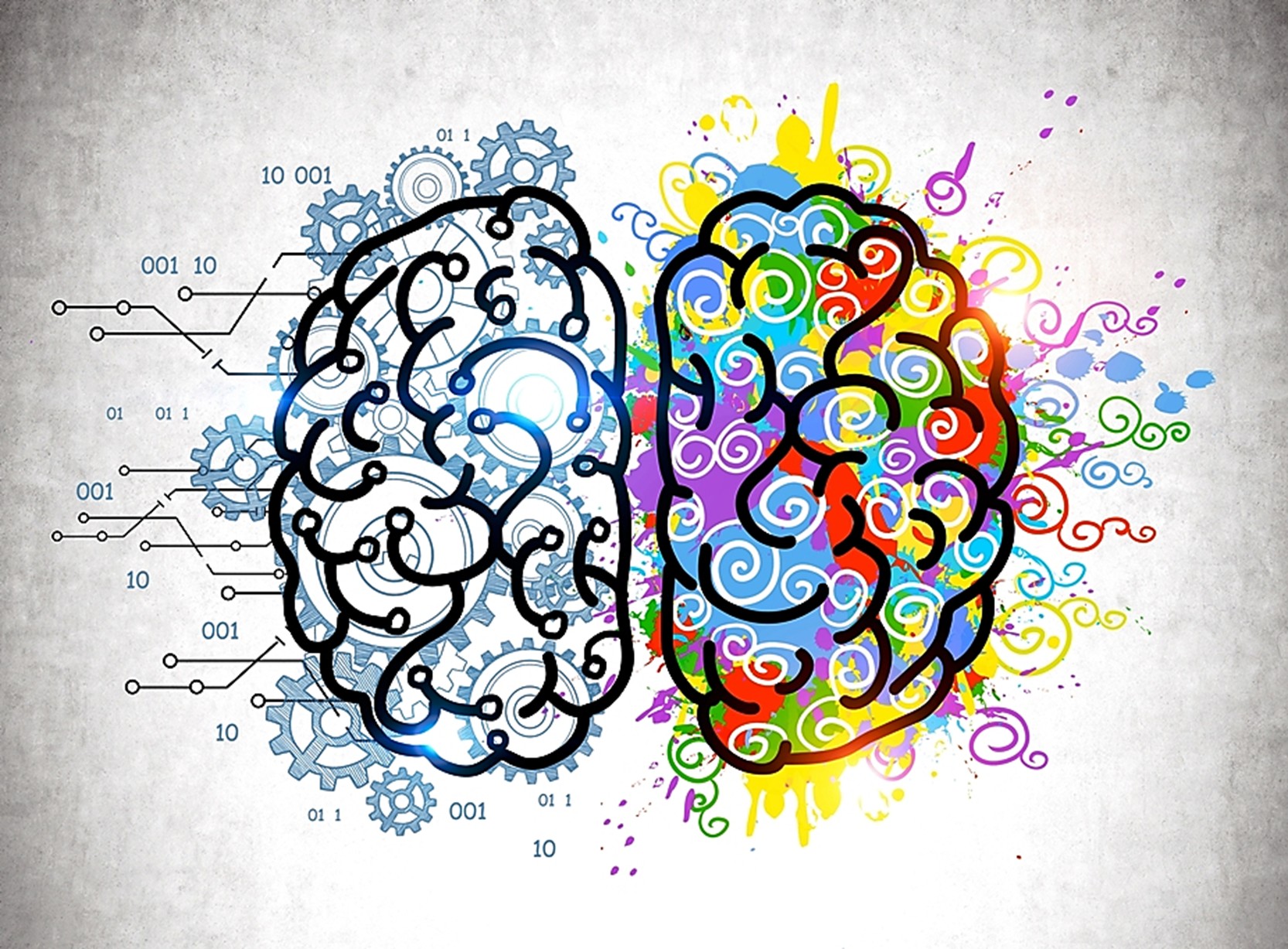
Given that the brain is made up of around 75% water, it makes sense that hydration plays an important role in how clearly and efficiently we function day to day. From concentration and memory to mood and alertness, water helps support the processes that keep our minds working steadily throughout the day.
Our brains contain billions of neurons constantly sending signals throughout the body. When hydration levels begin to drop, even slightly, those processes can become less efficient. That can leave us feeling sluggish, unfocused or mentally tired far sooner than usual.
Studies Have Linked Even Mild Dehydration
Studies have linked even mild dehydration to reduced concentration, poorer memory and lower attention spans. It can also affect mood, making people feel irritable or fatigued more quickly.
One of the more common signs is difficulty concentrating for long periods of time. Another is headaches. For some people, dehydration is a recognised headache and migraine trigger, particularly during warmer weather or after long stretches without fluids.
Staying Hydrated is One of the Simplest Habits
The good news is that staying hydrated is one of the simplest habits to improve. Keeping water nearby during the day makes it far easier to drink consistently rather than waiting until thirst kicks in.
Easy access to water dispensers, whether that’s in workspaces, educational settings, medical facilities or shared environments, can help encourage regular drinking habits without disrupting the flow of the day. Even short pauses to refill a bottle or grab a glass of water can help people reset and refocus.
And while water won’t magically turn us into productivity machines overnight, being properly hydrated does help support clearer thinking, steadier concentration and better day-to-day mental performance.
After all, when your brain is working hard all day, it makes sense to give it the water it relies on.
Sources
by Fern Shaw | Apr 15, 2026 | Water, water cooler, water cooler, Water Coolers, water dispenser
April doesn’t so much arrive as burst through the door, arms full of occasions. One minute it’s April Fools’ Day, the next it’s Stress Awareness Month, while National Pet Month reminds us to take the best care of our pets (and probably take that walk you promised yesterday).
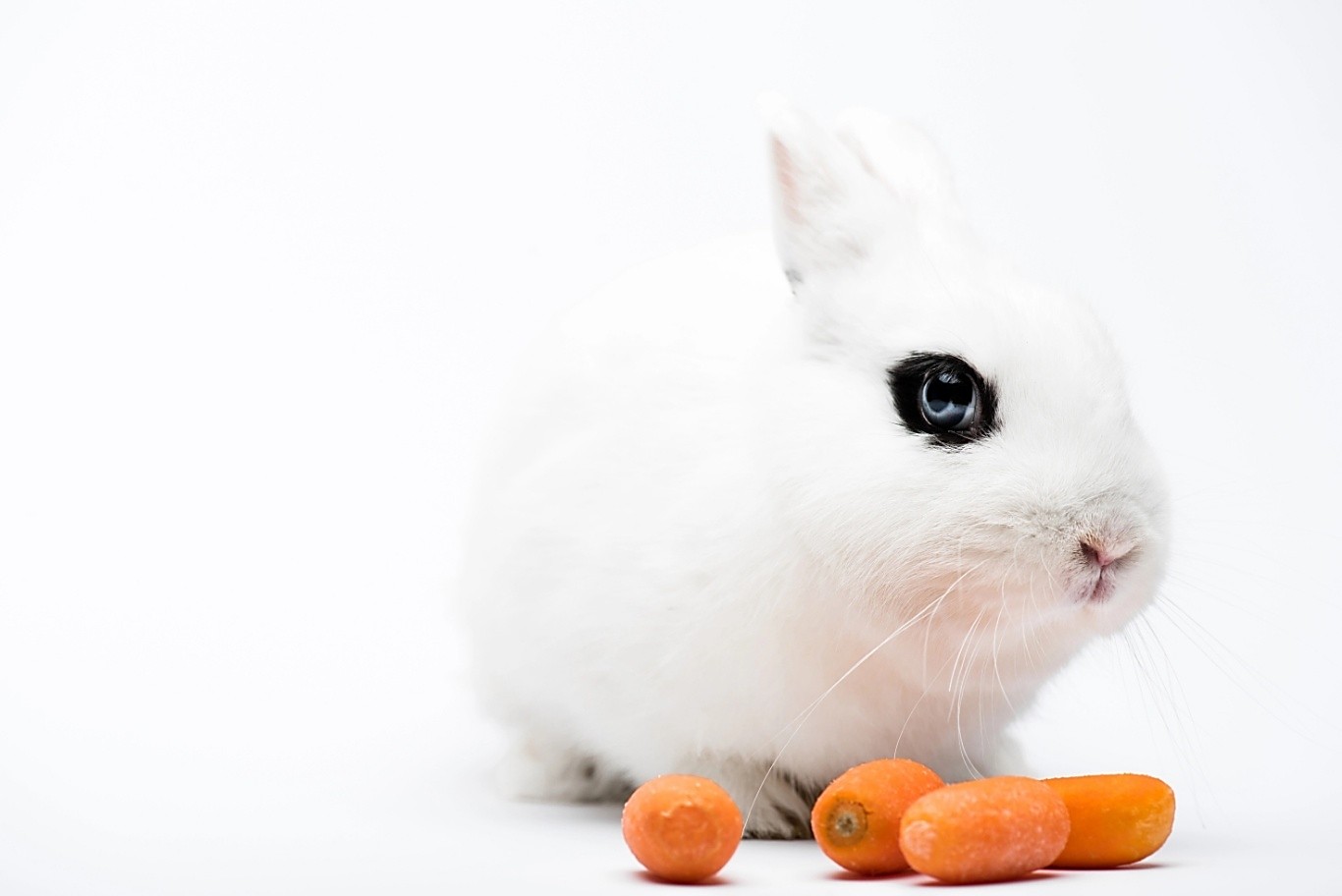
Then come the curveballs. International Carrot Day pops up as Easter still lingers – rabbits everywhere, carrots getting their moment. Fair enough. Just maybe don’t start watering a full carrot crop from the office water dispenser … we’re fairly sure that’s not what it’s there for.
And April doesn’t stop there. There’s New Beers Eve for those who like a celebratory sip, Malbec Day for the wine enthusiasts and even International Macaron Day for something a bit sweeter. By the time St. George’s Day rolls around, it’s safe to say your calendar’s had a proper workout.
It’s all good fun – a month packed with plenty of reasons to smile, celebrate or simply take a breather. But with so much going on, it’s surprisingly easy to overlook celebrating our own well-being.
Like drinking enough water.
Between ticking off occasions, juggling work and remembering whether you’ve already fed the pet (you probably have), hydration can slip down the list. A quick refill of your water bottle or topping up your water glass during the day might not be as headline-grabbing as a themed ‘day of’ but it does wonders for keeping you feeling on form – steady, focused and ready for whatever April throws next.
So, by all means, enjoy the macarons, raise a glass if you fancy it and give your pet that well-deserved extra attention (all while making sure they have easy access to drinking water). For yourself though, keep one simple habit ticking along no matter the occasion, observance or event: drink water, refill, repeat.
April will still be just as busy – you’ll just feel a bit better keeping up with it.

by Fern Shaw | Mar 30, 2026 | bottle fed water coolers, mains fed water cooler, water cooler, Water Coolers, water dispenser
March also brought World Hearing Day – a reminder that our ears do far more than help us hear. They also play a key role in balance, coordination and how we experience the world around us.
At AquAid, we know hydration is about more than simply quenching thirst. In this series, we look at how drinking enough water supports different organs in the body — and how easy access to drinking water through a water cooler can help people stay properly hydrated throughout the day.
This article forms part of AquAid’s Water Cooler Guide to Health series.
While it’s not always obvious, your ears rely on fluid to function properly. Staying hydrated helps support that balance and keeps things working as they should.
How Your Ears Work
Deep within the ear are small, fluid-filled structures that help convert sound into signals the brain can understand. These same structures also help regulate balance.
For this system to work effectively, the fluid inside the inner ear needs to remain stable. Even small changes can affect how sound is processed or how steady you feel. (hearinglosstoolkit.org)
That’s where hydration plays a role – helping the body maintain the right conditions for these processes to run smoothly.
How Hydration Makes a Difference
Water supports the balance of fluids within the inner ear, which is essential for both hearing and equilibrium. When hydration levels dip, that balance can shift slightly. (hearingsociety.org)
In some cases, this may contribute to sensations such as:
- light-headedness or dizziness
- ringing in the ears (tinnitus)
- a feeling of pressure
Hydration also supports the soft tissues and protective lining within the ear, helping them function as a barrier against irritation. (professionalaudiology.com)
Alongside hydration, it’s worth considering how we listen day to day. Regular use of headphones or keeping devices close to the ears – particularly at higher volumes – can place added strain on hearing over time. Taking short breaks and keeping volume at a comfortable level can help support long-term ear health.
In busy environments it’s easy to overlook regular drinking. Having water to drink readily available from a bottled water cooler or mains fed water coolers makes it easier to keep hydration steady.
Signs You Might Need More Water
Hydration needs vary but a few simple cues can help guide you. Feeling slightly dizzy, fatigued or experiencing a dry mouth can all point to low fluid intake.
As with other aspects of health, small, consistent habits tend to work best – sipping water regularly rather than going long periods without it.
Drinking Water Daily
Making drinking water accessible isn’t just a nice idea – it supports steady hydration when people are busy or focused. High-traffic water coolers and modern water dispensers offer refreshing drinking water which encourages regular drinking without interrupting the flow of the day.
Whether it’s a short break, a quick pause between tasks, or a moment to reset, these small opportunities to drink water help keep your system – including your ears – functioning smoothly.
Ear ‘Ear
Your ears rely on a delicate balance of fluid to support both hearing and stability. Drinking enough water helps maintain that balance and supports everyday comfort.
With modern listening habits playing a bigger role in how we use our ears, it’s worth pairing good hydration with simple awareness – keeping volume at sensible levels and giving your ears the occasional break.
Easy access to fresh drinking water makes it simpler to stay topped up – helping you feel steady, focused and ready for whatever the day brings.
by Fern Shaw | Mar 9, 2026 | water boiler, Water Boilers, water cooler, Water Coolers, water dispenser
Building on a previous instalment from 2016, we leap forward to 2024 to find out how the British appetite has evolved over the last eight years. While the original 1970s data gave us a baseline, the recent shift from 2016 to today reveals a nation rapidly refining its palate and its priorities.
According to the latest Family Food data released by Defra, our plates tell a story of convenience, health-consciousness and a complete reimagining of the British staple.
Beyond the Pint of White
In our 2016 update skimmed milk had overtaken whole-fat. Fast forward to 2024 and the traditional dairy pint is in a steeper decline than ever. It’s no longer just about the fat content; we are now a nation of dairy alternatives. Oat, almond and soy variants have moved from niche health shop finds to fridge essentials, reflecting a broader shift toward plant-based living.
The Air Fryer Revolution
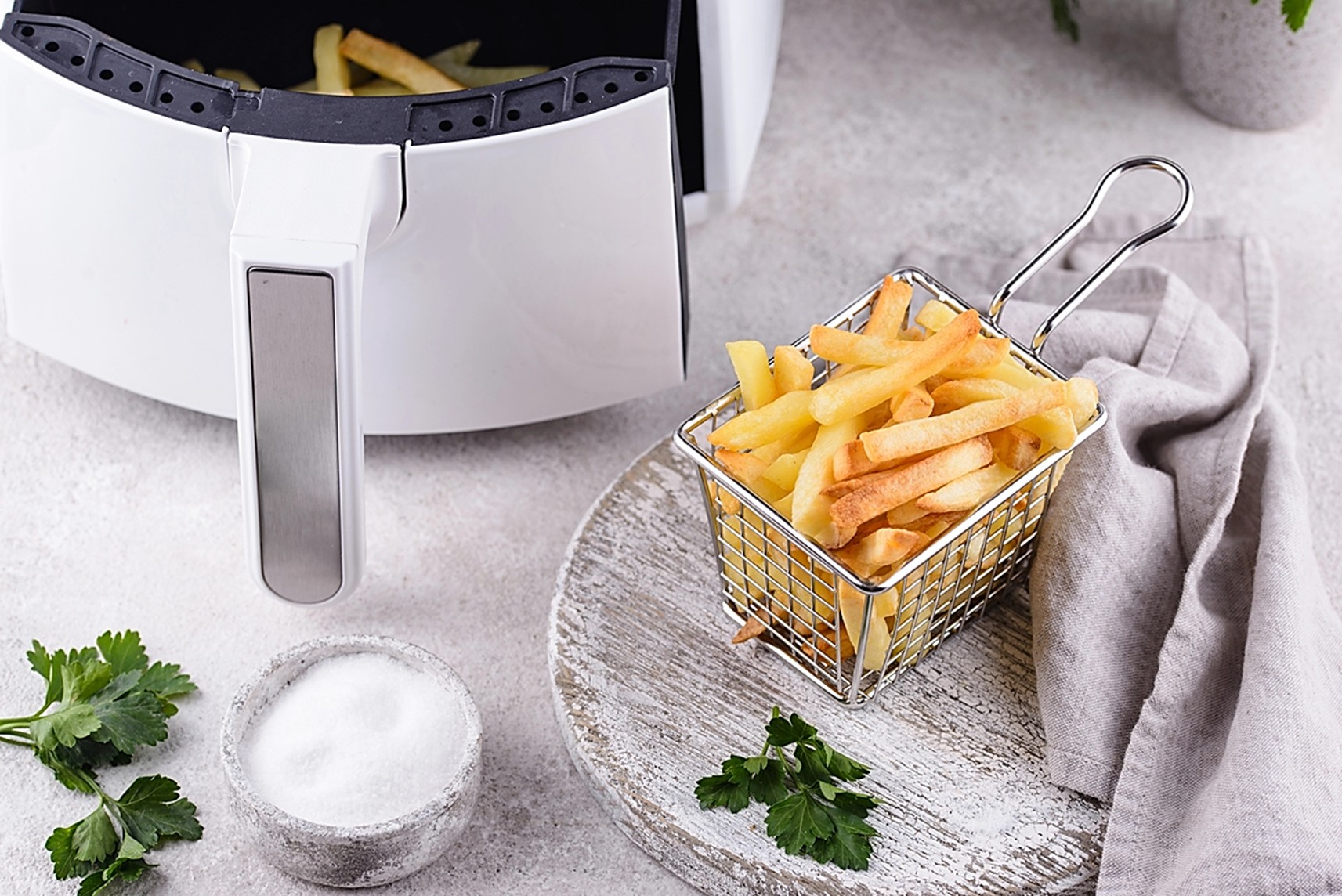
In 2016, we were buying three times more chips than in the seventies. Today, that trend continues but the cooking method has been disrupted. The meteoric rise of the air fryer since our last blog means we are still enjoying our chips, but they are increasingly prepared in a way that is healthier and quicker. The deep-fat fryer is being banished in favour of modern tech.
The Great Hydration Shift
One of the most telling changes since 2016 isn’t just what we eat, but what we choose to wash it down with. While many still swear by a proper brew, tea purchases have continued their steady slide as coffee – particularly filter coffee – is on the increase. Overall, however, there has been a significant move away from constant heavy caffeine hits in favour of pure, refreshing water.
Whether it is the ubiquity of the office water cooler or the rise of the reusable bottle, drinking water has become the ultimate lifestyle choice. The water dispenser has become the new social hub of the workplace, as we have realised that staying hydrated is the simplest productivity hack available.
A Globalised Pantry
The ‘Italianisation’ we noted previously has expanded into a truly global pantry. While tinned peas and meat paste are firmly relics of the past, our baskets are now filled with avocados, sweet potatoes and haloumi. Since 2016, these items have moved from trendy extras to weekly necessities.
So, where does that leave us? We are eating less beef, more chicken, more fresh fruit and significantly more ready-to-eat salads. The British public is striking a balance: the convenience of a quick meal accompanied by a water bottle refill from the water cooler and a side of fresh greens.
Of course, I’m still dispensing piping hot water from the office hot water boiler to make my endless mugs of tea. However, in an effort to keep up with these more health-conscious habits, I might just try to cut back on how many biscuits I dunk.
by Fern Shaw | Feb 22, 2026 | bottle fed water coolers, water cooler, Water Coolers, water dispenser
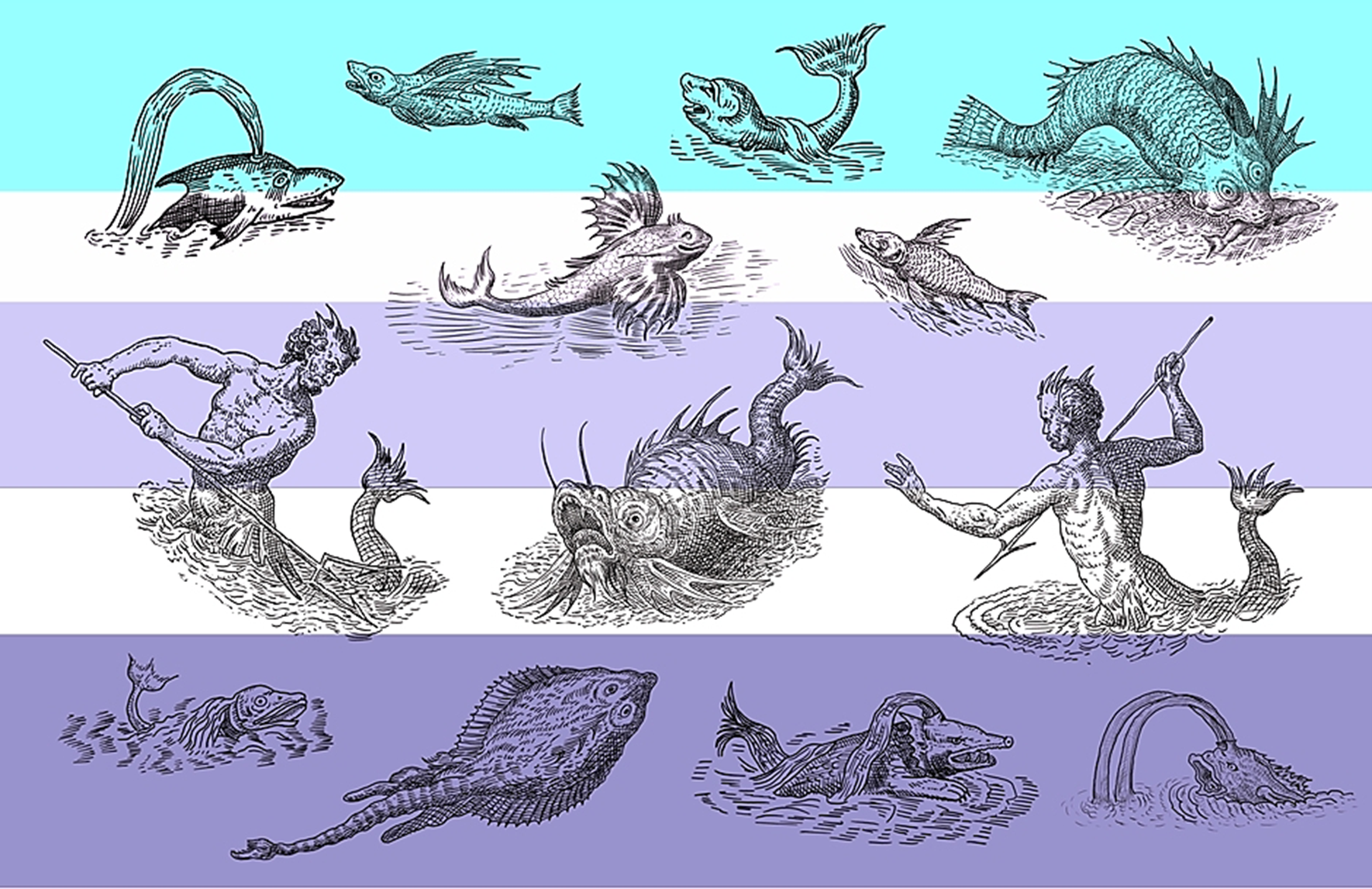
We’ve all heard tall tales about what might be lurking beneath the surface of lakes and rivers. Thankfully, the only thing you’ll find in a well-maintained office water supply is cool, clean refreshment. Still, Britain has produced some wonderfully strange freshwater folklore over the years. Let’s dive in, shall we?
Jenny Greenteeth – Lancashire & the North West
Said to dwell in ponds and slow-moving streams, Jenny Greenteeth was blamed for pulling unsuspecting children into the water. With green skin and sharp teeth, she was the stuff of Victorian warnings about playing too close to murky banks. A useful reminder to respect open water – and perhaps to stick to a properly filtered supply indoors.
The Grindylow – Yorkshire & the Humber
A cousin of Jenny, the Grindylow was thought to lurk in marshes and stagnant pools. Described as having long arms and a habit of dragging wanderers below the surface, it featured heavily in northern cautionary tales. Fresh, moving water was considered safer – though we’d still recommend something drawn from a hygienic source rather than a moorland beck.
Peg Powler – River Tees
Along the banks of the River Tees, Peg Powler was the name given to a river hag said to haunt the shallows. Parents warned children that Peg would snatch them if they strayed too close. Like many river legends, the story likely served as a practical lesson about hidden currents and slippery stones.
The Each-Uisge – Scottish Highlands
Often described as a freshwater relative of the kelpie, the Each-Uisge was said to inhabit lochs rather than the sea. Taking the form of a horse, it would tempt riders onto its back before plunging into deep water. As ever, folklore and fast-flowing water make uneasy companions.
Fortunately, the only surprise your office hydration point should deliver is how refreshing it tastes. Any of the wide range of high-quality AquAid water dispensers offers a dependable source of refreshing drinking water without the folklore.
If you prefer traditional spring supplies, a bottled water cooler provides sealed, quality-checked water delivered straight to your workplace. Alternatively, mains fed water coolers connect directly to your building’s supply, filtering it on site for a constant flow with no bottles required.
No river hags. No loch beasties. Just a constant supply of clean, great-tasting water – exactly as it should be.