
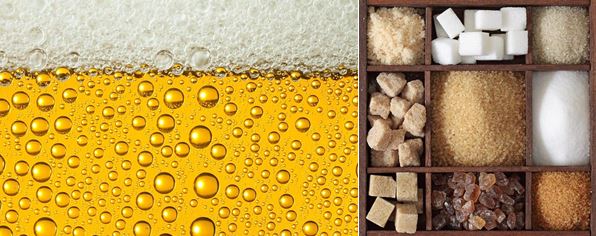
Everyone knows that if a person is in shock one of the most effective ways of combating it is to give the person some sugar water to drink. This raises the blood sugar levels almost immediately.
But perhaps we haven’t realised just how bad sugar can be for us and also how much of it can be found in our favourite tipple.
So before you think you’re in the clear when it comes to quaffing your drink of choice – here are a few indicators of just how much sugar is in your favourite bevy:
*Your quintessential GIN & TONIC contains four teaspoons of sugar.
VODKA & CRANBERRY contains a whopping 7.5 teaspoons of sugar. Admittedly vodka itself has pretty much zero sugar, but then we weren’t all brought up drinking neat vodka.
RUM & COKE contains a un(healthy) seven teaspoons of sugar.
When we move onto unmixed alcohol, like ciders, wines and beers, the results are a little more cheerful:
CIDER is probably the worst culprit, with around 5 teaspoons of sugar per bottle.
WHITE WINE has a lower sugar content – 1.5 teaspoons of sugar – but this of course depends on which white wine you’re drinking.
RED WINE is probably about your safest bet with only a quarter teaspoon of sugar per glass.
The good news is that BEERS and ALES contain the least sugar overall.
A bottle of BEER contains around 0.5 of a teaspoon of sugar and a bottle of ALE contains about 1 teaspoon.
So, although this should have you heading on down to your local and raising your glass, full of good beer cheer, you’ll need to bear in mind that a lot of your beers and ales also contain additives, corn syrups, preservatives and colorants.
Of course, seeing as AquAid are all about water, you have to have known that there had to be a mention in here somewhere, so here it is:
All of the above drinks start with water and a combination of processes, whether it’s mixing water with barley or water with potatoes – which is, I suppose, quite a plus – as this means, in essence, you are drinking water.
If it’s unlikely that you’re about to give up your favourite tipple, irrespective of how much or how little sugar it has – try this option out – for every drink you have, match it with a glass of water.
Then there’s the final option (which may just have the majority of us running for the hills with some home-made distilling type set-up) which involves ditching the drinks and all that sugar and sticking to drinking water. It may not give you the same kick as neat vodka will (also zero percent sugar) but you’ll never have to count sugar content again.
Bottoms up!
*Volumes here are loosely based on either a 500ml bottle or a glass of.
Frequently Asked Questions
How much sugar is in a gin and tonic?
A gin and tonic contains about four teaspoons of sugar. This is primarily due to the tonic water, which is often sweetened to balance the bitterness of the quinine.
If you’re watching your sugar intake, you might consider using a diet tonic water, which typically has less sugar or uses artificial sweeteners. This can significantly reduce the sugar content in your drink, allowing you to enjoy a gin and tonic with less guilt.
Is vodka a low-sugar alcohol option?
Vodka itself is a low-sugar alcohol option, as it contains virtually no sugar. However, the mixers you choose can significantly increase the sugar content of your drink.
For example, a vodka and cranberry juice cocktail contains about 7.5 teaspoons of sugar, largely due to the cranberry juice. To keep your drink low in sugar, consider mixing vodka with soda water and a splash of lime for flavour.
Which type of wine has the least sugar?
Red wine generally has the least sugar among wines, with only about a quarter teaspoon of sugar per glass. This makes it a relatively low-sugar option compared to other alcoholic beverages.
White wine contains more sugar, approximately 1.5 teaspoons per glass, though this can vary depending on the type of white wine. If you’re looking to minimise sugar intake, red wine is typically your best bet.
Are beers and ales low in sugar?
Yes, beers and ales are generally low in sugar. A bottle of beer contains about 0.5 teaspoons of sugar, while a bottle of ale contains around one teaspoon.
However, it’s important to note that some beers and ales may contain additives, corn syrups, and preservatives. If you’re looking for a healthier option, consider choosing craft beers or those with fewer additives.
Why is water important when drinking alcohol?
Water is crucial when drinking alcohol because it helps to keep you hydrated and can mitigate some of the dehydrating effects of alcohol. Alcohol is a diuretic, which means it increases urine production and can lead to dehydration.
By drinking water alongside alcohol, you can help maintain your body’s fluid balance. This practice can also help you consume alcohol more responsibly, as it slows down your drinking pace and reduces the overall amount of alcohol you consume.
