
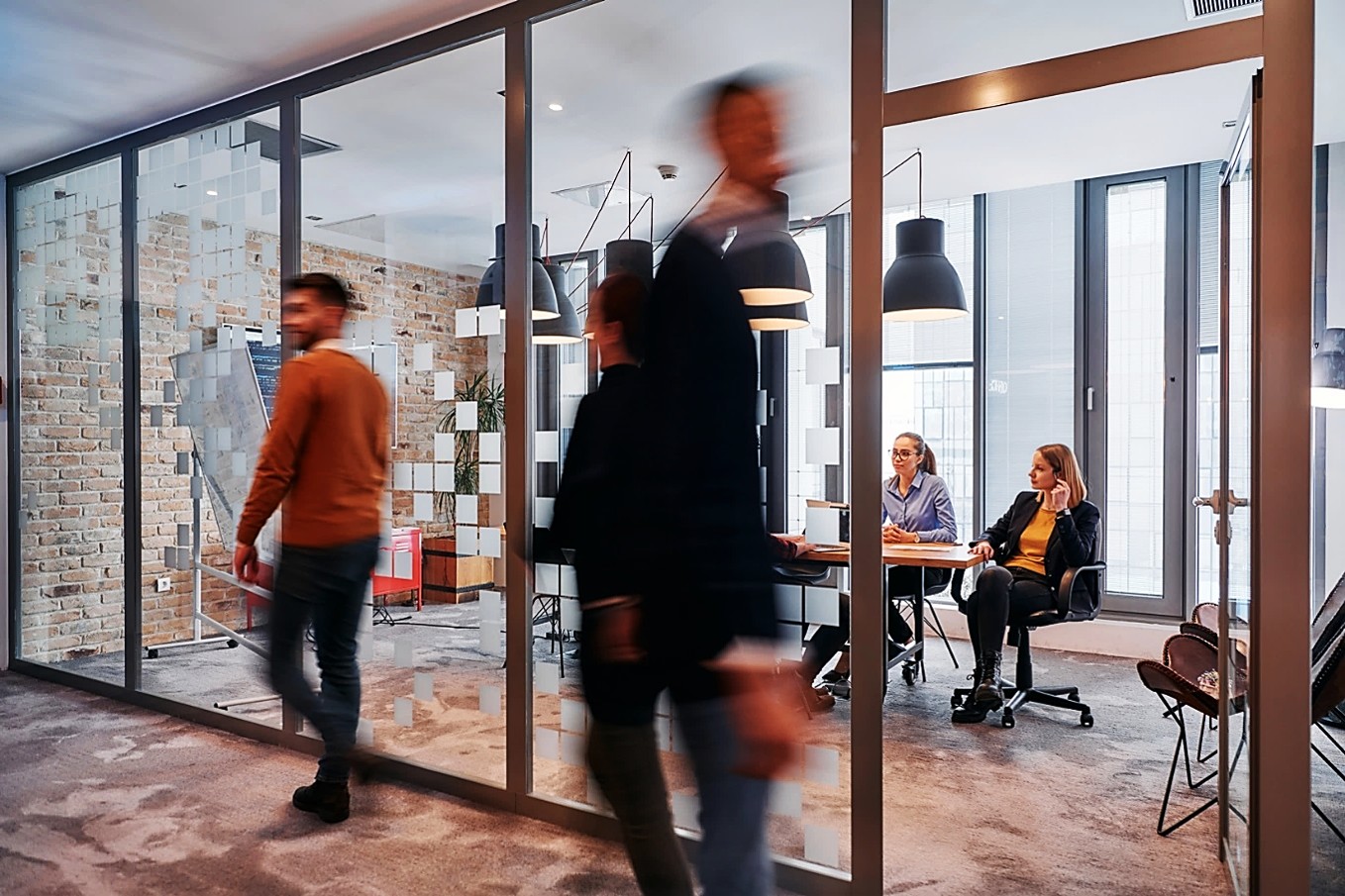
It’s 8:15 on a Monday morning.
The building is only just waking up. Coats are off, sleeves rolled up and desktops are powering up.
Someone stops at the water cooler on the way in. A quick drink of water and they’re off.
By 9:30, the building is filling up and the water cooler has a steady stream of visitors. Someone fills a bottle before a meeting or replenishes their water glass.
Another day at work but these everyday scenes show how easily the role of a water cooler can go unnoticed.
11:00 – Meeting break
A meeting finishes and several people need a drink at once. Bottles are filled, glasses topped up and someone pauses for a quick chat before heading back to their desk.
It’s an ordinary part of the working day but the demand isn’t always quite so ordinary. In a larger organisation, hundreds of people might use water dispensers across different floors, departments or buildings. Where they are positioned and what type of dispenser is used can become more important as the scale increases.
12:30 – Lunch
People are coming and going from kitchens, canteens and break areas. Some are filling bottles before heading out. Others are simply stopping for a drink.
Perhaps this is where the water cooler gets overlooked. It just needs to be there when people need it.
2:00 – Visitors arrive
Visitors arrive for meetings. Contractors are on site. Someone from another branch has travelled in for the afternoon.
The workplace is no longer just serving its own staff. The people using the building have changed, even if the building itself hasn’t.
Reception, meeting rooms and staff areas all have different patterns of use.
An experienced water dispenser supplier can help identify what fits each setting and the organisation as a whole.
3:30 – On the move again
Someone fills their water bottle before heading across to another building.
Perhaps there’s another office on the other side of the site, a university campus or a temporary worksite.
The water cooler might stay put but the people using it don’t.
5:00 – The building empties
The phones are quieter. Desktops power down, monitors switch off and desks are tidied as people leave.
The last few water top-ups are done ahead of the commute home and the building settles for the evening.
The water cooler space/time continuum
A workplace isn’t always one building with one set of requirements. A university might have lecture theatres, libraries and sports facilities. A hotel has guest and conference areas. Medical, retail and construction settings have their own demands.
The same basic need is there but the circumstances around it can be vastly different.
But somewhere in the middle of all that activity, there’s usually a water cooler having a busy day. And tomorrow morning, at 8:15, it’ll be ready to do it all again.
