by Fern Shaw | Sep 23, 2026 | water cooler, water dispenser
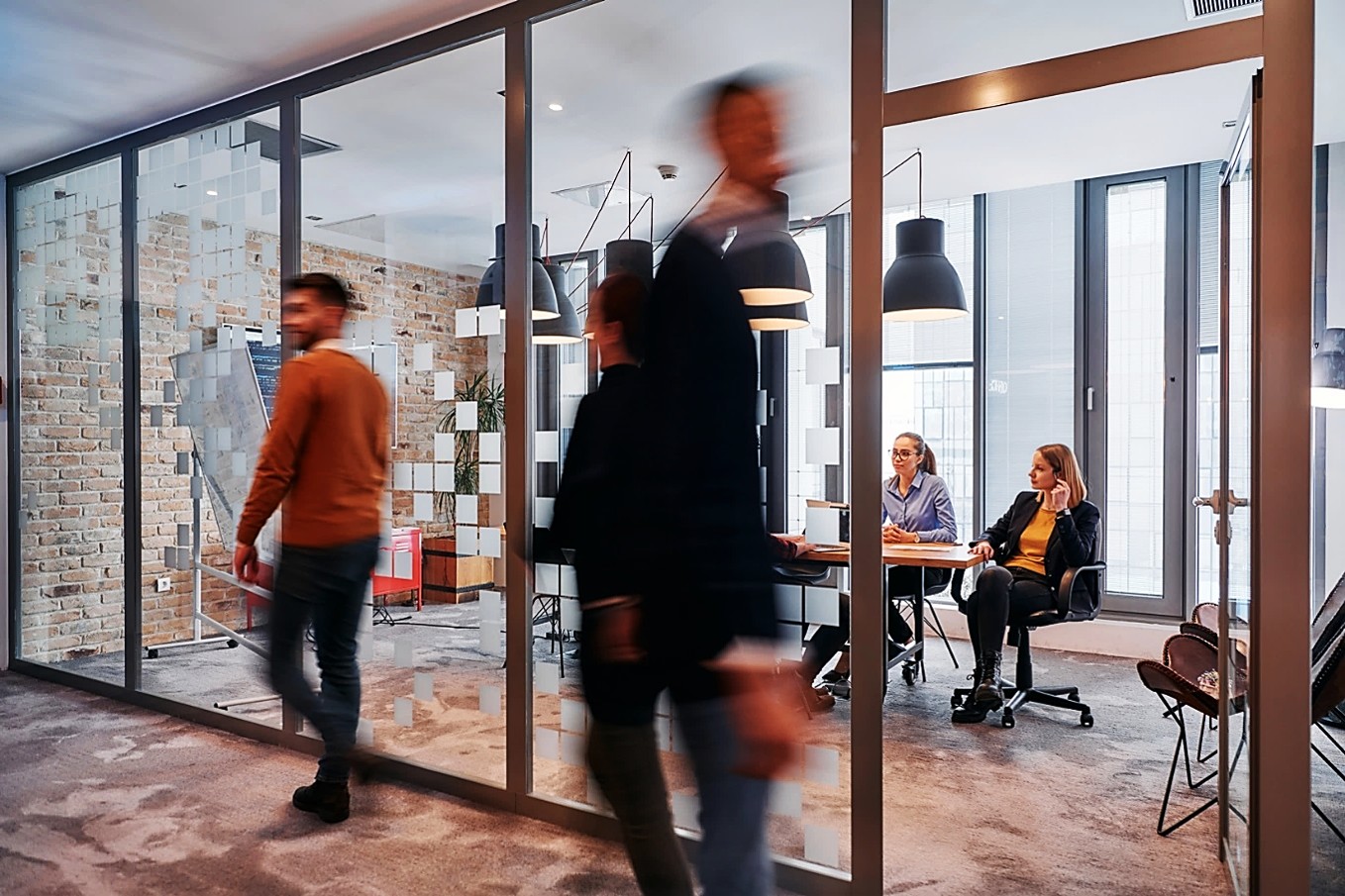
It’s 8:15 on a Monday morning.
The building is only just waking up. Coats are off, sleeves rolled up and desktops are powering up.
Someone stops at the water cooler on the way in. A quick drink of water and they’re off.
By 9:30, the building is filling up and the water cooler has a steady stream of visitors. Someone fills a bottle before a meeting or replenishes their water glass.
Another day at work but these everyday scenes show how easily the role of a water cooler can go unnoticed.
11:00 – Meeting break
A meeting finishes and several people need a drink at once. Bottles are filled, glasses topped up and someone pauses for a quick chat before heading back to their desk.
It’s an ordinary part of the working day but the demand isn’t always quite so ordinary. In a larger organisation, hundreds of people might use water dispensers across different floors, departments or buildings. Where they are positioned and what type of dispenser is used can become more important as the scale increases.
12:30 – Lunch
People are coming and going from kitchens, canteens and break areas. Some are filling bottles before heading out. Others are simply stopping for a drink.
Perhaps this is where the water cooler gets overlooked. It just needs to be there when people need it.
2:00 – Visitors arrive
Visitors arrive for meetings. Contractors are on site. Someone from another branch has travelled in for the afternoon.
The workplace is no longer just serving its own staff. The people using the building have changed, even if the building itself hasn’t.
Reception, meeting rooms and staff areas all have different patterns of use.
An experienced water dispenser supplier can help identify what fits each setting and the organisation as a whole.
3:30 – On the move again
Someone fills their water bottle before heading across to another building.
Perhaps there’s another office on the other side of the site, a university campus or a temporary worksite.
The water cooler might stay put but the people using it don’t.
5:00 – The building empties
The phones are quieter. Desktops power down, monitors switch off and desks are tidied as people leave.
The last few water top-ups are done ahead of the commute home and the building settles for the evening.
The water cooler space/time continuum
A workplace isn’t always one building with one set of requirements. A university might have lecture theatres, libraries and sports facilities. A hotel has guest and conference areas. Medical, retail and construction settings have their own demands.
The same basic need is there but the circumstances around it can be vastly different.
But somewhere in the middle of all that activity, there’s usually a water cooler having a busy day. And tomorrow morning, at 8:15, it’ll be ready to do it all again.

by Fern Shaw | Sep 21, 2026 | water cooler, Water Coolers, water dispenser
Businesses rarely stand still for very long.
An office that once seemed spacious can suddenly feel rather cramped. A company moves into a larger premises, takes on another building or refurbishes the one it already has. A hotel adds new facilities. A university opens another teaching space. A construction project gets underway. A temporary site appears where there wasn’t one six months ago.
And while plenty of attention goes into desks, furniture, IT and everything else that needs moving, installing or reorganising, there’s another practical question that needs considering:
What happens to the drinking water?
The water cooler that was perfectly suited to a small office may not be quite so well suited once the workforce has doubled. A dispenser that worked in one corner of a building might no longer be in the right place after a refurbishment. And a permanent installation isn’t necessarily the answer when a business needs drinking water somewhere for a few weeks or months.
In other words, the water provision that made perfect sense two years ago may not make quite as much sense today.
Businesses change. Water provision can change with them.
There’s no single definition of a workplace these days.
A business might have a traditional office, a warehouse, several retail locations and a head office. A hotel might have guest areas, conference facilities and staff spaces. A university can have lecture theatres, libraries, sports facilities and administrative buildings spread across a large campus.
Then there are the less permanent arrangements: temporary offices, events, refurbishment projects and job sites that exist for a particular purpose and a particular length of time.
Each has its own demands.
That’s where having different options becomes useful. A business might choose to purchase a water cooler for a permanent location, while water cooler rental could make more sense for a temporary or changing requirement. A mains-fed water cooler may suit one part of a building, while bottled water coolers are a more practical option elsewhere.
Sometimes it’s simply a matter of putting the right equipment in the right place.
The move itself is only part of the story
Moving into a new building is a good opportunity to look at what is actually needed rather than automatically recreating what was there before.
Perhaps there are now more people using the building. Perhaps there are several floors instead of one. Perhaps the staff kitchen has moved, the reception area is busier or a previously unused space has become a meeting area.
Even the position of a water dispenser can make a difference to how useful it is.
The same applies when a business isn’t moving at all. A refurbishment, expansion or change in how a building is used can be enough to make existing arrangements worth reconsidering.
And sometimes the change is temporary.
A company may need additional water coolers while work is being conducted on its main premises. A theatre may require extra provision during a production. A construction project will have different requirements as the site develops. An event may need bottled drinking water brought in for a defined period.
Not every requirement needs to become a permanent fixture.
There’s no rule saying it has to stay the same
Perhaps that’s the simplest way of looking at it.
Your business has changed. Your building has changed. The way people use that building has changed.
So why shouldn’t the way you provide drinking water change too?
Whether that means installing a new water cooler, moving existing equipment, adding temporary cooler placements, arranging bottled water delivery or switching from one type of dispenser to another, the right solution is likely to depend on what the organisation actually needs now.
Because sometimes the most sensible thing to do with a water cooler is not to leave it exactly where it was.
Especially when everything else has moved on.

by Fern Shaw | Sep 14, 2026 | water cooler, Water Coolers, water dispenser
The British weather has many talents. Being predictable isn’t one of them.
One minute it’s sunny enough for sunglasses and the next you’re wondering where you left your jumper. As we head towards autumn the days may still be pleasantly mild but it’s also the time of year when thoughts turn from keeping everyone supplied with chilled drinking water to considering what happens when demand for hot water starts picking up again.
And there’s another seasonal change worth thinking about: schools are back.
From Chilled to Steaming Hot
A water dispenser doesn’t necessarily have to be about keeping things cold. As the seasons change so can the way people use their drinking water facilities.
A hot water boiler can be particularly useful as demand for hot drinks picks up. Rather than waiting for hot water to be heated when it’s needed, a mains-fed boiler provides hot water ready when required.
For larger workplaces or busy environments that can make a noticeable difference to the morning tea and coffee queue. And let’s be honest, when autumn arrives the queue can become surprisingly long.
Meanwhile, Back at School …
As schools return, classrooms, staff rooms, sports halls and canteens are busy again.
For schools the requirement is slightly different. It’s not just about having drinking water available. It’s about making it easy for pupils and staff to refill bottles and reach for water throughout a busy school day.
AquAid’s school hydration solutions include a range of drinking fountains and bottle-filling options designed with the school environment in mind. They can be installed indoors or outdoors depending on the requirements of the site with features designed to make everyday use straightforward.
So, while the weather forecast may be making its usual attempt to keep everyone guessing there’s a little more certainty when it comes to planning your water provision.
Now is a good time to look at what people need today and what they’re likely to need as the seasons change.
Because whether it’s a school welcoming back pupils or a workplace heading towards the cooler months a well-chosen water solution should be ready for whatever the weather decides to throw at us.
by Fern Shaw | Sep 8, 2026 | water cooler, Water Coolers, water dispenser
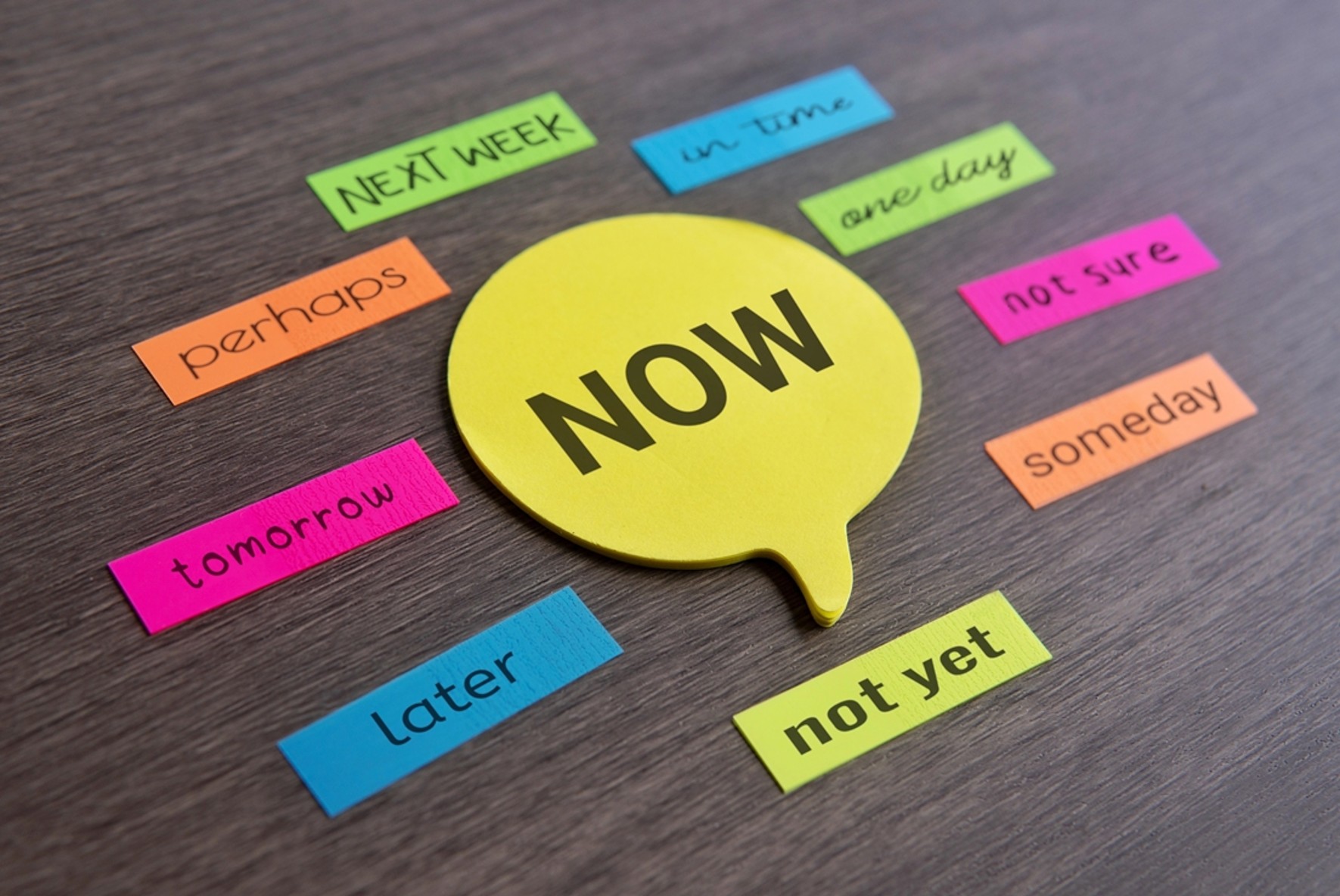
We’ve all done it. There’s a job that needs doing, but suddenly the washing needs sorting, the kitchen needs cleaning or that email you’ve been avoiding for three days becomes really important.
Welcome to procrastination – putting off something you don’t particularly want to do and promising yourself you’ll get round to it later.
It’s hardly a new habit. The ancient philosophers apparently had plenty to say about procrastination and the word itself appeared in the Oxford dictionary way back in 1548. So, in fairness, we’ve had an extraordinarily long time to get better at it. We just haven’t quite got round to it yet.
How do we stop putting things off?
One useful trick is to make the task feel less daunting. If you’re looking at a mountain of jobs, break it down into smaller steps and tackle them one at a time. Knowing where to start can be half the battle.
And before you reach for another coffee, there’s something else worth considering: water.
Staying hydrated is important for normal brain function and research has found that dehydration can affect aspects of cognitive performance. In one study, drinking water after dehydration improved performance on judgement and decision-making tasks. (PubMed)
Could your water cooler be an unlikely ally in the fight against procrastination?
Possibly. Keeping water to hand and drinking regularly can help you stay hydrated, which may help you think more clearly and avoid that foggy-headed feeling. And when your brain is feeling sharper, tackling that awkward email, making a decision or finally starting that job you’ve been putting off might seem a little easier.
Of course, no amount of water is going to make tidying the garage exciting. But it might help you decide that now is the time to get started.
So, whether it’s on Fight Procrastination Day itself or before or after, fill your glass at the water dispenser, pick one thing you’ve been putting off and get it done.
You can always procrastinate tomorrow.
by Fern Shaw | Aug 24, 2026 | water cooler, Water Coolers, water dispenser
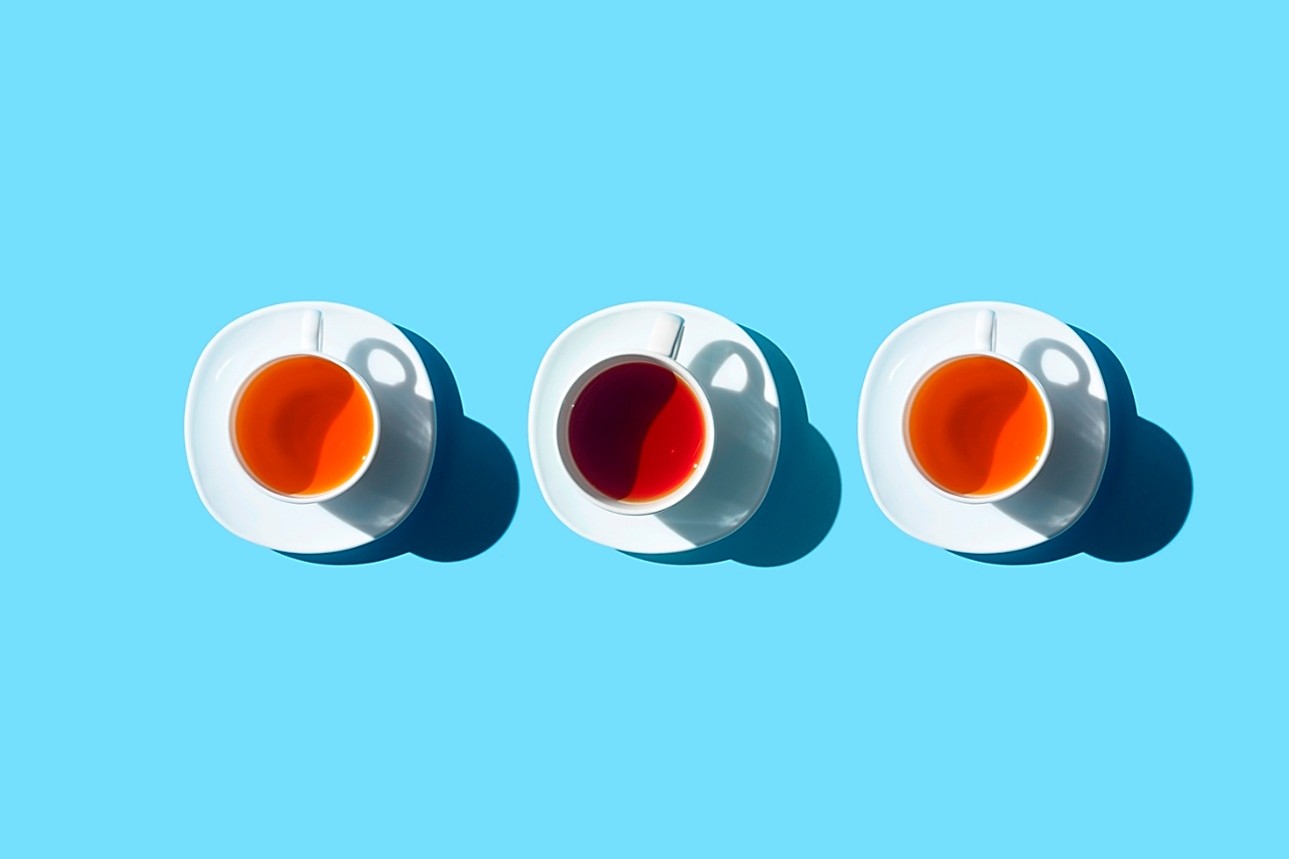
It sounds counterintuitive. You’re hot, the sun is beating down and someone hands you a piping hot cup of tea. Surely the last thing you need is more heat?
Well … perhaps not.
There’s some science behind the idea that a hot drink can help cool you down. When you drink something hot, your body can respond by increasing the amount you sweat. And when that sweat evaporates from your skin, it takes heat with it, helping to cool you down.
But there’s a rather important catch. Sweat needs somewhere to go.
For this cooling effect to work, your sweat needs to evaporate. In hot, dry conditions, that can happen efficiently, potentially making a hot drink surprisingly effective at helping your body lose heat.
In hot and humid conditions, however, evaporation becomes much harder. If sweat is simply sitting on your skin or dripping away, drinking something hot isn’t going to provide the same cooling benefit – and the heat from the drink is still being added to your body.
So, what about an ice-cold glass of water?
Research suggests that cold drinks can reduce the rise in core body temperature during activity in hot conditions and can make you feel cooler too. (PubMed)
And what about room-temperature water?
There’s no magic temperature you have to drink your water at. Ambient-temperature drinks can be perfectly effective for hydration and have been shown to be consumed at similar rates to chilled water by people working in hot conditions. (PubMed)
In other words, the best drink may simply be the one you enjoy drinking and will reach for regularly.
So, hot tea on a hot day? It’s not quite as crazy as it sounds. Chilled water? Absolutely fine too. Room-temperature water? Nothing wrong with that either.
And with AquAid’s high-quality hot & cold water dispensers, there’s no need to choose just one. Whether you fancy piping hot water for a cuppa or chilled water to refresh you, the choice is yours.
Now that’s what we call an all-weather water dispenser.

by Fern Shaw | Aug 17, 2026 | water cooler, Water Coolers, water dispenser
Unfortunately, drinking and replenishing our water usually isn’t a priority – from the moment we arrive in the office and even less likely throughout the working day, often until well after leaving work.
There are a few reasons for this:
Our focus is on work. Organising. Deadlines. Problem solving. Schedules. Meetings.
Our jobs require 100% attention. Whether the job spec requires precision work, attention to detail or constant interaction with customers, colleagues or other divisions.
There isn’t enough time in the day. Despite even the best organisational skills, this is a common complaint for those in the workplace.
In a study conducted by the Natural Source Waters Association of 300 UK General Practitioners, it was found that “one in five GP consultations were down to tiredness and fatigue and one in ten of those were thought to be linked to dehydration.”
It’s no surprise then that possibly the last thought that occurs is providing our body and mind with the very fuel which helps us function effectively while at work and throughout the working day.
However, there is a rather simple solution available:
Install AquAid water dispensers at work.
A water glass on the desk or bottled water to hand makes it easier to keep drinking throughout the day, particularly for those who are always on the move.
Getting into a routine of taking short breaks throughout the day can also help: take a breather, stretch your legs and circuit past your water cooler station to replenish your water.