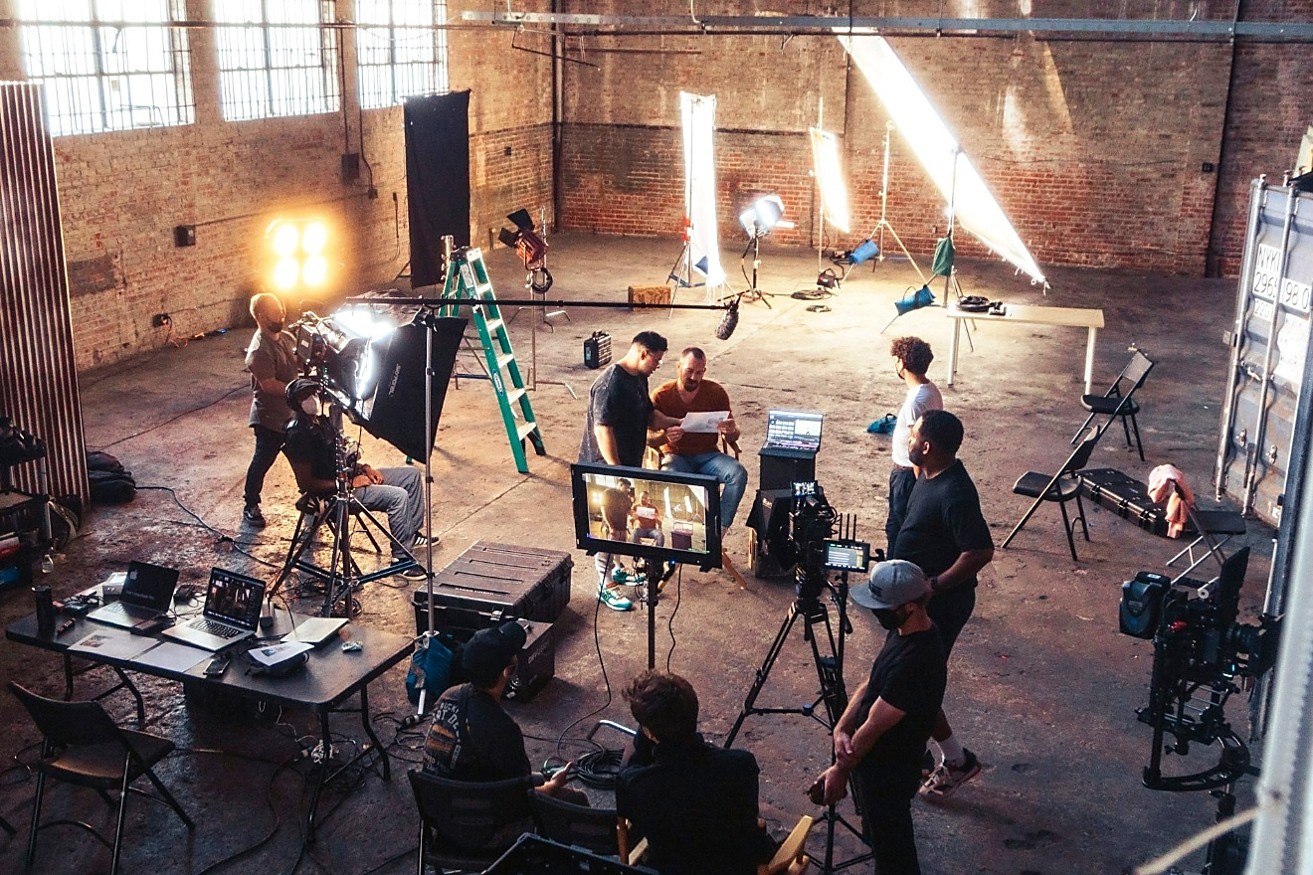
A theatre during a long production. A hotel preparing for a conference. A university campus at the start of term. At first glance, they don’t have much in common.
One is preparing for an audience. Another is getting ready to welcome hundreds of delegates. The third is about to fill with students, lecturers and staff after the relative calm of the holidays.
Yet there’s one thing they all have in common: people need somewhere to get a drink of water while everything else is going on. And that’s where things get interesting.
It’s not always where you’d expect
When we think about water coolers, it’s easy to picture the familiar office setting. A dispenser in a staff kitchen or break area, ready for someone to fill a glass or water bottle between meetings.
But water dispensers turn up in plenty of places that don’t look much like a traditional workplace.
Take a theatre. During a long production, there’s a lot happening away from the stage. Performers, crew, technicians, front-of-house staff and other teams can all be working to different schedules, often for hours at a time.
A hotel has its own rhythm. Guest areas, staff spaces, kitchens, conference rooms and event facilities can all be in use at once, particularly when a large conference or function is taking place.
Then there’s a university campus, where ‘the workplace’ can stretch across lecture theatres, libraries, laboratories, sports facilities, offices and student areas.
The setting changes. The need doesn’t.
Busy places have busy water requirements
Some environments are busy all day. Others become busy at particular times.
A retailer might see a sharp increase in activity over a weekend. A construction site can change considerably as a project progresses, with different crews and contractors arriving and leaving. A medical facility may operate around the clock, with staff working shifts rather than a conventional nine-to-five day.
Even within the same building, different areas can have completely different patterns of use.
That means there isn’t necessarily one obvious place for a water cooler, or one type of water dispenser that suits every situation.
A busy reception area has different requirements from a staff room. A temporary worksite has different requirements from a permanent office. A conference venue preparing for an event may need additional drinking water provision for a particular period rather than indefinitely.
Sometimes it’s the environment that dictates the solution.
And then there’s everything happening around it
People don’t visit a water cooler because the water cooler is the main event.
They’re there because they’re about to go into a meeting. They’re heading back to work. They’re taking a break between performances. They’re preparing a room for a conference. They’re starting another shift. They’re moving between buildings.
The water is simply one of the practical things that needs to be available while all of that is happening.
Which is why location, capacity and the type of water dispenser can become important considerations, particularly in larger or more complex environments.
One need. Lots of settings.
The setting may change, but the need for an easily accessible hydration station remains. What that looks like can vary from a bottled water cooler or mains-fed dispensers to additional provision for a temporary event, project or change in demand.
Because it’s rarely the water cooler itself that’s the focus. It’s what is happening around it, and making sure drinking water is available as part of everything else that needs to work.
Wherever people are working, meeting, performing, studying, building or caring, drinking water is simply one more practical requirement that needs to be considered.
