by Fern Shaw | Oct 19, 2026 | mains fed water cooler, Water Boilers, water cooler, Water Coolers
There’s a point when the weather turns cooler and our habits begin to change. Coats, puffer jackets and boots reappear, windows stay closed and the appeal of drinking chilled water can give way to something warmer. Even the quick refresh at the water cooler might become a little less frequent.
But does our need for drinking water change with the temperature?
Out with the Sun, Out with the Water Bottle?
During warmer weather, drinking water tends to be more front of mind. We feel hot, we sweat more and reaching for a drink comes naturally. When temperatures drop, thirst may be less noticeable, so it’s easy to drink less without really thinking about it.
The trouble is that our bodies still need water throughout the year. Colder weather doesn’t mean hydration can be put on hold, even if the urge to reach for a chilled drink has lost some of its appeal.
The trick is to keep drinking regularly rather than relying entirely on feeling thirsty. Keeping our bottled water topped up and nearby is a useful reminder, particularly when work gets busy and the next meeting seems to arrive before the last one has finished.
A Change of Temperature, Not a Change of Habit
Seasonal changes can influence what people reach for. Some will continue to favour cold drinking water, while others may be more tempted by a hot drink.
A well-positioned water cooler can keep drinking water readily available, whatever the weather. And where preferences change, having access to hot water, such as a hot water boiler or a hot and cold water cooler can be useful.
For organisations reviewing their facilities, the practical considerations remain much the same. Whether a site uses mains fed water coolers or another arrangement, the aim is to make drinking water accessible throughout the day.
Keep the Water Habit Going
Of course, the weather rarely follows a timetable. A chilly morning can turn into a surprisingly warm afternoon, and indoor heating can make a difference too. Our drinking habits need to accommodate more than the weather we see when we look out of the window.
So, as the seasons change, there’s no need for a complete rethink. Keep water within reach, drink regularly and remember that the need for hydration doesn’t disappear when the summer clothes go back in the wardrobe.
The weather can do what it likes. Your water-drinking habit can stay put.

by Fern Shaw | Oct 5, 2026 | bottle fed water coolers, mains fed water cooler, water cooler, Water Coolers
A theatre during a long production. A hotel preparing for a conference. A university campus at the start of term. At first glance, they don’t have much in common.
One is preparing for an audience. Another is getting ready to welcome hundreds of delegates. The third is about to fill with students, lecturers and staff after the relative calm of the holidays.
Yet there’s one thing they all have in common: people need somewhere to get a drink of water while everything else is going on. And that’s where things get interesting.
It’s not always where you’d expect
When we think about water coolers, it’s easy to picture the familiar office setting. A dispenser in a staff kitchen or break area, ready for someone to fill a glass or water bottle between meetings.
But water dispensers turn up in plenty of places that don’t look much like a traditional workplace.
Take a theatre. During a long production, there’s a lot happening away from the stage. Performers, crew, technicians, front-of-house staff and other teams can all be working to different schedules, often for hours at a time.
A hotel has its own rhythm. Guest areas, staff spaces, kitchens, conference rooms and event facilities can all be in use at once, particularly when a large conference or function is taking place.
Then there’s a university campus, where ‘the workplace’ can stretch across lecture theatres, libraries, laboratories, sports facilities, offices and student areas.
The setting changes. The need doesn’t.
Busy places have busy water requirements
Some environments are busy all day. Others become busy at particular times.
A retailer might see a sharp increase in activity over a weekend. A construction site can change considerably as a project progresses, with different crews and contractors arriving and leaving. A medical facility may operate around the clock, with staff working shifts rather than a conventional nine-to-five day.
Even within the same building, different areas can have completely different patterns of use.
That means there isn’t necessarily one obvious place for a water cooler, or one type of water dispenser that suits every situation.
A busy reception area has different requirements from a staff room. A temporary worksite has different requirements from a permanent office. A conference venue preparing for an event may need additional drinking water provision for a particular period rather than indefinitely.
Sometimes it’s the environment that dictates the solution.
And then there’s everything happening around it
People don’t visit a water cooler because the water cooler is the main event.
They’re there because they’re about to go into a meeting. They’re heading back to work. They’re taking a break between performances. They’re preparing a room for a conference. They’re starting another shift. They’re moving between buildings.
The water is simply one of the practical things that needs to be available while all of that is happening.
Which is why location, capacity and the type of water dispenser can become important considerations, particularly in larger or more complex environments.
One need. Lots of settings.
The setting may change, but the need for an easily accessible hydration station remains. What that looks like can vary from a bottled water cooler or mains-fed dispensers to additional provision for a temporary event, project or change in demand.
Because it’s rarely the water cooler itself that’s the focus. It’s what is happening around it, and making sure drinking water is available as part of everything else that needs to work.
Wherever people are working, meeting, performing, studying, building or caring, drinking water is simply one more practical requirement that needs to be considered.

by Fern Shaw | Jun 29, 2026 | bottle fed water coolers, Hot Water Taps, mains fed water cooler, water cooler, Water Coolers
When it comes to workplace hydration, choosing the right supplier is about more than selecting a product. It is about finding a partner who makes the entire process straightforward, reliable and easy to manage long after installation.
At AquAid, every customer journey begins by understanding exactly what is needed. Whether the requirement is for water coolers, a bottled water cooler, mains fed water coolers or hot and cold water taps, the aim is always the same – recommending the most suitable solution for each organisation, rather than a one-size-fits-all approach. From a small office with just a handful of employees to large, multi-site organisations, every customer receives the same expert guidance and support.
Where required, a free on-site survey helps assess available space, water supply, expected usage and day-to-day requirements. This allows the right equipment to be installed in the right location from the outset, helping organisations plan ahead and avoid unnecessary changes later.
Installation is then arranged as quickly and conveniently as possible. Bottle-fed units can generally be delivered and installed within 48 hours, while mains-connected systems are scheduled promptly to minimise disruption. Throughout the process, experienced engineers ensure everything is installed correctly and ready for immediate use. (AquAid UK)
The support does not stop once the installation is complete. Customers benefit from scheduled bottled water deliveries, regular servicing and routine sanitisation to keep equipment operating efficiently and hygienically. There is no need to remember maintenance dates, as these are planned in advance and carried out automatically when due, giving customers one less thing to think about. (AquAid UK)
With a nationwide network of 23 branches, AquAid combines local service with national coverage. Customers benefit from responsive local support while also reducing unnecessary travel distances for deliveries and service visits, helping to lower the associated carbon footprint. Whether supporting a small office, a multi-site organisation or anything in between, dependable service is always close at hand. (AquAid UK)
Planning ahead is often the simplest way to avoid interruptions and readily available, refreshing drinking water should be no exception. By combining expert advice, efficient installation and ongoing scheduled support, AquAid helps organisations stay focused on what matters while ensuring fresh drinking water is always available when it is needed.
To find out more or discuss the best hydration solution for your organisation, contact AquAid.

by Fern Shaw | Jun 22, 2026 | mains fed water cooler, water cooler, Water Coolers
Yes, yes, we know. Here, at AquAid Water Coolers, we do tend to belabour the point about heat, hydration and drinking enough water. But there’s a good reason for it.
Why Hot Weather Calls for More Water
A few facts:
- The average human core body temperature sits at around 37°C.
- When temperatures climb, your body has to work harder to stay there.
- Sweating is your built-in cooling system, but it comes at a cost: water loss.
- As your body works to keep itself cool, it uses more fluid.
- If you don’t replace what you’re losing, dehydration can creep in. Left unchecked, dehydration can lead to heat exhaustion – something most of us would rather avoid.
This is where a little forward planning starts to look like a very good idea.
Stay Ahead of the Heat
That’s why it pays to have plenty of drinking water on hand. Rather than being caught short when the temperature rises, now is a good time to check your bottled water stocks.
If you have a mains-fed water cooler, there’s even less cause for any concern. AquAid automatically sanitises all mains-fed water dispensers every six months in line with WHA guidelines, helping to keep fresh drinking water readily available for your team.
Of course, we know how important a reliable supply of drinking water is. Whether you’re a school, medical facility, small or home office, fitness centre, a busy warehouse or a large organisation, we work hard to make sure you stay stocked up when you need it most.
So whether the weather is balmy, baking, bearable, chilly or somewhere in between, you can count on AquAid to keep you coolered.
by Fern Shaw | May 20, 2026 | mains fed water cooler, water cooler, Water Coolers
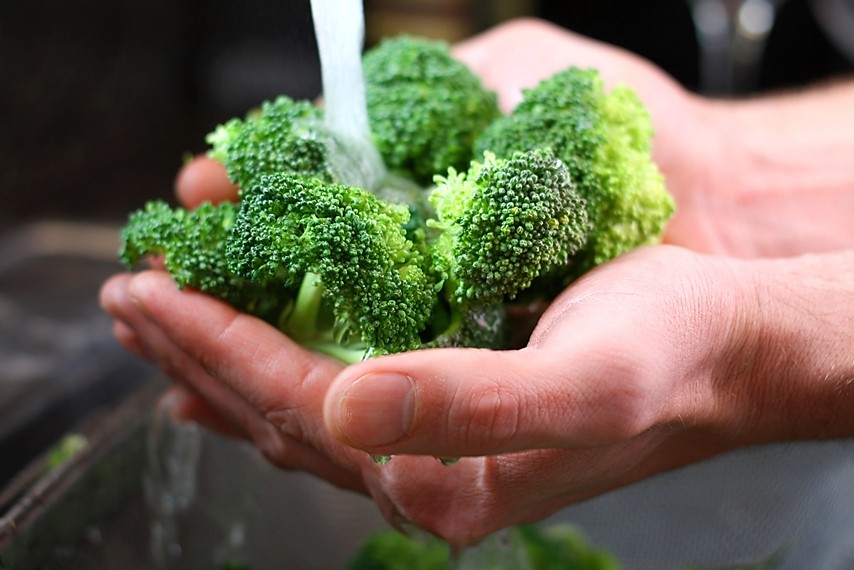
Eating well and staying hydrated tend to go hand in hand. This series looks at everyday foods with high water content or strong nutritional value – all which lead to simple choices that help support healthier food choices without overcomplicating your dietary path. While fresh vegetables can contribute to overall fluid intake, they work best alongside consistent access to drinking water, whether that’s from reliable mains fed water coolers or a water cooler. Good food and good hydration are straightforward habits – and often the easiest ones to maintain.
Broccoli might not win any pretty veggie awards but it’s dependable. Rich in fibre, vitamin C and vitamin K and containing a notable amount of water, it earns its place on the plate far more often than it gets credit for.
Small Vegetable, Strong Nutritional Profile
Broccoli is one of those foods that packs in more than expected. Alongside fibre that helps support digestion and keeps you fuller for longer, it also contains antioxidants and plant compounds linked to supporting normal cell health.
One of those compounds is sulforaphane, naturally found in broccoli and often highlighted for its antioxidant properties. Raw broccoli tends to retain more vitamin C and certain nutrients than heavily cooked broccoli, which is why many people mix up how they eat it rather than sticking to one method.
More Ways to Eat It Than You Think
Broccoli is easy to build into everyday meals with very little effort. It can be:
- Steamed and served as a side
- Roasted for extra flavour
- Added to stir-fries and pasta dishes
- Broccoli soup or mixed into soups
- Eaten raw with dips or in salads
Raw broccoli has a firmer crunch and slightly sharper taste, though it can feel a little heavy on the stomach for some people. Light steaming softens the texture while still retaining much of its nutritional value.
Hydration Remains a Priority
Although broccoli doesn’t taste particularly watery, its water content still contributes modestly to hydration as part of a balanced diet. Like the rest of the food in this series, it works best alongside proper hydration rather than replacing it.
A balanced plate that includes vegetables like broccoli, paired with regular glasses of drinking water throughout the day, remains a simple and reliable combination – whether at home, at work, on site, at school or anywhere in between.
Sources
BBC Good Food – Broccoli Health Benefits
by Fern Shaw | Apr 27, 2026 | mains fed water cooler, water cooler, Water Coolers
Eating well and staying hydrated tend to go hand in hand.
This series looks at seasonal fruit with high water content or strong nutritional value – simple choices that support a healthier routine without making unnecessary radical dietary changes. While fresh, water rich fruit can contribute to overall fluid intake, it works best when we have consistent access to drinking water, whether that’s from a water cooler, bottle fed or mains fed water coolers in the office, workplace or wherever you’re located. Healthy food and good hydration are straightforward habits – and often the easiest ones to maintain.
This May, we’re talking tart: Rhubarb isn’t shy. One bite and you’ll know about it. Sharp, tangy and often eye-wateringly tart, it’s a fruit (well, usually treated as one) that may not be to everyone’s taste but it earns its place all the same.
Beneath that bold flavour, rhubarb contains a good amount of water, along with fibre and vitamin K. It’s light, refreshing in its own way and a useful addition to a balanced diet, even if it’s not something you’d snack on raw without pulling a face.
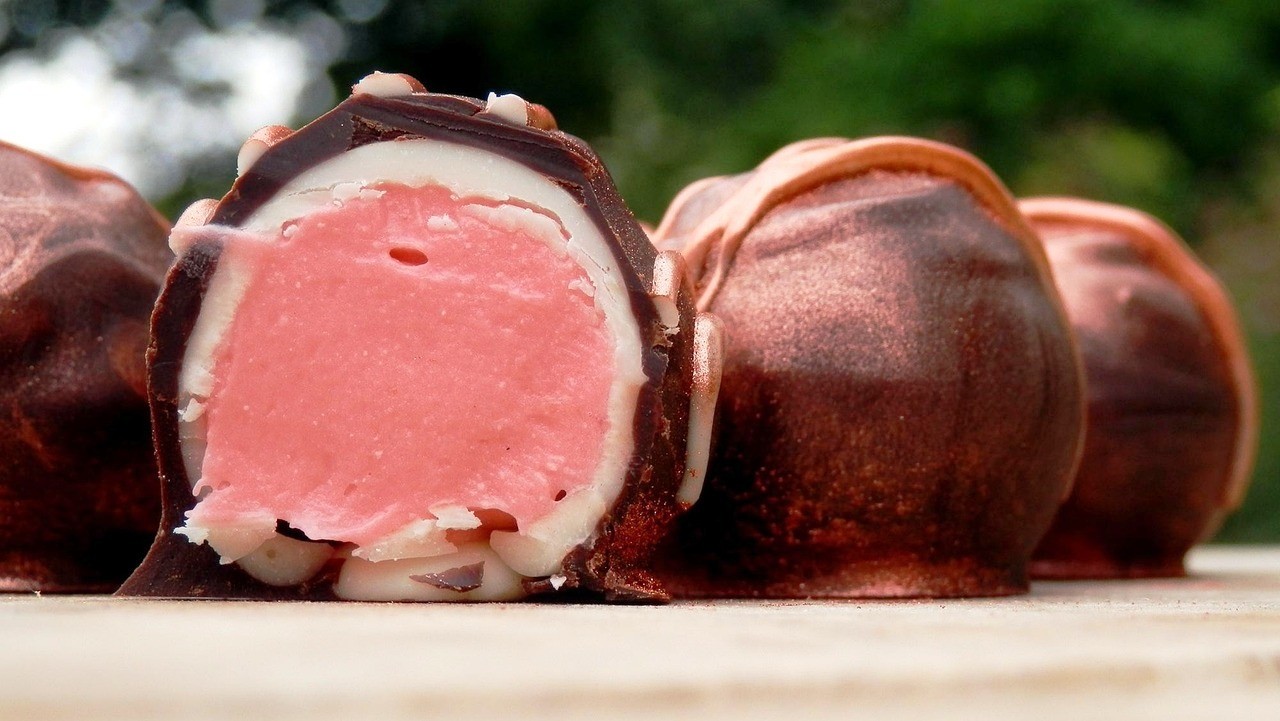
Because of its natural sharpness, rhubarb is often cooked or paired with other ingredients to soften the edge. It works well stewed, folded into yoghurt, or added to oats, where its tartness balances out sweeter flavours rather than overpowering them. Or as we recently discovered, in the rather less healthy guise that are rhubarb chocolate truffles.
Its water content means it can contribute, in a small way, to overall hydration. But like most fresh fruit, it plays a supporting role rather than the main event.
Rhubarb may not be everyone’s first choice and that’s fair enough. It’s not trying to be easy-going. But for those who enjoy something a little sharper, it offers a refreshing change from sweeter options.
As ever, it works best alongside regular drinking water. A balanced approach – something tart on the plate and a steady glass of water alongside it – keeps things simple and keeps you properly hydrated.