
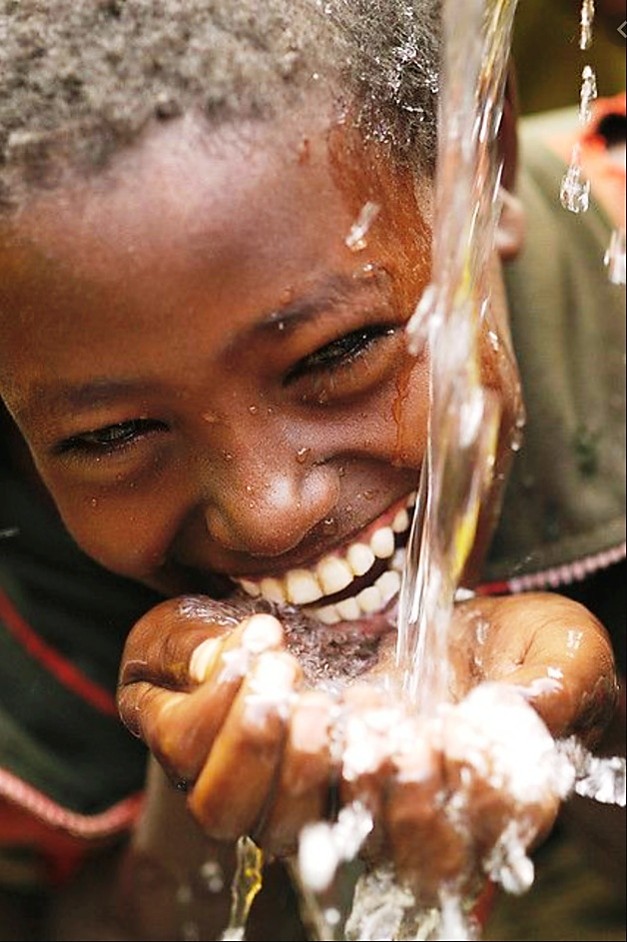
In a recent blog, we celebrated a significant milestone: AquAid Water Coolers has now donated an incredible £25 million to the charities we’ve supported since our humble beginnings in 1998.
It’s a remarkable achievement, but it also raises an interesting question: where does all that funding go and what does it help to achieve?
More than water: creating opportunities for the future
Charitable funding can support far more than the installation of a water pump or the construction of a well. From improving sanitation and supporting education to helping families grow food and generate an income, these initiatives create opportunities for communities to build more sustainable futures.
Building sustainable water resources
Access to safe, reliable water is often the starting point for positive change in communities facing challenging living conditions.
Through organisations such as the AquAid founded The Africa Trust, funding helps provide essential resources, including durable water wells, hygienic toilets and practical training. But the support goes much further than simply bringing water closer to home.
The Africa Trust believes that one of the most effective ways to break the cycle of poverty is to empower communities to support themselves. Its work has included helping to fund orphanages, improve clinics, pay school fees and provide skills training, giving thousands of children and adults greater opportunities to improve their circumstances.
Access to clean, productive water and decent sanitation is an important part of this approach. By combining essential infrastructure with education and practical skills, communities are better equipped to manage their own resources and build towards a more secure future.
Growing bananas helps towards school fees
A single water well can create opportunities that extend far beyond access to drinking water.
Take the installation of an Elephant Pump, for example. These robust water pumps provide a reliable source of water for entire communities, reducing the need for children to spend hours walking long distances to collect it.
That extra time gives children more opportunity to attend school and concentrate on their education.
A reliable water supply also creates opportunities to grow food and generate an income. Families can plant and irrigate banana plants, harvest the fruit and sell it at local markets. The money raised can then go towards essential expenses, including school fees.
It’s a simple but effective example of how access to water can support education, food production and greater financial independence, all at the same time.
A bag of cement can help prevent disease
Clean water is essential, but good sanitation is just as important when it comes to protecting community health.
Without access to proper toilets, people are at greater risk of contracting serious waterborne diseases, such as cholera and dysentery.
One practical initiative helps address this by providing households with a bag of cement, alongside guidance on how to build their own hygienic toilet facilities.
This relatively straightforward approach gives families the materials and knowledge needed to improve sanitation in their homes. Better toilet facilities help prevent human waste from contaminating the surrounding environment and water sources, reducing the risk of potentially life-threatening diseases.
It’s another example of how relatively simple resources, combined with practical knowledge, can help communities make lasting improvements to everyday living conditions.
Harnessing the sun to grow more food
Reliable water supplies are also essential for agriculture, particularly for small-scale farmers who depend on their crops to feed their families and earn a living.
Unpredictable rainfall and increasingly challenging growing conditions can make farming difficult. Without reliable irrigation, crops may fail, leaving households struggling to afford everyday essentials.
Solar-powered water pumps offer a practical solution.
Using energy from the sun to draw and distribute water, these systems provide a more dependable way to irrigate farmland, helping farmers grow crops even when rainfall is limited.
Alongside improved irrigation, projects can introduce conservation agriculture techniques and encourage farmers to diversify the crops they grow, including varieties better suited to drier conditions.
These systems can also support access to safe household water, extending the benefits beyond the fields.
For farming families, a more reliable water supply can mean healthier crops, more consistent harvests and a better opportunity to provide for their households.
£25 million and counting
Reaching £25 million in charitable donations is a milestone worth celebrating but behind that figure are countless individual stories of opportunity and progress.
From children able to attend school instead of spending hours collecting water, to families growing and selling crops and communities building safer sanitation facilities, the funding helps turn essential resources into practical, lasting improvements.
Every project is different, but the underlying goal remains the same: helping communities access the resources, knowledge and opportunities they need to build a healthier, more sustainable future.
