by Fern Shaw | Nov 2, 2026 | Charity, water cooler, Water Coolers
In a recent blog, we celebrated a significant milestone: AquAid Water Coolers has now donated an incredible £25 million to the charities we’ve supported since our humble beginnings in 1998.
It’s a remarkable achievement, but it also raises an interesting question: where does all that funding go and what does it help to achieve?
More than water: creating opportunities for the future
Charitable funding can support far more than the installation of a water pump or the construction of a well. From improving sanitation and supporting education to helping families grow food and generate an income, these initiatives create opportunities for communities to build more sustainable futures.
Building sustainable water resources
Access to safe, reliable water is often the starting point for positive change in communities facing challenging living conditions.
Through organisations such as the AquAid founded The Africa Trust, funding helps provide essential resources, including durable water wells, hygienic toilets and practical training. But the support goes much further than simply bringing water closer to home.
The Africa Trust believes that one of the most effective ways to break the cycle of poverty is to empower communities to support themselves. Its work has included helping to fund orphanages, improve clinics, pay school fees and provide skills training, giving thousands of children and adults greater opportunities to improve their circumstances.
Access to clean, productive water and decent sanitation is an important part of this approach. By combining essential infrastructure with education and practical skills, communities are better equipped to manage their own resources and build towards a more secure future.
Growing bananas helps towards school fees
A single water well can create opportunities that extend far beyond access to drinking water.
Take the installation of an Elephant Pump, for example. These robust water pumps provide a reliable source of water for entire communities, reducing the need for children to spend hours walking long distances to collect it.
That extra time gives children more opportunity to attend school and concentrate on their education.
A reliable water supply also creates opportunities to grow food and generate an income. Families can plant and irrigate banana plants, harvest the fruit and sell it at local markets. The money raised can then go towards essential expenses, including school fees.
It’s a simple but effective example of how access to water can support education, food production and greater financial independence, all at the same time.
A bag of cement can help prevent disease
Clean water is essential, but good sanitation is just as important when it comes to protecting community health.
Without access to proper toilets, people are at greater risk of contracting serious waterborne diseases, such as cholera and dysentery.
One practical initiative helps address this by providing households with a bag of cement, alongside guidance on how to build their own hygienic toilet facilities.
This relatively straightforward approach gives families the materials and knowledge needed to improve sanitation in their homes. Better toilet facilities help prevent human waste from contaminating the surrounding environment and water sources, reducing the risk of potentially life-threatening diseases.
It’s another example of how relatively simple resources, combined with practical knowledge, can help communities make lasting improvements to everyday living conditions.
Harnessing the sun to grow more food
Reliable water supplies are also essential for agriculture, particularly for small-scale farmers who depend on their crops to feed their families and earn a living.
Unpredictable rainfall and increasingly challenging growing conditions can make farming difficult. Without reliable irrigation, crops may fail, leaving households struggling to afford everyday essentials.
Solar-powered water pumps offer a practical solution.
Using energy from the sun to draw and distribute water, these systems provide a more dependable way to irrigate farmland, helping farmers grow crops even when rainfall is limited.
Alongside improved irrigation, projects can introduce conservation agriculture techniques and encourage farmers to diversify the crops they grow, including varieties better suited to drier conditions.
These systems can also support access to safe household water, extending the benefits beyond the fields.
For farming families, a more reliable water supply can mean healthier crops, more consistent harvests and a better opportunity to provide for their households.
£25 million and counting
Reaching £25 million in charitable donations is a milestone worth celebrating but behind that figure are countless individual stories of opportunity and progress.
From children able to attend school instead of spending hours collecting water, to families growing and selling crops and communities building safer sanitation facilities, the funding helps turn essential resources into practical, lasting improvements.
Every project is different, but the underlying goal remains the same: helping communities access the resources, knowledge and opportunities they need to build a healthier, more sustainable future.

by Fern Shaw | Feb 10, 2025 | aquaid, Charity, Christian Aid, water cooler, Water Coolers
World Pulses Day
Since its inception in 2019, the 10th of February every year commemorates World Pulses Day. A few facts about pulses:
The Food and Agriculture Organization of the UN recognizes eleven different types of pulses: dry beans, dry broad beans, dry peas, chickpeas, cow peas, pigeon peas, lentils, Bambara beans, vetches, lupins and pulses nes (other minor types of pulses that don’t fit within the other categories).
Pulses are highly sustainable and climate-resilient crops. They require relatively low amounts of water compared to other protein sources and can grow on marginal land. They also help increase soil fertility by fixing nitrogen, making them a crucial element in crop rotation practices.*
World Pulses Day History
World Pulses Day serves as a global celebration of the nutritional and environmental benefits that pulses offer. Recognising the vital role these protein-rich legumes play in promoting sustainable agriculture and addressing important issues such as food security, nutrition and climate change, World Pulses Day has seen an outpouring of support from governments, farmers, researchers and consumers alike, working collaboratively to ensure pulses become a staple part of diets on a global scale.
World Pulses Day provides an opportunity for the international community to celebrate the importance of pulses in ensuring a sustainable and healthy future.*
Christian Aid
From Christian Aid, “For thousands of farming families in Malawi, pigeon peas are a route out of poverty. The mighty pigeon pea is drought-resistant, so it thrives in the dry fields of southern Malawi. It’s an essential part of the diet of millions of people around the world.
Together with our partners, we empower vulnerable communities to find practical and sustainable ways out of poverty, including giving them the skills to:
- Form cooperatives to improve their access to markets and secure a fairer price for their crops.
- Set up savings and loans to start their own businesses
- Boost the quality of their seeds and restore soil fertility
- Build warehouses to keep their crops safe from floods and cyclones, compete against large-scale producers, and gain new markets
- Promote pigeon pea recipes to increase consumption in Malawi and prevent hunger.”
AquAid
Thanks to the support of AquAid customers, together we have funded projects in Malawi that have helped over 3,300 pigeon pea farming households by reducing income poverty.
By choosing AquAid as your water cooler provider, you are helping people living in poverty globally to access clean water and build healthy lives. AquAid has supported Christian Aid for more than 15 years, donating over £4 million to water and capacity-building projects around the world.
*source: WinCalendar – World Pulses Day
by Fern Shaw | Sep 5, 2022 | aquaid, Charity, Christian Aid, water cooler, Water Coolers
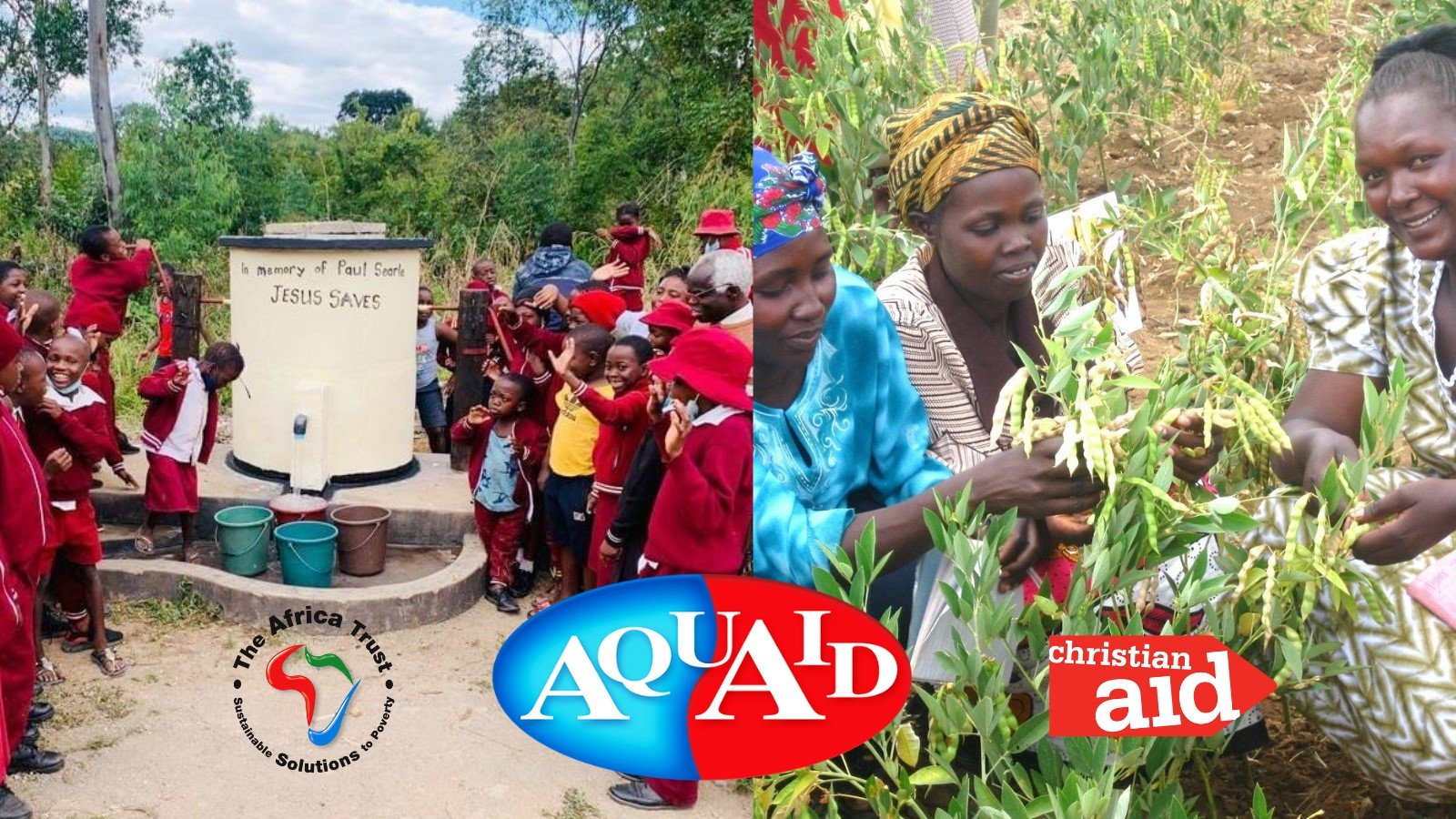
Today is the International Day of Charity. As an organisation, AquAid, with our focus on giving back since our inception in 1998, acknowledging this day is immensely significant.
For over twenty-two years, AquAid has donated a portion of revenue to charities, predominantly to both Christian Aid and The Africa Trust.
Founded in 1941, the mission of Christian Aid is to eradicate the causes of poverty, striving to achieve equality, dignity and freedom for all, regardless of faith or nationality. AquAid have supported Christian Aid for more than twenty years, donating over £3.7 million to water and capacity building projects around the world.
Since its formation in 2010, The Africa Trust has worked tirelessly to create sustainable solutions that include establishing supplies of clean, productive drinking water and decent sanitation to thousands of communities in water scarce regions across Africa. Wealth creation is another important objective, with business skills training helping school leavers and villagers to start or expand profitable businesses.
This year’s International Day of Charity resonates even more so with all of us at AquAid as the company has recently reached donations exceeding £19 million. This amount has enabled us to provide life-changing assistance to more than 3 million people around the globe and predominantly throughout Africa.
We would like to dedicate this achievement to Paul Searle, AquAid’s Founder, Managing Director and Chairman, whose faith and unquenchable spirit was the driving force that kept AquAid growing and expanding for over two decades, all while never losing sight of the importance of contributing to charity.
Should you too wish to partner with AquAid in this continuing commitment to charity while keeping your organisation hydrated, please contact us – we will be happy to assist.
by Fern Shaw | Jul 6, 2022 | aquaid tyne wear, Charity, Christian Aid, water cooler, Water Coolers
By Fern Shaw
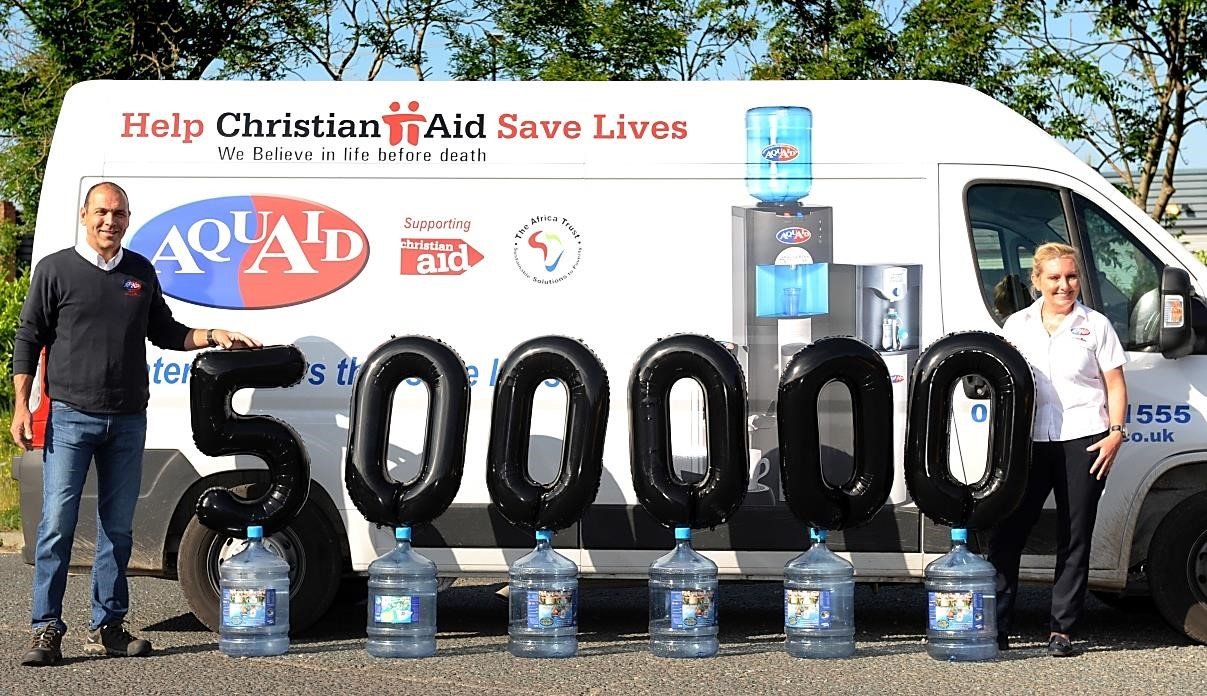
AquAid Tyne & Wear, operating since 2002, this year celebrates twenty years in the provision of an extensive range of innovative and high-quality water coolers and dispensers, along with a total commitment to offering superior services to their 2,000 customers.
Reaching this 20-year anniversary holds more than one reason for celebration though – it also marks an incredible achievement with the branch donating just under £500,000 to the charities AquAid have supported since our inception in 1998.
In view of this remarkable achievement, we spoke to Gordon and Emir Dobson, who own and operate AquAid Tyne & Wear and asked for their comment.
“We are absolutely delighted that our donations have reached this level: these small contributions we know have made a big difference to those who need it.
Here’s to the next £500,000!” ~ Emir Dobson, Owner Director – AquAid Tyne & Wear
Extracts below are from a letter to Emir and Gordon written by Ian Thorpe, CEO of The Africa Trust, in recognition of this milestone.
“Many congratulations as you approach your twentieth anniversary for the Tyne and Wear franchise of AquAid. I was astonished to learn that your franchise alone has raised such an extraordinary amount of money for charity during the last two decades. With a current donation figure of £487,915 I have no doubt that during your anniversary year, you will achieve the tremendous milestone of over half a million pounds raised.
Thank you for the part you and your colleagues at AquAid Tyne &Wear are playing in lifting people out of poverty to live healthier and more productive lives.
You have also raised over £240k for Christian Aid, and during the last three years alone, 3,321 people in Malawi have received entrepreneurial training (at a cost of £12 each) and assistance to start small businesses.“ ~ Ian Thorpe, Chief Executive – The Africa Trust
Should you too like to play a part in this phenomenal, philanthropic movement simply by keeping yourself and your company, organisation or school hydrated, contact AquAid today.
by Fern Shaw | Nov 29, 2021 | Charity, water cooler
‘And now abideth faith, hope, charity, these three; but the greatest of these is charity’
We are extraordinarily proud of our AquAid team, their hard work and commitment in providing their best to our customers. In turn, our customers’ support contributes immeasurably towards our ability to continue to donate to charities that implement life-changing clean water resources for people in need.
It is therefore, with much humility, we thank every single member of the AquAid team who continue to make sure that our customers: from remote working, cubbyhole home offices through to frontline medical facilities, frontline workers, schools, colleges and unis, to small, medium and large corporations, have had access to refreshing drinking water, whatever the work situation, wherever the location.
And thank you to all our customers, established and new, who continue their valued custom of our services, with whom we hope to continue a longstanding business relationship as your preferred drinking water, water dispenser and water cooler supplier.
As we head towards the close of another year, we begin to reflect on what the year held for us, highs, lows and in-between. All of which is why this announcement is certainly a high:
It is thanks to all, AquAid and customers alike, we are delighted to announce that as of October this year, we have passed the threshold of £18 million in donations to charity.
If you would like to know how you, too, can remaining refreshed and hydrated, all while contributing charitable donations, simply by partnering with us at AquAid, do get in contact. We are here to assist.
by Fern Shaw | Jun 4, 2018 | Africa Trust, aquaid, Charity, Water Coolers
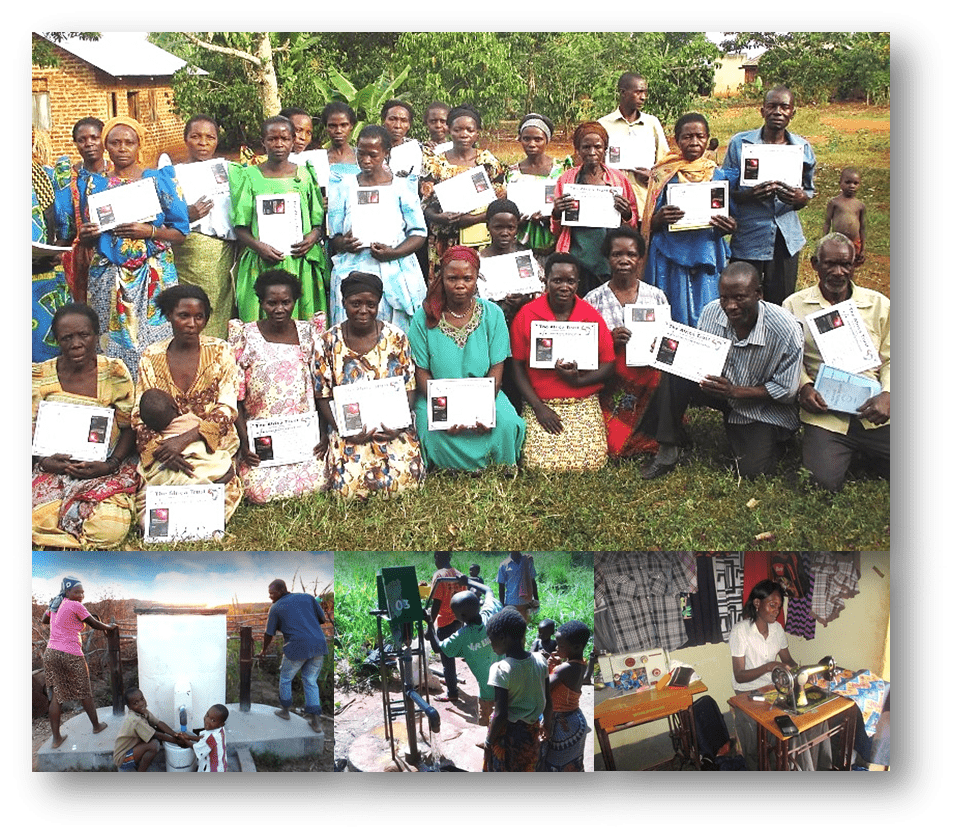
Begun in 2010, the Africa Trust is an AquAid founded charity that works on the principles of wealth creation and sustainable solutions to poverty.
Since our rather humble beginnings in 1998 as a home water cooler supplier, until now, as one of the UK’s leading water cooler suppliers, helping people in need has always been an integral aspect of the AquAid ethos.
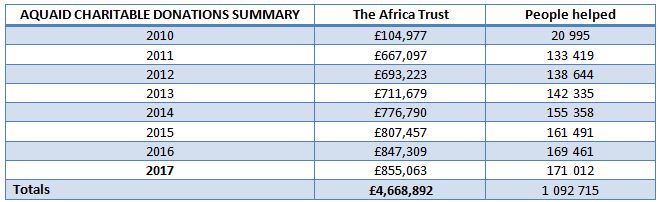
Now, in our 20th year of operations, we look back at the annual milestones that evidence the successes of our commitment to charity.
2017 IN REVIEW:
The total number of beneficiaries at the start of 2017 was 2,192,435 and 209,908 new beneficiaries were added by the end of the year. A total of 683 new pumps were installed in 2017 compared to 607 in 2016. Most of these pumps were installed in Zimbabwe with five pumps built in Tanzania and one built in Kenya.
The Africa Trust’s Elephant Pump programme is having a major positive impact on the lives of over a million Zimbabweans who collect clean drinking water and water for productive use every day. Aside from 683 new pumps installed last year, the Africa Trust continues to implement sustainable wealth creation projects. Examples are an income generating farm project which now provides a sustained and growing income stream that helps towards the cost of emergency relief. A dairy project and the bananas for fees projects continue to grow with 510 new beneficiaries added.
The Africa Trust also implements wealth creation and sustainable relief projects in:
Kenya: A business skills training programme continues to grow. One such new business started under the programme (a maize mill) now employs over a dozen HIV+ widows who would otherwise have been in desperate poverty following their husbands’ deaths due to AIDS.
Liberia: Positive feedback received about the pumps and toilets installed in previous years. A school was helped to become self-sufficient by starting a project to raise ducks and chickens.
Mozambique: The ‘Baby’ Elephant Pumps installed for use by smaller family communities are doing well.
Tanzania: Elephant Pumps; Elephant Toilets; Business Skills Training.
Uganda: Business skills training; job creation; retirement planning (thus helping break the cycle of poverty).
Contact us at AquAid to find out how becoming an AquAid customer equates to ensuring sustainable solutions to poverty and the provision of safe drinking water to those who need it most.