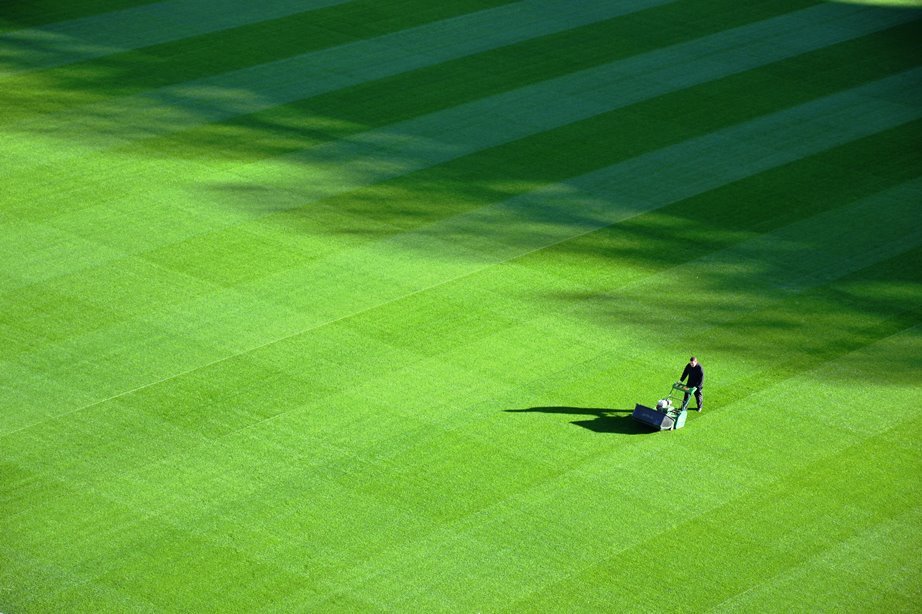
If this image starts your nose itching instead of being able to simply admire the precision mowed grass, it’s quite likely you’re one of an estimated 10 million people in the UK who suffers with hay fever.
With spring already here (officially arriving in the UK on 20 March) it usually brings with it a soaring pollen count.
There are 3 pollen seasons in the UK and each has a different source: tree pollen, released during spring; grass pollen, released during the end of spring and beginning of summer and weed pollen, released late autumn.
Hay fever (or seasonal allergic rhinitis), occurs when your body makes the mistake of treating the tree pollen, or pollen from shrubs, as a harmful organism, and the immune system goes into action by making antibodies to try to prevent it spreading. This can trigger a runny nose, itchy watery eyes and coughing, sneezing and sniffling – common allergy symptoms.
How can drinking water possibly help reduce my hay fever?
Usually the first thing a hay fever sufferer does is reach for the anti-histamines, which makes sense, however, as your body has gone into overdrive producing a ‘liquid’ reaction – runny nose, watery eyes, constant sniffling and sneezing – you can dehydrate through this additional loss of fluid. This coupled with the fact that anti-histamines tend to dry you up which can also lead to your dehydrating at a faster than usual speed. That’s the one aspect to consider.
The other aspect is that according to some studies, a lack of water causes you to produce more histamine, a protein that regulates water in the body and stimulates your thirst response. Histamine also plays a role in the body’s response to pollen. When you breathe in pollen, your body releases histamine, which is a main cause of allergy symptoms. Ergo, If you’re thirsty, you have more histamine being released which may make your symptoms stronger and last longer.
There is also information gleaned from a 2013 study found that dehydrated individuals produced less allergy-blocking antibodies. With less of these antibodies, your body releases more histamine. Both of these contribute to more frequent and more intense allergy outbursts.
There’s more than one win here though – if you maintain good hydration habits, with frequent water refills from your water cooler in your workplace, as well as ensuring you carry drinking water with you when you’re out and about, not only will your general well-being increase but you may also be able to easier reduce your allergic reaction during the pollen seasons every year.
How does drinking water help with hay fever symptoms?
Drinking water can assist in managing hay fever symptoms by keeping your body hydrated. When you experience symptoms like a runny nose or watery eyes, your body loses fluid, and dehydration can worsen these symptoms. Staying hydrated helps to maintain the balance of fluids in your body, which can reduce the severity of your symptoms.
Moreover, hydration plays a role in controlling histamine levels, which are responsible for allergy symptoms. When you're dehydrated, your body may produce more histamine, exacerbating your symptoms. Therefore, regular water intake can help manage histamine production and potentially alleviate hay fever discomfort.
Can dehydration make hay fever symptoms worse?
Dehydration can indeed worsen hay fever symptoms. When your body is dehydrated, it may produce more histamine, a chemical that triggers allergy symptoms like sneezing and itching. This increased histamine production can intensify your allergic reactions and make symptoms last longer.
Additionally, dehydration can also reduce the production of allergy-blocking antibodies, further aggravating your symptoms. Therefore, maintaining proper hydration is crucial in managing hay fever, as it helps regulate histamine levels and supports your body's natural defences against allergens.
Why is it important to stay hydrated during pollen season?
Staying hydrated during pollen season is important because it helps manage the body's response to allergens. Hydration supports the regulation of histamine, a protein involved in allergy symptoms. When you're well-hydrated, your body is less likely to produce excessive histamine, which can reduce the intensity of symptoms like sneezing and itchy eyes.
Moreover, hydration aids in maintaining overall health and can prevent the dehydration that often accompanies allergy symptoms. By drinking enough water, you ensure your body can effectively combat allergens, potentially reducing the severity and duration of hay fever symptoms.
How does water intake affect histamine levels related to hay fever?
Water intake can significantly influence histamine levels in the body, which are closely linked to hay fever symptoms. When the body is dehydrated, it tends to produce more histamine, which can exacerbate allergy symptoms like runny noses and itchy eyes. Consuming adequate water helps maintain a balance, potentially reducing these symptoms.
Histamine is a key player in the body's allergic response, and its regulation is crucial for managing allergies. By staying hydrated, you help your body keep histamine levels in check, which can lessen the frequency and severity of hay fever episodes.
What are some tips for staying hydrated to manage hay fever?
To stay hydrated and manage hay fever effectively, it's important to drink water consistently throughout the day. Keep a bottle of water with you at all times, whether you're at work or on the go, to ensure regular intake. Using a water cooler at your workplace can also encourage frequent refills and help maintain hydration.
Additionally, be mindful of factors that can lead to dehydration, such as consuming caffeine or alcohol, which can have diuretic effects. Balancing these with water can aid in maintaining hydration levels. By prioritising hydration, you can better manage your body's response to pollen and reduce the impact of hay fever symptoms.
Can drinking water replace antihistamines for hay fever relief?
While drinking water is beneficial for managing hay fever symptoms, it is not a replacement for antihistamines. Water helps maintain hydration and can reduce the severity of symptoms by regulating histamine levels, but antihistamines are specifically designed to block the effects of histamine and provide more immediate relief.
However, combining good hydration practices with antihistamine use can enhance overall symptom management. Staying hydrated supports your body's natural defences and can complement the effects of antihistamines, potentially leading to more effective relief during pollen seasons.
