by Fern Shaw | Oct 27, 2026 | Christian Aid, water cooler, Water Coolers
If the maths isn’t mathing, allow us to explain. Twenty twenty-six has been quite a year. Not least because, at AquAid, we’ve passed two £1 million milestones in the same year, moving from £24 million to £25 million in charitable donations.
Yes, you read that correctly – at the time of writing, we’ve officially topped £25 million donated to charity.
Charity – all from drinking water
For more than 25 years (in this, our 28th year of operations, to be precise), AquAid has donated a portion of its revenue to charity. Through our charity partners, The Africa Trust and Christian Aid, this support helps fund sustainable water projects and has contributed to providing more than 4.5 million people with access to safe water.
Water dispensers that do more
Since 1998, AquAid’s provision of a wide range of quality water dispensers and bottled water deliveries has helped communities gain access to a reliable source of safe drinking water. What begins with an everyday essential extends far beyond the water cooler, helping fund projects that provide lasting benefits for communities.
Our customers – the backbone of our business
Of course, we think our customers are the best (because they are). It’s thanks to their continued support and valued custom that we can keep donating to charity. Every customer who chooses AquAid as their drinking water and water cooler supplier becomes part of that ongoing commitment, helping us support the work of our charity partners and the communities they serve.
Every drink tells part of the story
We’ll explore the whys and wherefores of where these funds go and what they help achieve in more detail in upcoming blogs. For now, suffice to say we’re delighted to have reached this milestone and are thrilled to be able to make this announcement.
Most importantly, this is a sincere thank you to our customers. Without you, this achievement simply wouldn’t have been possible.

by Fern Shaw | Sep 21, 2026 | water cooler, Water Coolers, water dispenser
Businesses rarely stand still for very long.
An office that once seemed spacious can suddenly feel rather cramped. A company moves into a larger premises, takes on another building or refurbishes the one it already has. A hotel adds new facilities. A university opens another teaching space. A construction project gets underway. A temporary site appears where there wasn’t one six months ago.
And while plenty of attention goes into desks, furniture, IT and everything else that needs moving, installing or reorganising, there’s another practical question that needs considering:
What happens to the drinking water?
The water cooler that was perfectly suited to a small office may not be quite so well suited once the workforce has doubled. A dispenser that worked in one corner of a building might no longer be in the right place after a refurbishment. And a permanent installation isn’t necessarily the answer when a business needs drinking water somewhere for a few weeks or months.
In other words, the water provision that made perfect sense two years ago may not make quite as much sense today.
Businesses change. Water provision can change with them.
There’s no single definition of a workplace these days.
A business might have a traditional office, a warehouse, several retail locations and a head office. A hotel might have guest areas, conference facilities and staff spaces. A university can have lecture theatres, libraries, sports facilities and administrative buildings spread across a large campus.
Then there are the less permanent arrangements: temporary offices, events, refurbishment projects and job sites that exist for a particular purpose and a particular length of time.
Each has its own demands.
That’s where having different options becomes useful. A business might choose to purchase a water cooler for a permanent location, while water cooler rental could make more sense for a temporary or changing requirement. A mains-fed water cooler may suit one part of a building, while bottled water coolers are a more practical option elsewhere.
Sometimes it’s simply a matter of putting the right equipment in the right place.
The move itself is only part of the story
Moving into a new building is a good opportunity to look at what is actually needed rather than automatically recreating what was there before.
Perhaps there are now more people using the building. Perhaps there are several floors instead of one. Perhaps the staff kitchen has moved, the reception area is busier or a previously unused space has become a meeting area.
Even the position of a water dispenser can make a difference to how useful it is.
The same applies when a business isn’t moving at all. A refurbishment, expansion or change in how a building is used can be enough to make existing arrangements worth reconsidering.
And sometimes the change is temporary.
A company may need additional water coolers while work is being conducted on its main premises. A theatre may require extra provision during a production. A construction project will have different requirements as the site develops. An event may need bottled drinking water brought in for a defined period.
Not every requirement needs to become a permanent fixture.
There’s no rule saying it has to stay the same
Perhaps that’s the simplest way of looking at it.
Your business has changed. Your building has changed. The way people use that building has changed.
So why shouldn’t the way you provide drinking water change too?
Whether that means installing a new water cooler, moving existing equipment, adding temporary cooler placements, arranging bottled water delivery or switching from one type of dispenser to another, the right solution is likely to depend on what the organisation actually needs now.
Because sometimes the most sensible thing to do with a water cooler is not to leave it exactly where it was.
Especially when everything else has moved on.

by Fern Shaw | Sep 14, 2026 | water cooler, Water Coolers, water dispenser
The British weather has many talents. Being predictable isn’t one of them.
One minute it’s sunny enough for sunglasses and the next you’re wondering where you left your jumper. As we head towards autumn the days may still be pleasantly mild but it’s also the time of year when thoughts turn from keeping everyone supplied with chilled drinking water to considering what happens when demand for hot water starts picking up again.
And there’s another seasonal change worth thinking about: schools are back.
From Chilled to Steaming Hot
A water dispenser doesn’t necessarily have to be about keeping things cold. As the seasons change so can the way people use their drinking water facilities.
A hot water boiler can be particularly useful as demand for hot drinks picks up. Rather than waiting for hot water to be heated when it’s needed, a mains-fed boiler provides hot water ready when required.
For larger workplaces or busy environments that can make a noticeable difference to the morning tea and coffee queue. And let’s be honest, when autumn arrives the queue can become surprisingly long.
Meanwhile, Back at School …
As schools return, classrooms, staff rooms, sports halls and canteens are busy again.
For schools the requirement is slightly different. It’s not just about having drinking water available. It’s about making it easy for pupils and staff to refill bottles and reach for water throughout a busy school day.
AquAid’s school hydration solutions include a range of drinking fountains and bottle-filling options designed with the school environment in mind. They can be installed indoors or outdoors depending on the requirements of the site with features designed to make everyday use straightforward.
So, while the weather forecast may be making its usual attempt to keep everyone guessing there’s a little more certainty when it comes to planning your water provision.
Now is a good time to look at what people need today and what they’re likely to need as the seasons change.
Because whether it’s a school welcoming back pupils or a workplace heading towards the cooler months a well-chosen water solution should be ready for whatever the weather decides to throw at us.
by Fern Shaw | Aug 11, 2026 | water cooler, Water Coolers
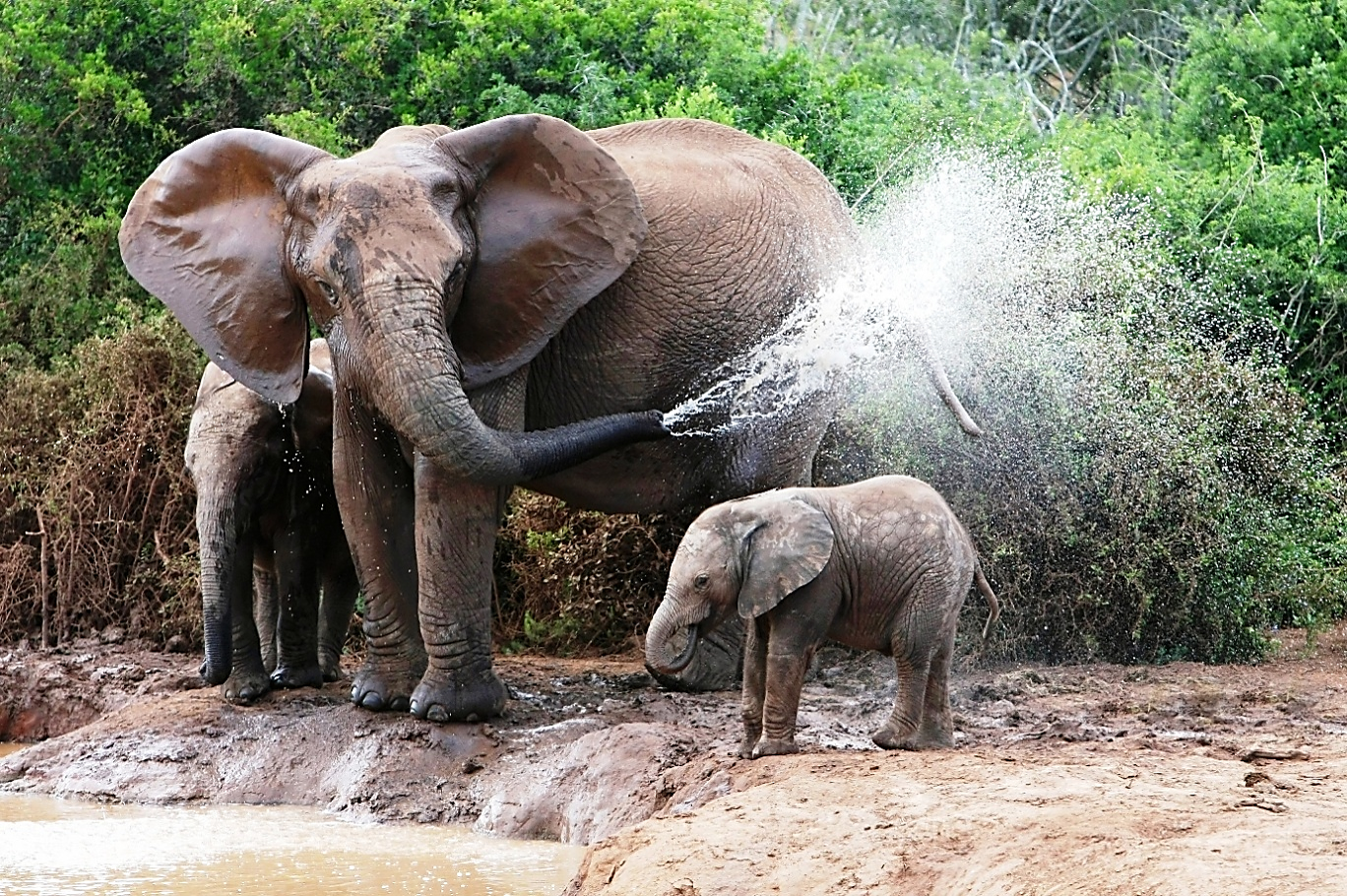
When someone mentions an elephant, what’s the first thing that springs to mind?
Perhaps it’s their extraordinary size, their ears, their trunks or their extraordinary intelligence. Whatever the answer, one thing is certain – elephants have fascinated us for centuries.
This World Elephant Day, it’s worth taking a moment to appreciate these magnificent animals and the vital role they play in the natural world.
If there’s one thing elephants don’t do by halves, it’s drinking water. An adult elephant can consume between 95 and 190 litres every day and its trunk can hold around 10 litres at a time. Water isn’t simply something they enjoy – it’s essential to their survival and to the habitats they help sustain.
That makes them surprisingly fitting companions to what we do every day. While AquAid specialises in supplying fresh drinking water through workplace water coolers and water dispensers, our charitable giving helps support something rather different.
For many years, donations made to The Africa Trust have helped fund the installation of more than 10,000 Elephant Pumps across Africa.
No, they’re not quite as majestic as the animals that inspired their name and unfortunately, we can’t install either elephants or Elephant Pumps in your office! But the pumps do share a few impressive qualities with their namesakes – one in particular being longevity. Built to last for decades, these robust hand pumps provide reliable access to clean, safe drinking water for thousands of communities, helping transform everyday life one water well at a time.
Just as elephants are known as keystone species because they help shape and support the ecosystems around them, access to clean water helps communities flourish. Children spend less time collecting water, families enjoy healthier lives and opportunities begin to grow.
Sadly, elephants themselves face an uncertain future. African savannah elephants are endangered; African forest elephants are critically endangered and fewer than 50,000 Asian elephants remain in the wild. Protecting these remarkable animals also means protecting the habitats and water sources they depend upon.
So, whether you’re refilling your bottle at the office water cooler or simply pausing for a refreshing drink during the working day, spare a thought for one of nature’s true giants. We may never match an elephant’s thirst but we can all appreciate the importance of a reliable source of fresh drinking water.
Sources
World Elephant Day – Elephant Facts
The Africa Trust
by Fern Shaw | Aug 3, 2026 | Water, water cooler, Water Coolers
Some blog ideas come together instantly. Others require careful consideration. This one was a bit of a toss-up.
Yorkshire Day? International India Pale Ale Day? International Beer Day? How do you choose?
Then a novel idea struck. Why choose at all?
So, we’ve gone with all three into one blog. Reason being 1) it makes things a little more interesting and 2) if one topic falls flat (I’m looking in your direction, ale and beer), you’ll have another ready to rescue your next water cooler conversation. And while you’re topping up your water bottle or refilling your water glass, you might even learn something new. Bonus.
So, without further ado, let’s begin.
With so many themed days packed into the start of August, you’re spoilt for choice. There’s also Play Day, but we’ve already covered that one in a previous blog.
Yorkshire Day
If there’s one county that knows how to celebrate itself, it’s Yorkshire.
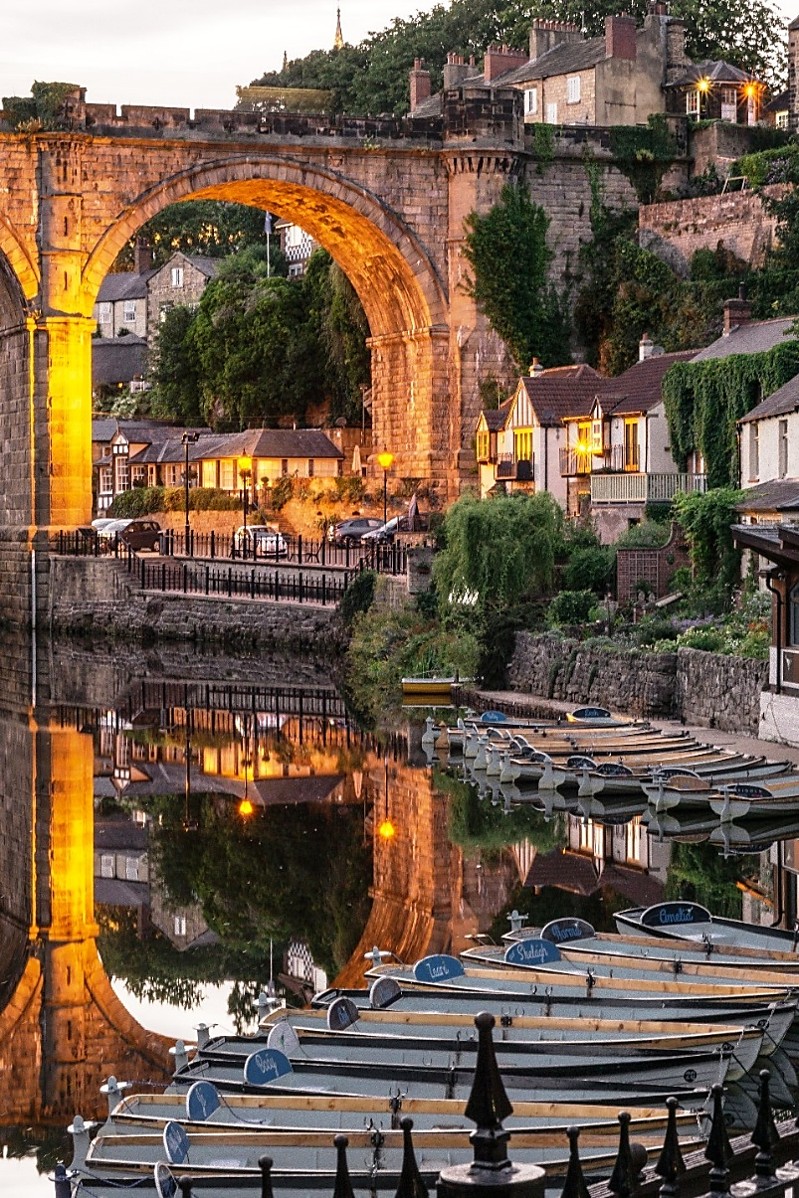
Held every beginning August, Yorkshire Day celebrates the history, culture and traditions of England’s largest historic county. Towns and cities across the region host civic events, parades, concerts and community celebrations, with a different location taking centre stage each year.
It’s a day filled with local pride, good humour and a healthy dose of Yorkshire spirit (or ale and beer).
International India Pale Ale Day
If your drink of choice contains a little more malt than mineral water, this one’s for you.
International India Pale Ale Day was created to bring together brewers, craft beer enthusiasts and bloggers in appreciation of one of Britain’s most recognisable beer styles.
Despite the name, India Pale Ale has its roots in England. Brewers increased the amount of hops used in the beer because hops acted as a natural preservative, helping it survive the long sea voyage to India during the days of the British Empire.
Who knew a practical shipping solution would end up creating one of the world’s favourite beer styles?
International Beer Day
As if one beer celebration wasn’t enough, International Beer Day follows immediately afterwards.
Founded in 2007 in Santa Cruz, California, it quickly became a worldwide celebration and, since 2012, has been held on the first Friday in August.
Beer itself, however, is much older.
Archaeologists have discovered evidence of brewing dating back thousands of years, with recipes recorded on clay tablets from around 4300 BC and traces of beer found in pottery dating to approximately 3400 BC.
According to the organisers, there are three simple ways to celebrate:
- Get together with friends and enjoy a beer responsibly.
- Raise a glass to the brewers and servers who make it possible.
- Celebrate the incredible variety of beers enjoyed around the world.
Whether you’re raising a pint, celebrating Yorkshire or simply enjoying a refreshing glass of chilled water, there’s certainly no shortage of reasons to celebrate the start of August.
Sources
Yorkshire DayYorkshire Ridings Society
International India Pale Ale Day
International Beer Day
Encyclopaedia Britannica

by Fern Shaw | Jul 24, 2026 | water cooler, Water Coolers, water dispenser
Every year World Nature Conservation Day shines a spotlight on the natural world and the role we all play in looking after it. From forests and rivers to wildlife and freshwater sources, healthy ecosystems support clean water, productive farmland and thriving communities.
It is also a timely reminder that conservation isn’t just about protecting nature for the future. It’s about making sensible choices today, using resources responsibly, reducing unnecessary waste and helping preserve the places and habitats we all depend on.
Looking Beyond the Workplace
Businesses and organisations can often make a bigger contribution than they realise. Small operational changes, when repeated every day across hundreds or thousands of workplaces, soon add up.
That might include:
- Reducing single-use plastics where practical
- Recycling responsibly
- Improving energy efficiency
- Choosing products and suppliers with environmental responsibility in mind
- Encouraging staff to adopt greener habits at work
No single action will solve every environmental challenge, but adopting better everyday practices is a positive place to start.
At AquAid, environmental responsibility sits alongside providing a wide range of high-quality water dispensers and delivering fresh bottled water to more than 40,000 customers across the UK. Through the charities we support, every bottle of water delivered and every water cooler installed helps fund projects that provide potable and productive water to communities in need. Using proven, long-established solutions, these initiatives have benefitted millions of people by delivering safe drinking water, irrigation and opportunities for communities to build stronger futures.
Everyday Choices Count
You don’t need to organise a major conservation project to support World Nature Conservation Day. Many of the most worthwhile actions fit easily into everyday life.
You could:
- Carry a reusable water bottle when you’re out and about
- Reduce unnecessary plastic waste
- Walk, cycle or share journeys where possible
- Switch off lights and electrical equipment when they’re not needed
- Join a local litter pick or community clean-up
- Support conservation groups or local wildlife initiatives
Individually these actions may seem modest, but when adopted by families, workplaces and communities, they contribute to healthier environments for everyone.
World Nature Conservation Day is a reminder that protecting natural resources is a shared responsibility. Whether it’s making thoughtful choices at home, encouraging positive habits at work or supporting projects that bring safe, reliable water to communities in need, every step helps build a healthier future for nature and the people who depend on it.