
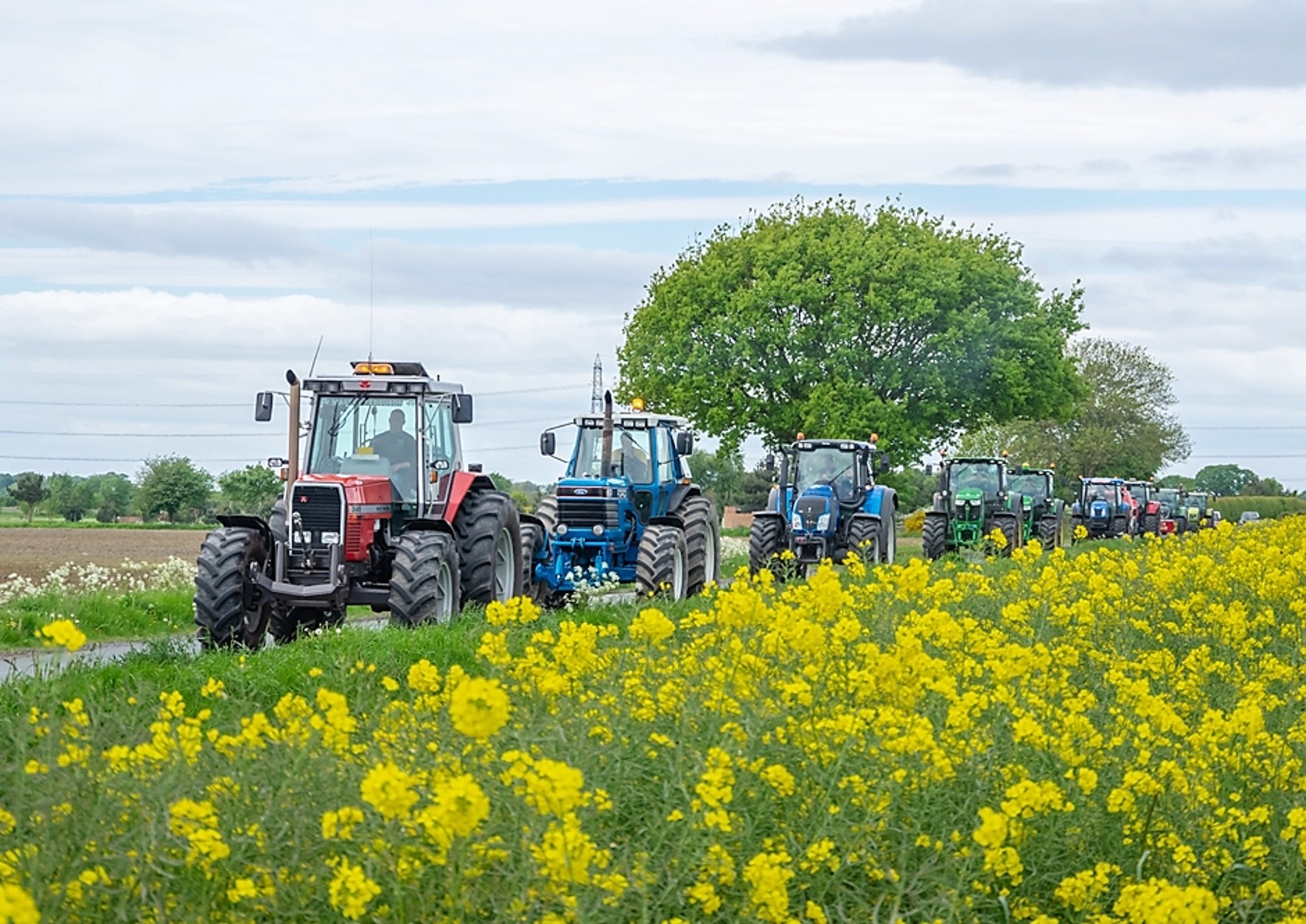
What do a water cooler, a tractor and a wheatsheaf have in common? More than you might think.
We all know that staying hydrated during the working day is important, whether you’re refilling a glass at the water cooler between meetings or simply keeping a bottle of water to drink on your desk. But while we’re taking a sip, it’s worth thinking about where another everyday essential comes from: our food.
That’s where Back British Farming Day comes in.
From field to fork
It’s an opportunity to recognise the farmers and growers who produce the food we rely on every day and the enormous amount of work that goes into getting it from the field to our plates.
British farming is about much more than growing crops and raising livestock. Farmers also play a major role in looking after the countryside, with agriculture managing around 71% of the UK’s land.
And there’s plenty of variety in what’s produced here. In fact, the UK is home to more than 700 different types of cheese. So that humble cheese sandwich at lunchtime suddenly has a rather impressive story behind it.
Spot the red tractor
You may have seen the Red Tractor logo on food packaging. It’s one of the familiar signs consumers can look for when buying British produce, providing assurance that food meets recognised standards for safety, traceability and production.
Then there’s the wheatsheaf pin badge, traditionally worn during Back British Farming Day to show support for British agriculture.
Both have become familiar symbols of a much bigger story: the people, land and hard work behind the food we eat.
And if you need another reason to appreciate the humble wheat field, consider this: an area of wheat roughly the size of a football pitch can produce enough grain for around 11,500 loaves of bread.
Not bad for a field!
A little closer to home
Back British Farming Day is a useful reminder that the food on our supermarket shelves doesn’t simply appear there. Behind it are farmers, growers and rural communities working throughout the year, whatever the weather.
So next time you fill your glass, grab a sandwich or sit down for lunch, spare a thought for the journey that food has taken to get there.
From field to the fork, there’s a lot more going on behind the scenes than we might realise.
Sources
