
Staying properly hydrated ensures that all of your bodily functions are … well … functioning. You can only go three days or so without water, and as your body loses its hydration, you will experience all kinds of awful side effects. Dehydration can cause irritability, lethargy, dangerously low blood pressure, rapid heart rate, headaches, shock, and even death.
The average adult can usually maintain proper levels of hydration by drinking enough water. That being said, extreme heat or exertion can be draining on even a healthy adult. Kids and the elderly are more susceptible to extreme dehydration than the average adult … so if you have kids or older adults in your life that are important to you, the tips outlined below can be especially important for them (and for you!)
- Pick the right water.
As a general rule, try to avoid hydrating beverages that have added sugar. In addition to having fewer calories, it’s important to choose hydrating beverages that don’t have sugar in order to prevent spikes in insulin levels. Going into a sugar crash compounded with the already-unpleasant sensation of dehydration, is not the way to go. Plus, if you happen to be sick with diarrhoea during a hot summer day, sugary beverages can actually worsen your symptoms.
- Snack on the right foods.
Fresh veggies and fruits are good snacks this time of year, and not just for dieters. Fresh produce has a very high water content, so it’s a great way to hydrate without having to drink a ton of water. For example, an apple is up to 85% of water by volume.
Pickles (and pickle juice) are higher in electrolytes than beverages like Liquid Power or Powerade, and have been shown to reduce cramping cause by exertion in high temperatures. The acetic acid in pickles and pickle juice are considered superior to the citric acid found in commercial sports drinks, at least when it comes to rehydration properties.
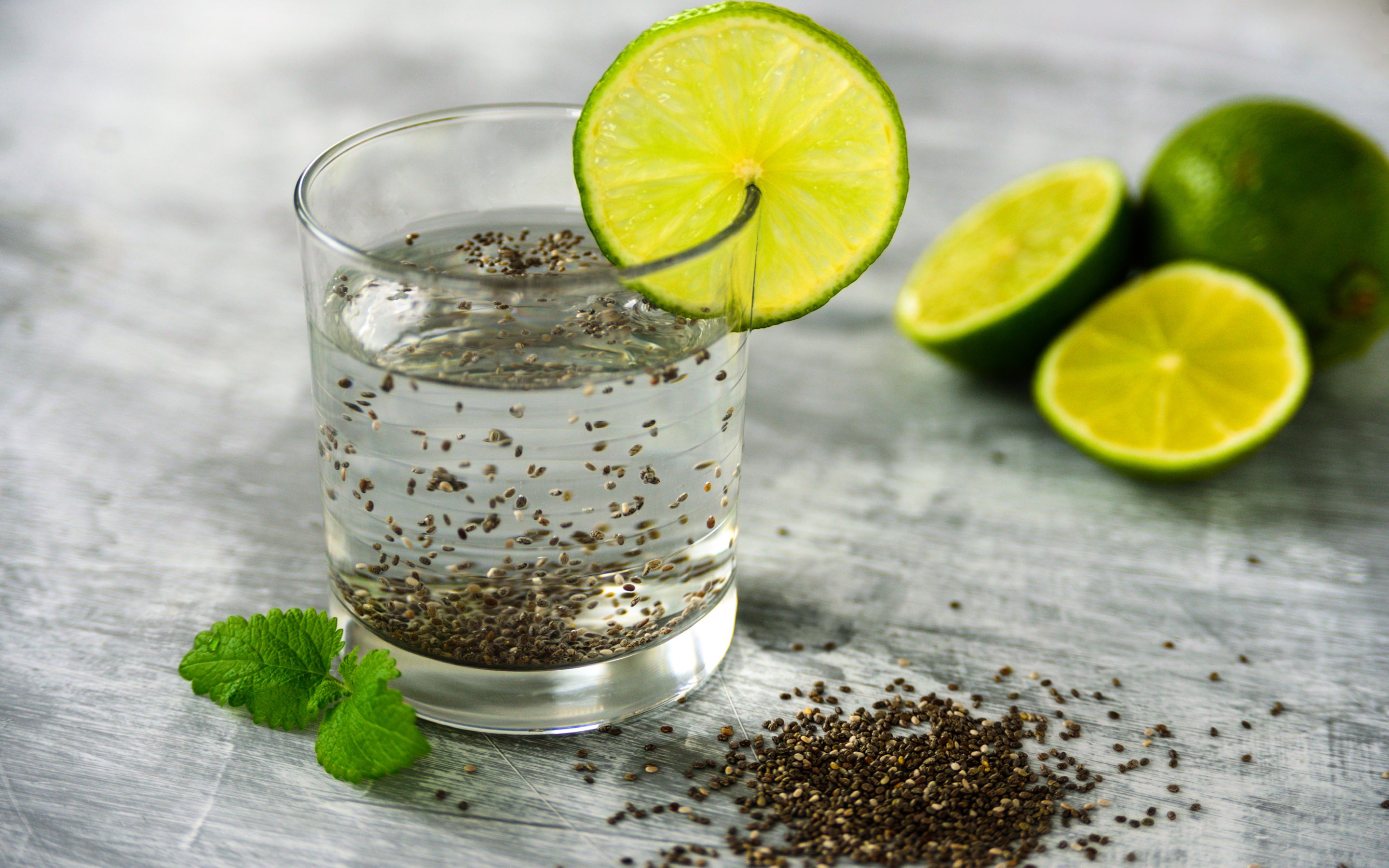
Another food you should add into your diet when staying properly hydrated is a concern are chia seeds. In addition to being high in protein, the seeds themselves help you to retain water by absorbing many times their own weight in water. If you can’t find the actual seeds, you may be able to find a chia seed gel at runner’s/sporting goods or health food shops.
- Drink constantly, not occasionally.
You should be constantly drinking fluids, rather than guzzling multiple litres of water all at once.
Another way to explain this (in a rather radical comparison) is when you go to the hospital and get an IV drip, it’s a DRIP … meaning that you get a slow but steady introduction of fluids. You never see anyone getting an IV drip at the speed of a gushing fire hose.
It is better to have frequent, small amounts of fluid … especially if the dehydration is severe. Too many fluids at once can induce stomach upset or vomiting.
The amount of water you need in a given day depends on the environment, your activity level, and what other food and drink you have consumed.
Break up that amount of water into a cup or so every hour, and you’ll have a good, healthy intake of water. Drinking too much water in a very short period of time can put too much strain on your eliminatory processes, so finding the right balance is important.
- Avoid diuretic behaviours.
Don’t do anything that you know will dehydrate you. In addition to exercise, also watch out for alcohol and caffeine. You might feel groggy when you get to the office … avoid your usual The Hulk sized mugs of coffee and go for a large glass of water. You might be surprised at how much more effectively the water perks you up.
- Make it easy on yourself.
It’s hard to stay hydrated when you don’t have water nearby. At the office it should be easier – and practically impossible to avoid if you have a water cooler on the premises.
If you don’t, speak to the powers-that-be and ask them to drop AquAid a line, so that you get your water cooler tout suite.
Chia!
Frequently Asked Questions
What are the best types of beverages for hydration?
The best beverages for hydration are those without added sugars. Sugary drinks can cause spikes in insulin levels and may worsen dehydration symptoms, especially if you’re unwell. Water is the most effective hydrating beverage, and it’s calorie-free, making it an ideal choice for maintaining hydration.
In addition to water, drinks like herbal teas or infused water can be good alternatives. They provide flavour without added sugars. Avoid caffeinated or alcoholic drinks, as they can have diuretic effects, leading to increased fluid loss.
What behaviours should be avoided to prevent dehydration?
To prevent dehydration, avoid behaviours that lead to fluid loss, such as excessive caffeine or alcohol consumption. These substances have diuretic effects, increasing the need to urinate and leading to fluid loss. Exercise can also contribute to dehydration if fluids are not replenished adequately.
Instead of reaching for a large coffee when feeling tired, try drinking a glass of water. You might find it more effective in boosting alertness without the dehydrating effects of caffeine. Being mindful of these behaviours can help maintain proper hydration levels.
How can chia seeds aid in hydration?
Chia seeds are highly effective in aiding hydration due to their ability to absorb many times their weight in water. When consumed, they help retain water in the body, making them a valuable addition to your diet for staying hydrated. They also provide a good source of protein.
If you can’t find chia seeds, chia seed gel is a great alternative and can often be found in health food shops or sporting goods stores. Incorporating chia seeds or gel into your diet can support your hydration efforts, especially during hot weather or intense physical activities.
What should you do if you experience dehydration symptoms?
If you experience symptoms of dehydration, such as headaches, dizziness, or lethargy, it’s important to start rehydrating immediately. Begin by drinking small amounts of water or an electrolyte-rich beverage to replenish lost fluids and electrolytes. Avoid sugary drinks, which can exacerbate symptoms.
If symptoms persist or worsen, seek medical attention, as severe dehydration can lead to serious health issues. Prevention is key, so aim to drink fluids consistently and monitor your hydration levels, especially in hot weather or during physical exertion.
How can foods help with hydration?
Certain foods can significantly contribute to your daily hydration needs. Fresh fruits and vegetables, such as apples, cucumbers, and watermelon, have high water content, making them excellent choices for staying hydrated. These foods not only provide water but also essential nutrients and vitamins.
Pickles and pickle juice are also beneficial due to their high electrolyte content, which can help reduce cramping caused by exertion. Chia seeds are another great option, as they absorb water and help retain hydration in the body. Incorporating these foods into your diet can support your hydration efforts.
