
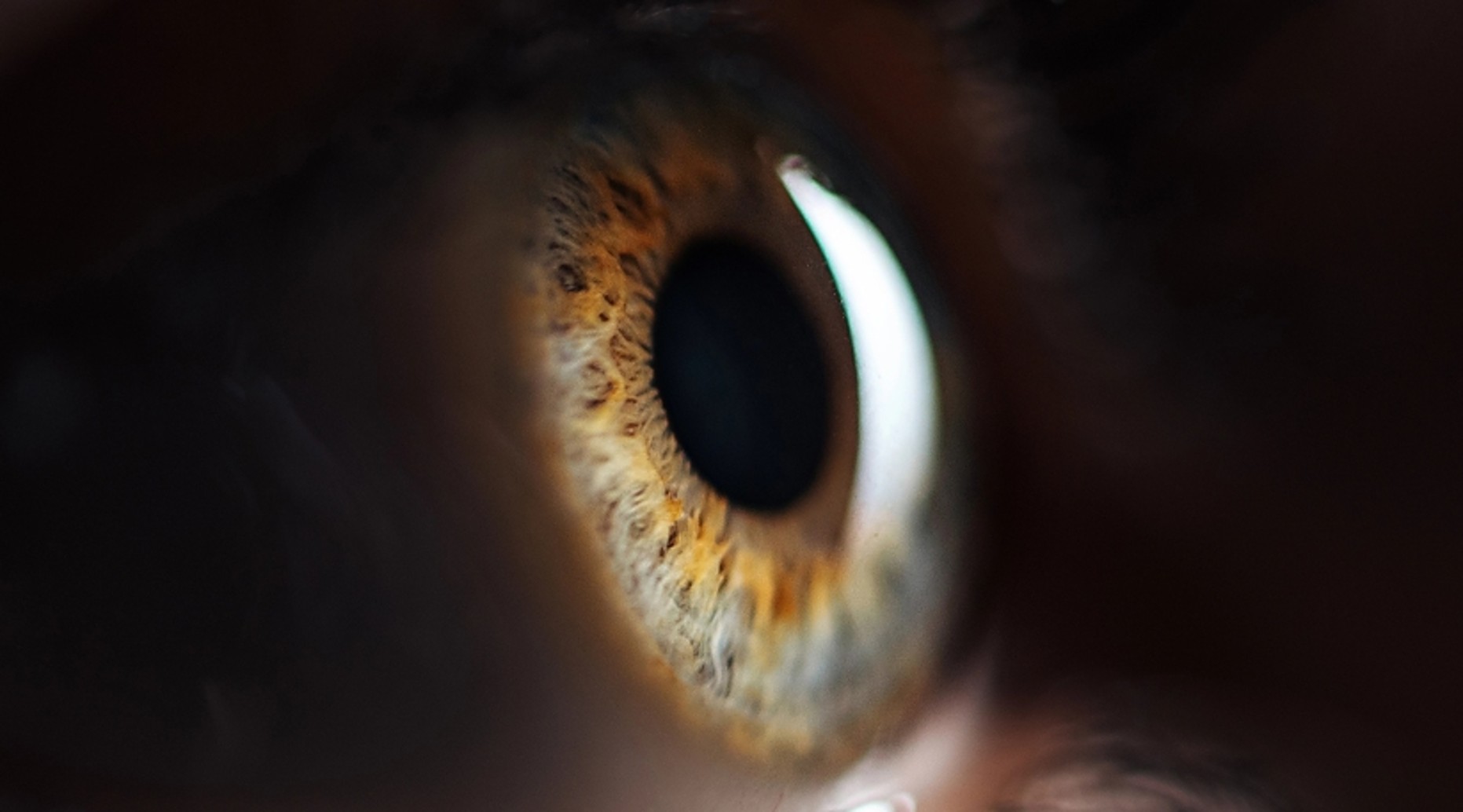
How many hours are spent looking at a screen during the average day?
Between computers, phones, tablets and the other screens that have become part of everyday life, our eyes get very little time off. By the end of a busy day, tired, dry or irritated eyes can be a familiar feeling.
With World Sight Day taking place in October, it’s a good opportunity to look at something we don’t always associate with eye health: hydration.
Our Eyes Need Water Too
Our eyes rely on a thin layer of tears to stay lubricated and comfortable. Tears do more than simply keep the surface of the eye wet. They also help protect the eyes and provide a smooth surface for clear vision.
Drinking enough water supports the body’s normal fluid balance, including the fluids involved in keeping the eyes comfortable. When we’re not drinking enough, we may notice signs of dehydration elsewhere too, such as tiredness, headaches or a dry mouth.
And then there’s screen time.
Eyes and Screens
When we’re concentrating on a computer screen or phone, we tend to blink less frequently. That can mean the tear film on the surface of the eye evaporates more quickly, leaving eyes feeling dry, tired or irritated.
It’s not necessarily the screen itself that’s the problem. It’s often the way we use it.
Taking regular breaks, remembering to blink and adjusting screen position and lighting can all help reduce the strain that comes with prolonged screen use. And, of course, keeping a glass or bottled water within easy reach is a useful reminder to drink regularly too.
Don’t Forget the Water
It’s surprisingly easy to become absorbed in a busy working day and realise several hours have passed without a proper drink.
Having drinking water readily available makes regular hydration easier to maintain. A water cooler in a communal area, for example, provides an obvious opportunity to pause, refill and step away from the screen for a moment.
That short break can do more than top up your water. Looking away from the screen gives your eyes a chance to rest too.
As we explored in our Brain Health feature, hydration can support concentration and mental alertness as well. So, a quick water break can be a useful reset for more than just your eyes.
A few habits that can make a difference:
- Having water readily available makes it easier to drink throughout the day.
- If you’re working at a screen for prolonged periods, give your eyes regular breaks. The 20-20-20 approach – looking at something around 20 feet away for 20 seconds every 20 minutes – is one commonly recommended way to do this.
- It sounds obvious, but concentrated screen use can reduce how often we blink. Making a conscious effort to blink regularly can help keep the eyes lubricated.
- Regular eye examinations can identify changes in vision and other eye problems, sometimes before you notice any symptoms yourself.
Our eyes work hard from morning to night, particularly when much of the day is spent reading, concentrating and looking at screens.
Staying hydrated won’t solve every cause of tired or dry eyes, but it’s a pretty simple part of looking after your general health and supporting your body’s normal functions.
And sometimes, stepping away from the screen for a glass of water is exactly the break your eyes – and the rest of you – needs.
