by Belinda Ollewagen | Apr 8, 2019 | water cooler, water dispenser
In keeping with our focus on literature this month – after all, you’ll need to have more to talk about at the office water dispenser than just International Book Day on 23 April – we thought it would be a good idea to focus on books yet again, but this time something very different and exceptionally innovative – the drinkable book!
In their ongoing quest to develop new water delivery tools, WATERisLIFE have developed The Drinkable Book ‘the first-ever manual that gives safe water tips and serves as a tool to kill deadly waterborne diseases by providing the reader with an opportunity to create clean, drinkable water from each page.’
In addition to educating the reader about safer practices when drinking water, each page, printed with food ink and made from technically advanced filter paper, can be torn from the book and used to purify water, killing off waterborne diseases including the likes of cholera, E.coli and typhoid. Research shows that it can reduce the bacteria count by 99.9% which puts it on the same level as the drinking water from our taps. A filter (or page) is capable of providing a person with clean water for up to 30 days – and four years’ worth for the entire book.
In a world where 780 million people don’t have access to clean and safe drinking water; and where a child dies from diarrhea every 21 seconds, these and other water-safe technologies can make a profound difference in developing countries – this is also one of the reasons why AquAid chose to establish the Africa Trust. Because the need in impoverished third world countries is so great, AquAid donates a percentage of every water cooler sale to the Africa Trust – together they have built more than 8,000 water pumps in different parts of Zimbabwe and Africa, and helped to bring clean and safe drinking water to more than 1.2 million people.
If your ethos is also to help those most in need and if you want to help bring clean and safe drinking water to the impoverished, consider choosing AquAid as your office or school water dispenser supplier today!

by Belinda Ollewagen | Mar 15, 2019 | water cooler, water dispenser
It’s time to get your buzz on, because very soon it’s St Patrick’s Day and all around the world, Irish and non-Irish alike will be celebrating. For those of you that don’t know, the day (actually his death day) commemorates Saint Patrick and the arrival of Christianity in Ireland. The custom to wear shamrocks and go all-green (a colour long associated with Ireland), comes from St Patrick’s use of the three-leaved plant, to signify the Holy Trinity.
What might St Patrick’s Day have to do with a water dispenser you ask? Well, if you’re planning on imbibing and you don’t want to feel like a train wreck the next day, then it’s best to take precautions, and one of the most important is to remain well-hydrated – with water that is, not alcohol. So, frequent stops at the office water cooler in the lead up to the holiday is advisable, as is matching each alcoholic beverage with a glass of water on the day itself.
And if beer or a pint of Guinness isn’t your cup of tea (see what we did there) then why not try out a few fabulously green-inspired cocktails
Shamrock Shaker
1½ oz. Tequila
1½ oz. Sour Apple Liqueur
¼ Agave Nectar
2 oz. Lime Juice
Simply combine all ingredients in a cocktail shaker filled with ice, give it a good shake and serve in a martini glass garnished with thin slices of apples.
Frozen Mojito
1½ oz. White Rum
1½ oz. Mojito Mix Syrup
½ oz. Lime Juice
5 Mint Leaves
Splash of Sour Mix
Blitz all ingredients in a blender, add ice, blitz again and serve garnished with a slice of lime.
Wasabi Praise
1½ oz. Sake
1½ oz. Vodka
½ oz. Lime Juice
Pea size of Wasabi
Combine all ingredients, stir and serve.
Happy St. Patrick’s Day – remember to stay well-hydrated (the water cooler is your friend!) and enjoy responsibly.
by Belinda Ollewagen | Feb 11, 2019 | instant tap, water cooler, water dispenser
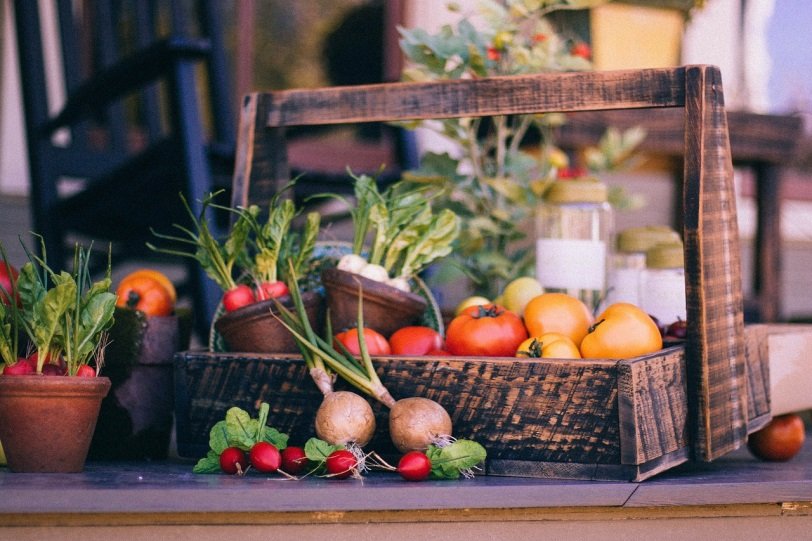
The weather is still pretty grim and as much as frequent visits to your office’s instant taps or water cooler might help you stay hydrated, it can be a little challenging to keep drinking that much liquid during the cold winter months; so another option is to up your intake of water-rich fruit and vegetables!
Not only does certain produce help with water intake, but fruit and vegetables are naturally low in fat and calories, and they’re an important source of many nutrients including potassium, fiber, folic acid, Vitamin A and Vitamin C. These nutrients help our bodies maintain healthy blood pressure, reduce blood cholesterol levels, regulate our bowel movements, aid healthy fetal development in women, and protect against various infections – the benefits are endless. For all this, in addition to aiding hydration, it’s easy to see why we should include more of this food type in our diets.
So, if you’re struggling to drink those eight glasses of water each day from the water cooler, consider eating more of the following – in order of highest water content:
FRUIT
Watermelon holds the highest percentage of water at 92%, followed by Strawberries 92%, Grapefruit 91%, Cantaloupe 90%, Peach 88%, Raspberries 87%, Pineapple 87%, Cranberries 87%, Orange 87%, Apricot 86%, Blueberries 85%, Plum 85%, Pear 84%, Apple 84%, Cherries 81%, Grapes 81% and Banana 74%.
VEGETABLES
Cucumber holds the highest percentage of water at 96%, Lettuce (iceberg) 96%, Zucchini 95%, Celery 95%, Radish 95%, Tomato (red) 94%, Cabbage (green) 93%, Tomato (green) 93%, Cabbage (red) 92%, Cauliflower 92%, Peppers (sweet) 92%, Spinach 92%, Eggplant 92%, Broccoli 91%, Carrots 87%, Peas (green) 79% and Potato (white) 79%.
Whether it’s a fruit salad you bring along to the office, or perhaps a home-made soup, be sure to include more of these in your diet and then you won’t need to visit the water cooler dispenser quite that often in the chilly months.
by Belinda Ollewagen | Jan 12, 2019 | water cooler, water dispenser
The sheer number of people without access to clean and safe drinking water is staggering. According to the World Health Organization, in 2015 2.1 billion people didn’t have access to safely managed drinking-water services. Of those people ‘423 million people were taking water from unprotected wells and springs; and 159 million people were collecting untreated surface water from lakes, ponds, rivers and streams.’ It’s this desperate need, the need of millions to have cleaner and safer water to drink that drives us on and that has us support the Africa Trust. With a percentage of every water dispenser sale donated to the trust, AquAid has to date donated over £6 million pounds, built over 8,000 water wells in different developing countries on the continent, and helped bring safe drinking water to more than 1.2 million people.
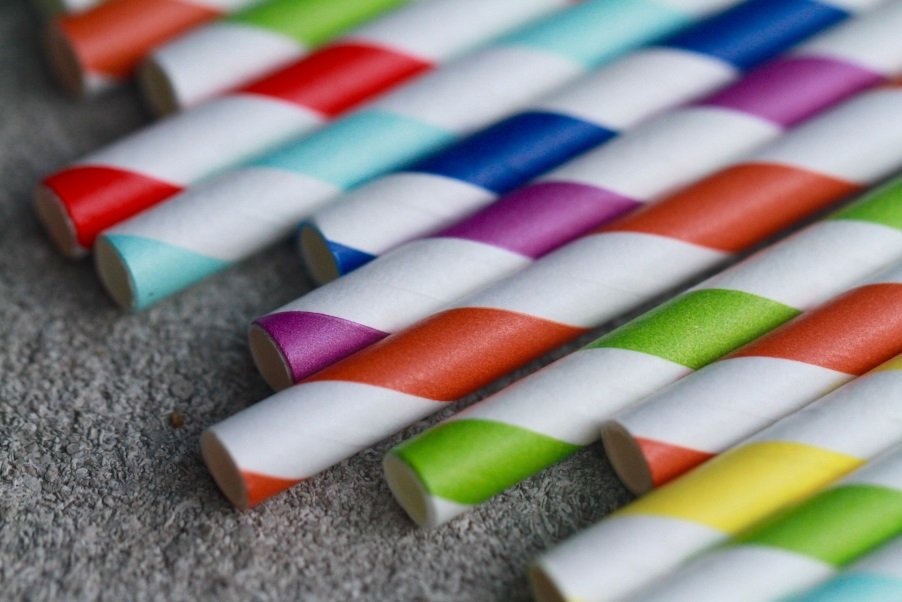
There are many other organizations that also keep this dire need top of mind, and one such initiative is WATERisLIFE who have developed the new clean sip straw filters – a portable water purifier that can be used in any water source to provide water that is safe to drink.
This is how it works:
‘Inside the WATERisLIFE straw are membranes, patented filter material, and active carbon, which removes the taste and medium size bacteria. The technology protects against waterborne bacteria and viruses like typhoid, cholera, E. coli, dysentery and diarrhea. The smaller filters use new groundbreaking technology to cover a broader range of contaminates. Additionally, these filters deal with heavy metals such as lead, mercury, and aluminum, arsenic, fluoride, chlorine, cadmium, giardia, E Coli, algae, hydrogen sulfide, cholera, and typhoid.’
And this is how it makes a difference:
‘Each WATERisLIFE straw filter will provide hundreds of liters of clean water (typical use is 2-3 liters of water per day per person). Once it is no longer effective, the straw will stop being able to draw water. $10 puts a filter into the hands of a person who desperately needs it. ‘
If you also want to know that you’re making a difference and helping to bring clean and safe drinking water to hundreds of thousands of people, then choose an AquAid watercooler or water dispenser, because with every cup of AquAid water you help bring water to Africa.

by Belinda Ollewagen | Jan 8, 2019 | water cooler, water dispenser
We often talk about our carbon footprint – it’s a concept we’re familiar with out of necessity, because so much of what we do, or don’t do, affects our climate globally. But the same concept can be applied to water, whether it’s water out of the watercooler, irrigation water or washing water – nearly everything we do or consume is touched by water in some way and so it too has a footprint.
Building on the notion of virtual water first introduced by Professor Tony Allan in 1993, Professor Arjen Hoekstra in 2002 created the water footprint – a way of measuring how much water is consumed in the production of goods and services along the entirety of the supply chain. In the mid 2000’s global big-brand companies became more and more aware of their dependence on water and the water-related risks they faced, which in turn inspired Hoekstra in 2008 to create the Water Footprint Network – a gathering of the brightest minds dedicated to showing how Water Footprint Assessment can help us move forward and overcome the challenges of unsustainable water use.
Their vision: ‘A world in which we share clean fresh water fairly amongst all people to sustain thriving communities and nature’s diversity.’
Their mission: ‘To use the water footprint concept to promote the transition toward sustainable, fair and efficient use of fresh water resources worldwide.’
So what can we do in our personal capacity to reduce our water footprint you might ask? Well there are two ways we can make a difference – directly and indirectly.
Directly we can reduce our own consumption by installing water-saving devices in our homes; we can make small changes like closing the tap while we brush our teeth; and we can use less water in our gardens.
Indirectly we have two options: we can change what we consume – for example a shift from eating meat to becoming vegetarian, drinking tea instead of coffee, or better yet visiting the water dispenser more often and just drinking more plain water; or if these shifts seem too extreme, we can stay with what we consume, but choose those products (the cotton, beef or coffee) that has a lower water footprint. But this requires that we know more about the relevant products, and manufacturers aren’t always as forthcoming as they should be, so this is something else consumers can do – we can drive more transparency from the various key players.
Every action we take has a consequence – so let’s be sure to make it a positive one!