by Fern Shaw | Oct 1, 2025 | water boiler, water cooler, Water Coolers, water dispenser
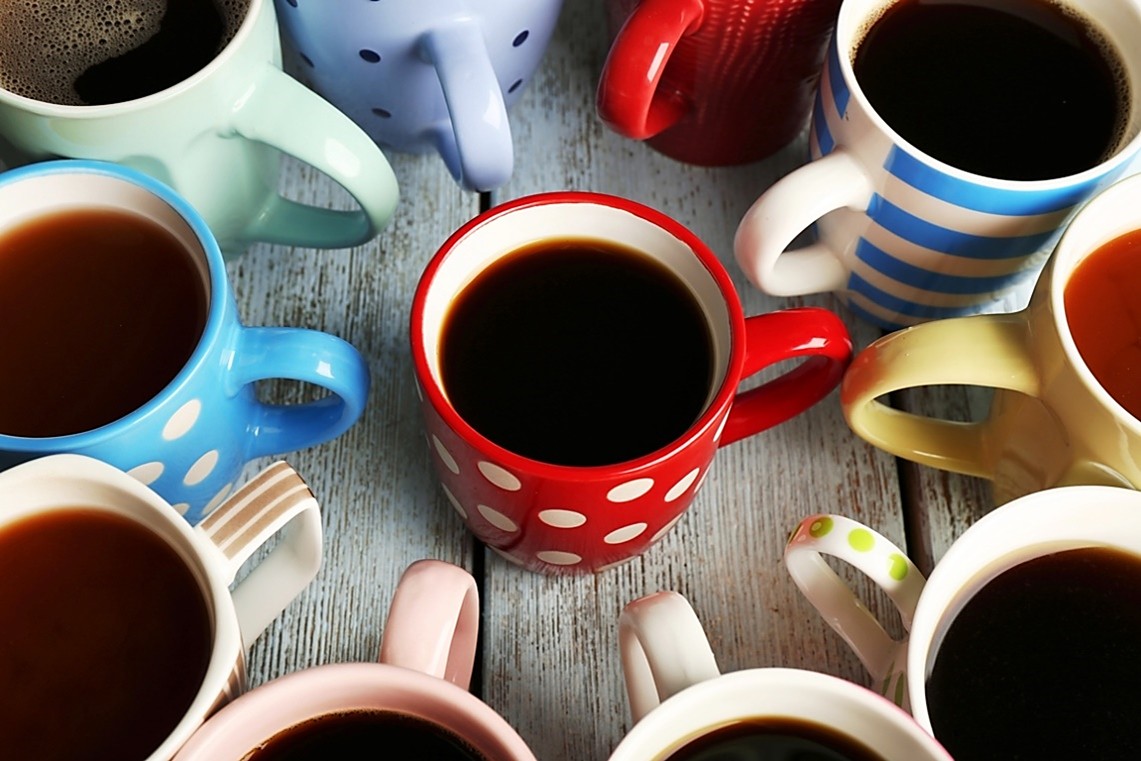
Is International Coffee Day cause for celebration? We think so. (Though it’s possible your jittery enthusiasm is less ‘cheer’ and more ‘over-caffeinated’.)
Do we rank in the global coffee consumption lists?
No, we do not. Not even close. Luxembourg does. Finland does. As do Norway, Denmark and Sweden.
Okay, but if we are drinking coffee, is it good for us?
Coffee probably makes the modern world go round – and it’s been doing so since it hit the West in the 1600s. But as with all good things, the golden rule applies: everything in moderation.
That morning coffee (ideally after breakfast) is a great way to get going. But if your day is fuelled solely by creamy lattes and sugar-laden cappuccinos, the benefits of coffee can quickly get buried under the calories.
Pro tip: Pair every coffee with a drink of water to stay hydrated. Not only is it great for your body, but your skin and energy levels will thank you too.
A pre-workout coffee? Yes, really.
Many avoid coffee before exercising, thinking it’s too dehydrating. Actually, a cup of coffee before a workout can help boost fat burning, improve endurance, and reduce fatigue – just hold the honey and whipped cream.
It’s what’s inside that counts.
Coffee is packed with flavonoids, powerful antioxidants that help stop LDL cholesterol from oxidising—great news for your heart health. And if you keep it simple (read: black coffee, no sugar), your daily brew clocks in at just 2 calories. Diet-friendly and delicious.
But first … hot water.
No coffee without hot water – which is where we come in. With an AquAid water dispenser, instant hot water boilers, or boiling water taps, getting your perfect cup is effortlessly easy, whether you’re in the office, at home, or anywhere in between.
Even better? Every cup you brew helps support Christian Aid and The Africa Trust, who bring clean drinking water to communities across Africa. So, while you’re sipping your hot coffee, someone else is getting access to safe, life-changing water.

by Fern Shaw | Sep 29, 2025 | instant tap, mains fed water cooler, water cooler, Water Coolers
Whether you’re operating a multinational corporation or managing a team of two, one thing remains the same: employers have a responsibility to provide a safe, healthy and supportive work environment.
It’s not just about ticking boxes. It’s about genuinely caring for your team’s well-being – and that starts with the basics.
What Does a Healthy Work Environment Look Like?
A positive workplace doesn’t need to be extravagant. But it does need to ensure that everyone has access to key resources that help them stay focused, energised and well.
At the very least, a responsible employer should provide:
- Easy access to a constant supply of drinking water throughout the day
- A space to eat and recharge, even if it’s just a small break room
- A designated area away from the desk where staff can take short breaks
- Clean, well-maintained bathroom facilities
These are simple, everyday needs – but when they’re consistently met, they contribute massively to morale, productivity and staff retention.
Going Beyond: When Your Water Cooler Does More Than Just Hydrate
It’s easy to overlook the office water cooler. But what if something as ordinary as drinking water at work could have an extraordinary impact somewhere else in the world?
That’s exactly what AquAid has built its mission around.
While AquAid offers a wide range of high-quality water coolers, hot water boilers, bottled water solutions and Instant Taps across the UK – with professional installation and aftercare – it’s their commitment beyond the workplace that truly sets them apart.
Drinking Water Here = Safe Water There
For every mains fed water cooler installed or bottle of water purchased from AquAid, a portion of the proceeds goes directly to charities that provide sustainable, life-saving water resources to communities across Africa.
That means your workplace water solution could be helping to:
- Fund the installation of community water wells in rural villages
- Support long-term water purification systems
- Empower local teams to manage and maintain their own water infrastructure
- Provide safe drinking water to schools, health clinics and households where it’s desperately needed
And we’re not talking small numbers. Through partnerships with organisations like The Africa Trust and Christian Aid, AquAid has helped bring clean, accessible water to millions of people.
Keen to Make a Difference? Contact us at AquAid
If the idea that your team’s daily water intake could help fund life-changing water solutions for thousands of communities aligns with your values, we’d love to hear from you.
Here’s how to get in touch:
by Fern Shaw | Sep 8, 2025 | mains fed water cooler, water cooler, Water Coolers, water dispenser
In short – no, water is not an antioxidant. But it is found in drinks that do contain antioxidants, which might make it feel like a riddle. Is water pretending? Is it having an identity crisis? No, it’s just doing its job – hydrating you.
So, while antioxidants can be in water-based drinks, water itself isn’t one of them. Time to stop blaming your brain fog on chemistry confusion (but do grab a glass of water just in case).
What Are Antioxidants, Anyway?
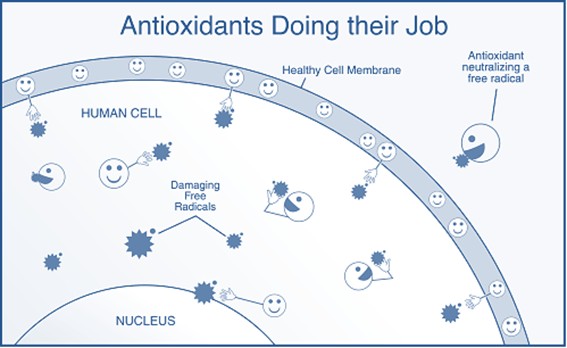
Antioxidants are natural compounds found mostly in plant foods. Their job? To protect your cells from damage caused by free radicals – those unstable molecules that sound like something from a sci-fi film but are very real and not very helpful.
Think of antioxidants as microscopic bodyguards for your cells – keeping the peace and protecting against long-term health issues.
Antioxidants in Your Brew: Tea vs Coffee
Start your day with a hot drink? Good news: both tea and coffee are loaded with antioxidants.
All teas – especially green tea – contain flavonoids, a powerful group of antioxidants. In fact, tea is the second most consumed drink in the world after water. Green tea, in particular, is the antioxidant MVP in countries like China and Japan.
Fun fact: Studies show tea drinkers consume up to 20 times more flavonoids per day than those who skip it. Not bad for a humble cuppa.
And coffee? Also great. Research suggests it can be just as antioxidant rich as tea. So, if you’re a morning espresso fan, you’re in luck.
Can Tea and Coffee Replace Fruits and Veg?
Sorry, no. While both drinks are antioxidant-rich, they can’t replace the fibre, vitamins and broader range of nutrients found in fruits and vegetables. A balanced diet still wins.
Hot or Cold, AquAid’s Got You Coolered
Whether it’s a cup or mug of antioxidant-rich, piping hot tea, coffee or just refilling your water glass or bottle with refreshing H2O – we have the water delivery solution for you.
Water coolers, be they a bottled water dispenser or mains fed water coolers, desktop or floor standing models, a hot water boiler or Instant Taps – we have a wide range.
Not sure what you need? Contact AquAid – we’re happy to help.
graphic credit: Bryan DiSanto
by Fern Shaw | Sep 3, 2025 | Water, water cooler, Water Coolers, water dispenser
Urology might not be the most talked-about health topic – but perhaps it should be. With half of us likely to face a urology condition in our lifetime, taking care of our urinary health is more important than ever.
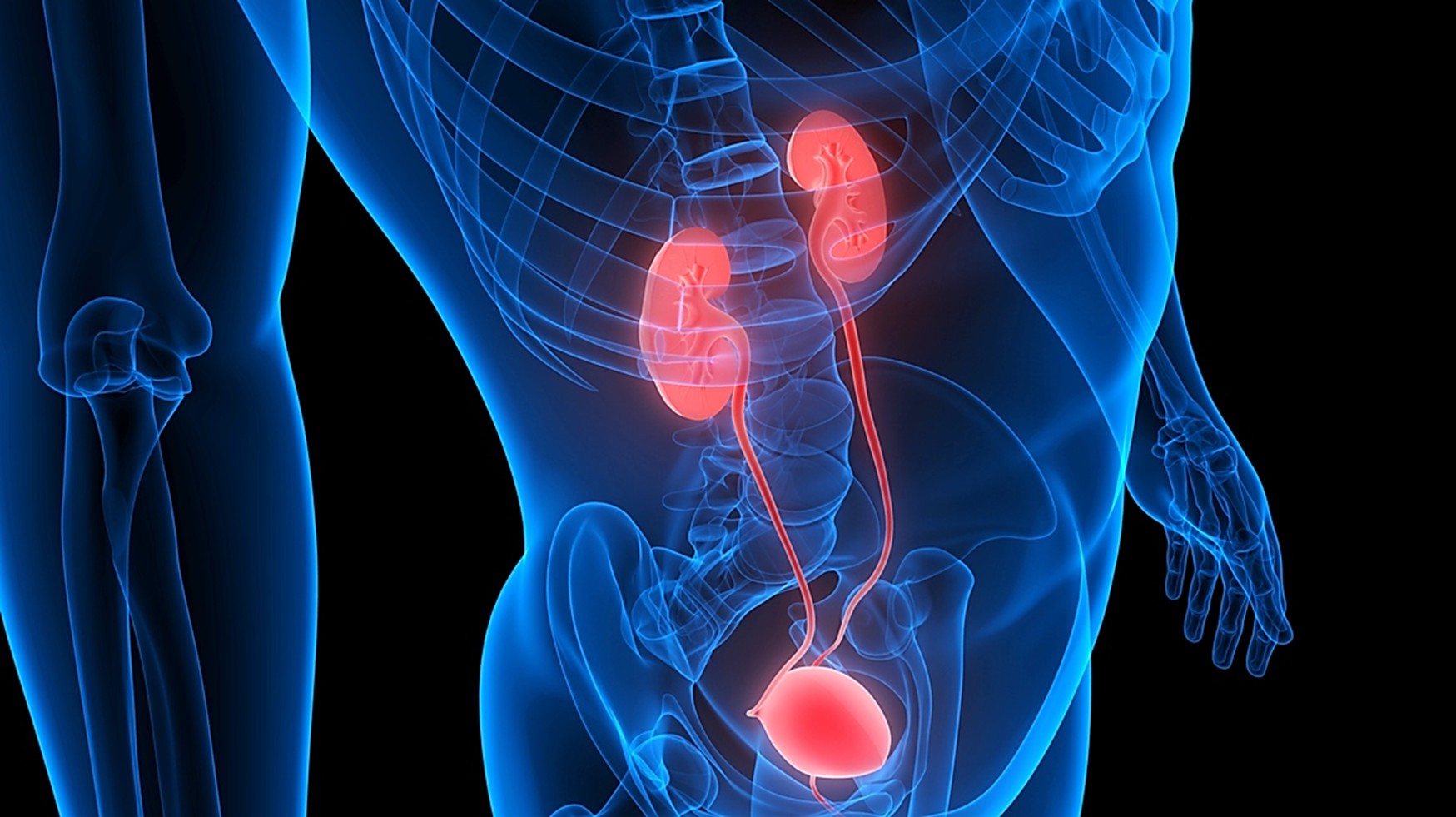
Urology Awareness Month, held every September in the UK, helps bring attention to vital organs like the bladder, kidneys and prostate – and how we can keep them healthy with everyday habits.
And yes, one of the easiest ways to show them some love? Drink more water.
Staying hydrated helps these organs do their jobs – whether that’s filtering waste, controlling urine flow, or maintaining overall balance in the body. Dehydration can lead to all sorts of issues, including kidney stones, urinary tract infections and bladder discomfort.
The good news is you can keep an eye on your hydration with one simple clue: your urine colour. A pale, straw-like colour usually means you’re in the clear. Anything darker might mean your body’s asking for more H2O.
That’s where a water dispenser comes in handy. When fresh drinking water is easy to access – whether that’s at the office, workplace, job site, in waiting rooms, shops, fitness centres, schools or public spaces – we’re far more likely to drink enough throughout the day.
So, this month, don’t just raise awareness – raise a glass of water. Your urological system will thank you for it.
source: The Urology Foundation
by Fern Shaw | Aug 20, 2025 | Water, water cooler, Water Coolers
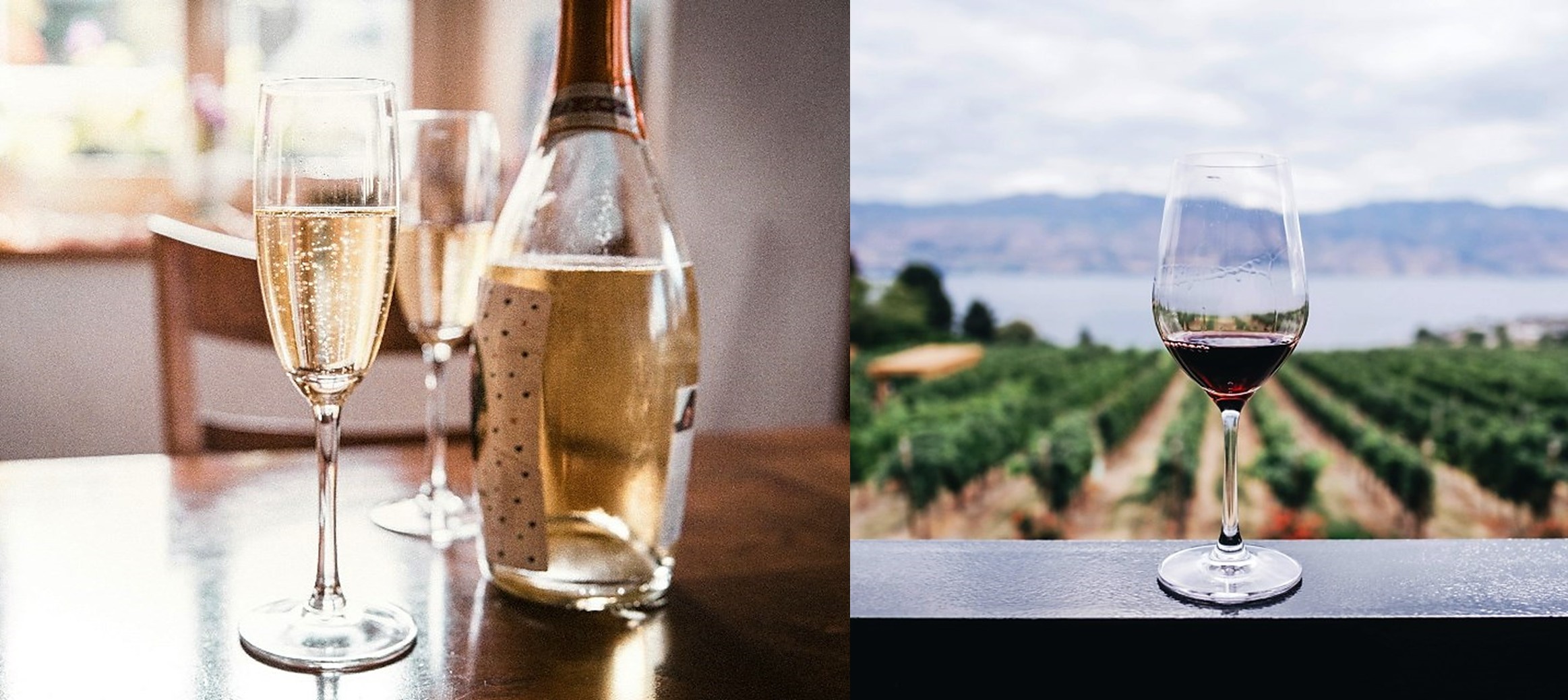
August is shaping up to be a rather refined month, having recently brought us two excellent reasons to raise a glass – National Prosecco Day and National Pinot Noir Day. Whether you’re a fan of sparkling celebrations or prefer a silky red, there’s no denying that wine lovers have had plenty to toast to. But before you get too carried away with the cork-popping and swirling, let’s take a moment to appreciate the unsung hero behind every great glass: water.
Yes, that humble H₂O from your water cooler plays a bigger role than you might think. Grapes, after all, need a good drink too – as do you. From vineyard to bottle, water is essential in the winemaking process, nurturing the vines and keeping those precious grapes plump and juicy. Without it, there’d be no Pinot, no Prosecco … and frankly, no fun.
Now, while we admire the idea of having a glass of fizz on tap, we strongly advise against repurposing your water cooler as a wine dispenser. It’s not that we haven’t thought about it – we have – but it turns out wine and water coolers just aren’t a great match (something about internal mechanics, hygiene and common sense).
What role does a water cooler play with wine?
What is a good idea, though, is keeping hydrated if you’re partaking in any wine-themed festivities. With the UK recently doing its best Mediterranean impression, alternating each glass of Prosecco or Pinot Noir with a glass of chilled water isn’t just sensible – it’s practically celebratory. Your head (and possibly those you work with) will thank you the next day.
So, whether you’re sipping something sparkling or savouring a smooth red, don’t forget to also replenish your water from your trusty water cooler. It might not be as glamorous as a vineyard in Veneto or Burgundy, but it’ll help you stay balanced, bright-eyed and ready for whatever tomorrow brings – even if that’s just another Monday.