by Fern Shaw | Apr 17, 2013 | Health and Hydration
Tea Time. Choose any of the innumerable varieties of teas and herbal drinks, not only to stay hydrated, but also to reap piles of benefit for your body. Black tea contains catechins, flavonoids that can improve cardiovascular health and may help prevent cancer. Green tea lowers your risk of heart disease, reduces your risk of lung cancer, and can help your body burn fat more easily – the polyphenols in the tea appear to work with caffeine to increase calorie burn.
Proper tea stemming (a-ha) from the plant Camellia sinensis includes only four varieties: Green, Black, White and Oolong. Anything else, like herbal ‘tea’ is an infusion of a different plant and isn’t technically tea.
This however, doesn’t mean that there aren’t many health benefits to herbal teas. Sage tea can help with excessive perspiration. Chamomile can help control blood pressure and ease digestion and gas. Ginger tea can soothe your stomach and ease arthritis pain.
AquAid supply a rather nice PG Tips, which is a Black Tea, with their hot drinks dispensers.
Coffee break. Let’s not kid ourselves, coffee (like tea) probably makes the world go round and has done so since its introduction to the West in the 1600’s. We’ve already discussed the good vs. bad when it come comes to coffee consumption – rule of thumb being ‘everything in moderation’, so here I’m going to talk about some of the many benefits of coffee.
Because coffee is a diuretic, many people avoid it before they work out. You might want to rethink that approach. Coffee has been shown to help your body burn fat while you exercise, aiding in weight loss. It also enhances performance by minimizing the effects of fatigue.
As with tea, coffee is full of powerful antioxidants called flavonoids, which help to prevent LDL cholesterol (bad for the heart) from oxidizing and causing heart disease.
If one avoids loading up with the sugars and creams when having one’s cup of Java, drinking coffee is also not bad when one is dieting, as black, unflavoured, unsugared coffee contains about 2 calories.
Look for the Kenco range of coffees that can come with your hot and cold drinks dispensers and keep in mind that for every Kenco coffee purchased, a donation is made to The Africa Trust, bringing clean drinking water to rural communities in Africa.
Topping up the Water Tank. As with all our bottled water, both our hot and cold water dispensers are kept replenished from water drawn from the source.
Glug, glug. Enjoy.
by Fern Shaw | Apr 11, 2013 | Health and Hydration, Water Coolers
… Rain (blizzards, snow, and sub-zero temperatures) or Shine (weak lemony coloured sun that wouldn’t tan a meringue) you begin to notice that your staff is a tad dispirited, if not outrightly unproductive. No spring in their step, no whistle in their walk.
So, at great cost, you institute an Independent Board of Enquiry to establish the cause of this general malaise that’s affecting everyone from Mrs Tibbins, usually the whizz bang accountant, through to Mr Oogle, usually the zoomiest bike messenger ever (but sadly not for the past few months.)
While all of this is in motion, the meeker than the proverbial mouse IT person, Tad, squeaks up.
‘We’ve no water in the water coolers’, says Tad, ‘so everybody’s most likely dehydrated’.
‘What?’ splutters HOD Mrs Furthingstoke, ‘what does that have to do with everyone not performing at their peak? Pure poppycock, I’m sure!’
‘Incorrect’, corrects Tad, ‘not drinking water regularly is one of the leading causes of many illnesses and especially fatigue’.
As it turns out, Tad was proven correct. The Board of Enquiry was dismissed, the water coolers were kept replenished, productivity soared and absenteeism dropped rapidly.
Take it from Tad, dehydration can happen sooner than one thinks. Some early warning signs are:
- Light-headedness, dizziness;
- Tiredness, irritability, headache;
- Dry mouth, throat and eyes;
- Sunken features (particularly the eyes), flushed skin and skin that is loose and lacks elasticity;
- Heat intolerance;
- There may be a burning sensation in the stomach, urine output will be reduced and may appear darker than usual.
So, in the interests of having a healthy, happy, productive work environment, take the simplest route – ensure that there is always fresh, clean drinking water from source, available at the press of a button, in the workplace.
by Fern Shaw | Apr 9, 2013 | Health and Hydration
Spring is apparently upon us, so hopefully with temperatures on the rise, the keeping fit and getting in shape for summer is becoming priority One. This means (hopefully), that one’s water intake will increase too. To make your water intake more fab and fun, herewith a range of suggestions that should keep you feeling marvellous, looking more fit and keeping hydrated:
- Add cucumber. If you prefer a flavour that is less sweet, add just a few slices to your glass and the subtle flavour gives your water a fresh, spa-like taste. If you have more time, fill a pitcher with a handful of cucumber slices and let it sit in your fridge.
- Make yourself feel cocktail-ish. If drinking water can seem too bland, try it with a twist of lime or a splash of sugar-free fruit juice – cranberry or pomegranate juice are great options. Try different combinations, how about grapefruit and blackcurrant? Yowzer.
- Mint cubes. Make mint ice cubes by throwing a small sprig of spearmint, peppermint, or lemon mint into the ice cube tray, add water and freeze. You can also do this with your favourite herb, like rosemary or basil.
- Go Herbal. Add powdered or freshly sliced ginger, bruised mint leaves, or lemongrass to amp up your H2O. Or go floral. Lavender and rose hips are loaded with vitamin C and may help ease arthritis pain.
- Make It ‘Sassy’. Stay hydrated with a stomach-soothing recipe for Sassy Water. It combines fresh ginger, cucumber, lemon, and spearmint for a tummy-pleasing cocktail.
- Water as a Meal. If downing water all day is what bores you, try treating it as a meal—or, better yet, three meals. Try drinking water to a comfortable fullness 3 times a day. On colder days, it might be less; on warmer days, more. But comfortable fullness should be enough to stay hydrated. This will lower the amount of calories you eat for roughly an hour afterward.”
- Switch It Up. Simply change the way you drink water – out of a glass instead of a bottle, for example. Or drink it at a different temperature. If you change the temperature, you can change the experience and that can be enough to alter your water intake. Remember, cold water takes longer to drink. If you want to down it faster – to get your water-intake over with – drink it at room temperature instead of icy cold.
Remember, whether commuting; exercising; not exercising; working; relaxing; socialising – in fact, pretty much every –ing except sleeping, keep hydrated this Spring – it can only be good for you.
by Fern Shaw | Apr 9, 2013 | Health and Hydration
We still think water is better. Find out why we think so here.
When you start to drink more water, you’ll find that you drink fewer fizzy drinks and fewer high-calorie drinks. There are a few major benefits to this:
- Swapping water for fizzy drinks helps to decrease your daily caloric intake
- Drinking more water helps you to feel full throughout the day so you snack less
- Drinking water trains your taste buds to enjoy the subtle tastes of whole foods that are less processed and lower in calories
- Drinking sufficient water will have a pretty noticeable and remarkably fast effect (for the better) on your physical well-being
- Drinking water instead of reaching for the fizz will fatten your brain cells and not your body’s fat cells
- Fizzy drinks can act as a diuretic whereas water does not dehydrate you – in, the fact it achieves the complete opposite
- Drinking water, while you may not initially register it, is incredibly refreshing, whereas drinking fizzy drinks is falsely refreshing
And while you might drink water to lose weight, you’ll find that it’s good for your purse as well. Have you ever thought about the annual cost of your fizzy drink habit? For many people, it is substantial. A single diet fizzy drink during the day may not seem expensive, but over the course of a year, it adds up to hundreds of pounds.
This week, I’ll catch you at the water cooler where I’ll be lurking in an observational mode for research I’m doing on changing seasonal water habits and if there’s any truth to them. See you there!
Frequently Asked Questions
Why is water considered better than fizzy drinks?
Water is considered better than fizzy drinks because it helps reduce daily caloric intake and keeps you hydrated without the diuretic effect of fizzy drinks. Drinking water can make you feel full, reducing the urge to snack, and it encourages healthier eating habits by enhancing the taste of whole foods.
In contrast, fizzy drinks often contain high sugar levels and artificial ingredients, which can lead to increased calorie consumption and potential health issues over time. Moreover, water is a cost-effective choice, saving you money that would otherwise be spent on expensive fizzy drinks.
How does drinking water affect your physical well-being?
Drinking sufficient water has a noticeable positive effect on your physical well-being. It hydrates your body, supports brain function, and helps maintain energy levels. Unlike fizzy drinks, which can dehydrate you, water ensures that your body stays properly hydrated and functioning optimally.
Additionally, water aids in digestion and helps regulate body temperature. By choosing water over sugary drinks, you also reduce the risk of consuming excessive calories, which can contribute to weight management and overall health improvement.
Can drinking more water help with weight management?
Yes, drinking more water can help with weight management by reducing calorie intake and promoting a feeling of fullness. When you choose water over high-calorie fizzy drinks, you naturally consume fewer calories, which can aid in weight loss or maintenance.
Water also helps train your taste buds to appreciate less processed foods, which are typically lower in calories. By staying hydrated, you may find that you snack less frequently, further supporting your weight management goals. It’s a simple yet effective strategy for those looking to maintain a healthy weight.
What are the financial benefits of drinking water instead of fizzy drinks?
Drinking water instead of fizzy drinks offers significant financial benefits by reducing your annual beverage expenses. While a single fizzy drink might seem inexpensive, the cost adds up over time, potentially reaching hundreds of pounds each year.
By opting for water, you not only save money but also invest in your health. The savings from cutting out fizzy drinks can be redirected towards other essential expenses or even healthier food choices. This financial advantage makes water an appealing choice for budget-conscious individuals.
How does water consumption impact your taste preferences?
Water consumption can positively impact your taste preferences by training your taste buds to enjoy the subtle flavours of whole foods. When you reduce your intake of sugary fizzy drinks, you become more attuned to the natural tastes of less processed foods.
This shift in taste preference encourages healthier eating habits, as you begin to appreciate the flavours of fruits, vegetables, and other nutritious options. Over time, you may find that you crave these healthier foods more, leading to a more balanced and enjoyable diet.
by Fern Shaw | Apr 8, 2013 | Charity, Water Coolers
The Elephant Pump – how does it work?
What is it?
The Elephant Pump is a manual activated water pump based on a 2000 year-old Chinese design that the CEO of The Africa Trust, Ian Thorpe, adapted, to make it stronger and more durable.
This award winning Pump brings a cost effective, reliable and sustainable solution to one of Africa’s biggest problems.
What does it do?
It is made and maintained using materials that are locally available in remote rural sub-Saharan African communities, which means that once the Pump has been built, local resources can be drawn upon for repairs and replacement parts.
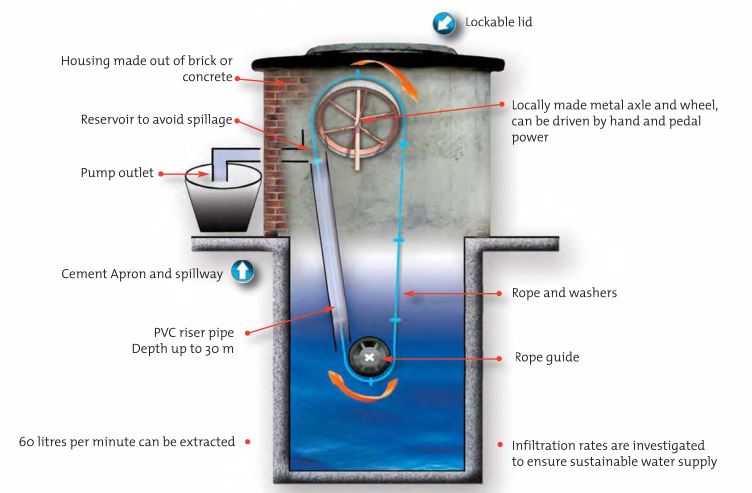
It draws water up from a well at a high volume – approximately 1 litre per second. That means 60 litres per minute.
How does it work?
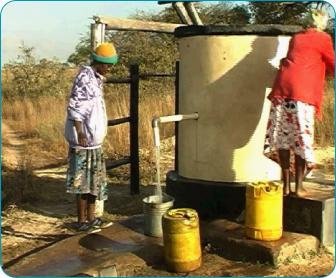
As the handle is turned, water is drawn up from a well of up to 30 meters in depth via a central pipe by washers attached to a rope. As the pump mechanism is fully enclosed to exclude sources of contamination, it yields a quality and quantity of water which exceeds WHO guidelines. The surplus water is used for livestock and irrigation of crops.
What are the benefits of the Pump?
The Elephant Pump has already contributed to bringing over 2 million people in rural Africa, a safe water source, at a price significantly less in comparison to comparable hand pumps.
- The ancient methods of constructing the Pump ensure the materials can be locally sourced and built, further promoting employment within the local community.
- Reliability – At any one time around 95% of existing Elephant Pumps are in operation which is 40% above the average for Africa.
- Ease of Use – The Elephant Pump is safe and suitable for operation by children and the elderly.
- High Volume – The Pump can provide 500 people with 20 litres per person, per day for domestic use.
- The money saved from installing an Elephant Pump provides enough money to build an additional pump providing a further 500 people with water.
Where does AquAid fit in?
At AquAid, we continually strive to supply water coolers that are best suited to our customers’ requirements thereby ensuring that our customers keep hydrated. At the same time, our water coolers also help provide safe drinking water to thousands of people every year by donating to sustainable charities; the Elephant Pumps in particular, being built as a direct result of monies donated to The Africa Trust.
How do you fit in?
For each purchase of an AquAid water cooler, a portion of that revenue is donated to Christian Aid and The Africa Trust.
We also have on-going paperless campaigns where selected customers are offered the opportunity to have an Elephant Pump with their name on it, built in a rural community, thereby ensuring a safe water supply to others less fortunate.
So when you use our services you are also benefiting many others in the developing world and helping to save lives.