by Fern Shaw | Sep 11, 2015 | Water Coolers
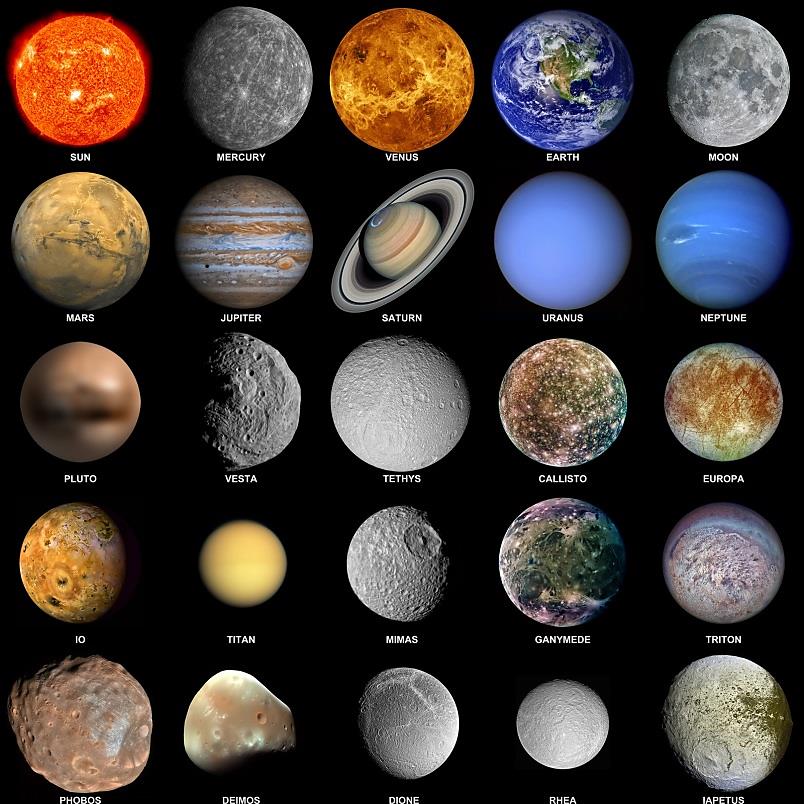
Some time ago I wrote a blog about poor Pluto – the planet that was a planet, and then it wasn’t annnnnd … now it looks like it may, once again, be reinstated as a planet.
Confused as I am? It’s no wonder. Imagine how the planet / non-planet feels?
As a popular meme doing the rounds says, ’So you dumped me years ago, now you’re driving round my house real slow?’
I looked up the current arguments about the planetary / non-planetary arguments and to be ferpectly honest, they’re a little too highbrow for little old me.
In the previous blog, I outlined the criteria as to what defines a body being termed a planet.
Currently though, it seems that although Pluto may not make it to the big timey big planet status, it does meet enough of the criteria – it’s round and it also has moons and a thin atmosphere – for it to be classified as a dwarf planet.
Now, I don’t know about you, but if I were initially classed as a proper planet, then declassified as a not a planet at all and then classified again as a dwarf of what I previously was, I wouldn’t be pleased. I may just detach myself from my many moons and orbit, and wreak some heavy duty comet type damage on those who called me dwarf – see if they called me small then!
But then, that’s me.
You’ll have to excuse me now, as I’m off to the water cooler. I’m going to set up opposing soapboxes – one all for Pluto being rightfully termed a fully-fledged planet and one for the naysayers. If you’re going to do similar, I’d suggest wearing some type of armour – things could take a nasty turn.
by Fern Shaw | Aug 24, 2015 | Water Boilers, water cooler
Let’s fact check here for a moment.
This is a blog page.
The running (aha) theme is generally about all things watery.
There’s heaps of information about the supply of water and how we deliver said water to you, dear customer, through the provision of our spankingly smart range of:
Bottled Water Coolers
Mains Fed Water Coolers
Water Boilers
Hotel and Catering Solutions
Water for Schools
Water Fountains and
Accessories
so, it’s important to keep you informed about the importance of drinking water; to advise about how to keep from becoming dehydrated (occurs more often and easier than you might think); what to drink; how often to drink it and in general; how to keep yourself healthily hydrated.
But the one question I don’t think I’ve asked as yet is: What makes you thirsty?
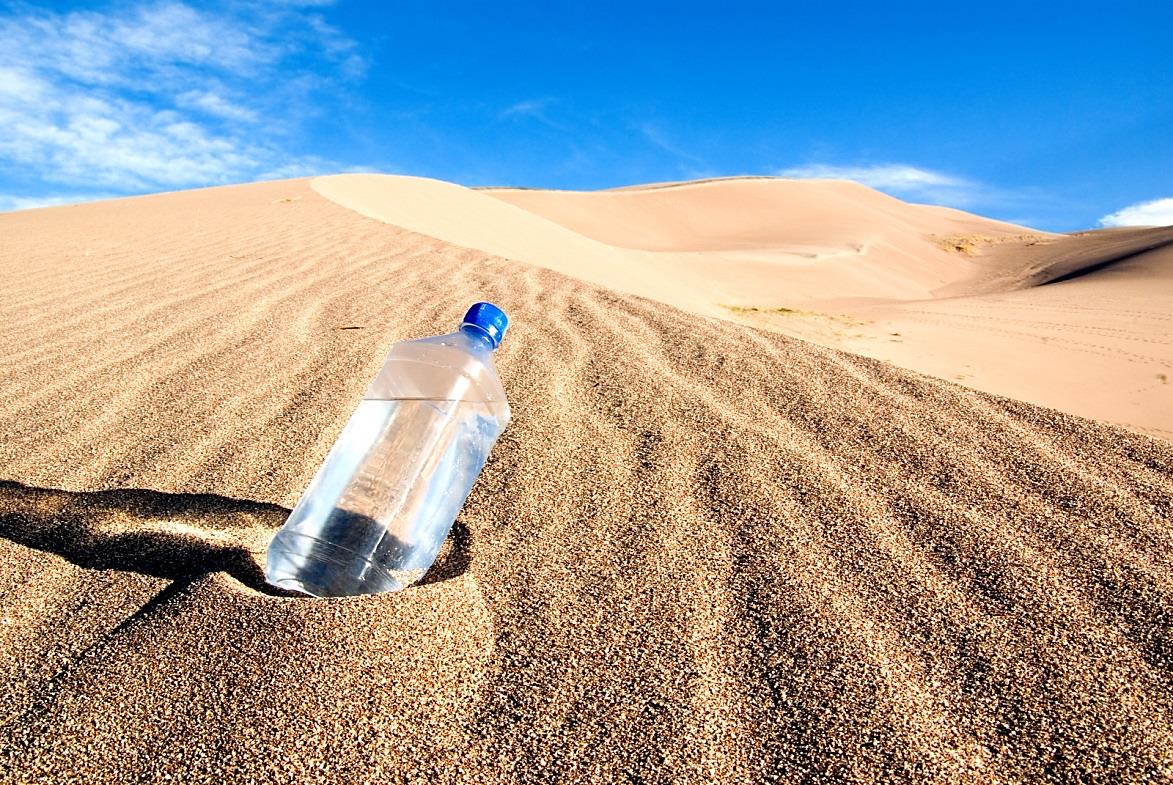
Are you like me where when you go to the pictures, it’s not officially an occasion unless you have a bucket of very over-salted popcorn and then when your tongue swells up and you feel like you’ve been eating dry desert sand, you wonder why you are so thirsty?
or, are you more of a be out all day in warm weather, keeping active, running from place to place, sweating a bit and wait-until-the-last-minute where you’re absolutely parched and then you guzzle fizzy drinks (packed full of bad sugars) which will probably make you more thirsty than before you drank them.
or, do you load up on the Chinese or American fast food which is packed with too much salt (and then you still add loads of salt to your meal or chips) and again, wonder why you’re feeling so thirsty?
Whatever your thirst metiér is, I’m sure it doesn’t help realising that most of our extreme thirst is self-imposed. Us humanoids, such silly beings, aren’t we?
by Fern Shaw | Aug 24, 2015 | Uncategorized
Last week, we sent a mailer to all you wonderful people with 4 different articles, one of which was a quick quiz. Gauging the response to these articles, it seems the quiz came up trumps. I found this very interesting. Humanoids like to engage, one and two, like to be asked their opinion. Hm.
With this in mind I’ve devoted this week to preparing blogs that mystify, question and challenge (okay, perhaps that’s a little strong, but then you know me – all about the drama). In this blog we look at facts that have been around for yoinks, except, as it turns out, they aren’t actually facts.
Frankenstein was the name of the monster in Mary Shelley’s book.
Frankenstein is actually the name of the monster’s creator.
Coffee is made from beans.
A coffee bean is a seed of the coffee plant, and is the source for coffee. It is the pit inside the red or purple fruit often referred to as a cherry. Even though they are seeds, they are referred to as ‘beans’ because of their resemblance to true beans.
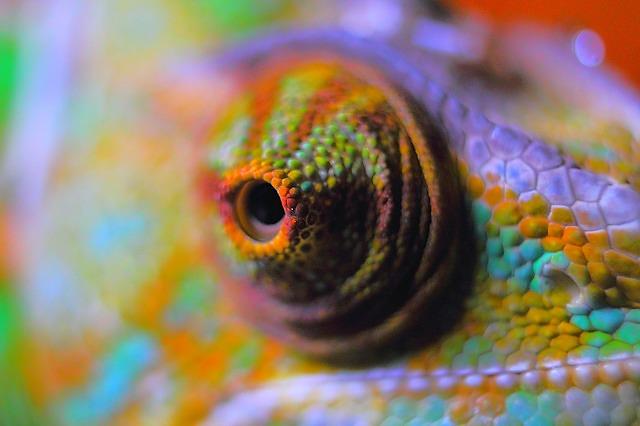
Chameleons change colour to match their surroundings.
They change as a response to mood, temperature, communication and light, not the object they are touching.
Peanuts are a type of nut.
This is incorrect. They belong to the plant family, Leguminosae.
Your blood is blue before it’s oxygenated.
Not true – human blood is always red.
When in London, you are merely 6ft away from a rat.
This is just a rough estimate as rodents are not evenly spread.
Tomatoes are a vegetable.
While the Supreme Court of the United States did rule that tomatoes are vegetables in the legal sense for the purpose of taxation (Nix vs Hedden), they did not claim they are vegetables in any botanical sense. They are still fruits.
Now you know. Amaze your friends and colleagues around the water cooler station. Your street cred will increase exponentially. (Unless, of course, people will think you’re just showing off. Can’t help you with that, sorry!).

by Fern Shaw | Jul 31, 2015 | water cooler
Caught me by surprise too – smoaster – what the hey does that mean, I asked myself? Being all things food and drink, I though perhaps it was something to do with s’mores or boasting at the water cooler, but it isn’t. Apparently, it’s unnecessary boasting on social media, which begs the question – is there any boasting on social media that is necessary? Probably not, I suppose.
Examples of smoasting would be something like:
* Having a great day! Not vs. having had a bad day previously, but just trumpeting for no rhyme or reason that you’re having a great day. Necessary? Not likely.
*Smoasting repeatedly about your session at the gym, ’Did abs today!’ or ‘Shoo, some workout’ – again, probably unnecessary.
*Boasting about your child’s achievements, no matter how mundane or insignificant to others. Your 19 month old just counted to 10. Something to be proud of? Absolutely! Necessary to smoast about? Again, unlikely.
Consistent self-congratulatory smoasting is bad enough, but smoasting about your children could be potentially dangerous.
I wonder whether our need to feel liked and accepted overcomes our common sense in such instances. If you’re posting endlessly about your new born; toddler or worse, setting them up with their own social media account, is this akin to displaying your child on a huge billboard in Hyde Park? And if it is, would you do so?
Perhaps I’m being a little serious and Mother Grundy about this, but perhaps, also, this is something to consider when you’re next tempted to smoast about every single minutia in not only, your own life, but that of your kids.
As for me, I’m heading up to the water cooler to smoast about how I learnt a new word today. Trendy, me!
by Fern Shaw | Jul 31, 2015 | water cooler
Having a great love of all things English – the language itself, the gram-mar, pronunciation, etc. – I’m always interested in the foibles and eccentricities that I hear about or read. In particular, I often wonder where certain expressions originate from and how they are propagated.
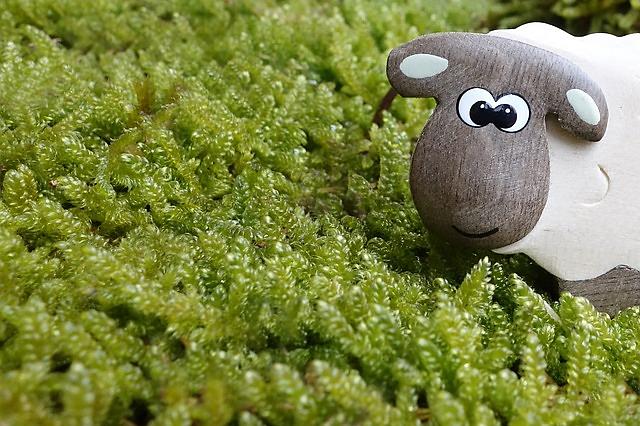
Like how did counting sheep become synonymous with falling asleep? And who coined the expression, ‘I should cocoa’?
According to Wiki, using sheep as a method of counting originates from ‘a story of counting sheep in the early twelfth-century Spanish work Disciplina Clericalis. The section – The King and his Story-teller – uses the idea of counting sheep humorously.’ Many centuries later this morphed into the repetitiveness of counting sheep as an idea to lull one into sleep.
‘I should cocoa’ – Two trains of thought (see? there’s another one!) here:
- Some believe this idiom comes from ‘I should think so’, but is normally used sarcastically to mean the opposite.
- This earnest if baffling expression of agreement comes from cockney rhyming slang. The phrase when used in full is “I should coffee and cocoa”, meaning “I should say so”.
(Know your) onions – An early editor of The Oxford English Dictionary was Charles Onions, and it became a compliment to say that someone knew as much as Onions. However, there is a rival belief that the expression derives from cockney rhyming slang, where instead of saying a person knew a lot of things, they’d say he knew “a lot of onion rings”.
Vent your spleen – Before modern medicine, it was held that particular organs were the ‘seat’ of certain emotions. The spleen was thought to be the origin of a person’s ill-humour, bad temper and mirth. Over the centuries, the mirth somehow became forgotten and only outbursts of bad temper are now blamed upon the spleen.
Then, there’s one of my favourites:
Bob’s your uncle – In 1885, Prime Minister Robert Cecil appointed Arthur Balfour as President of the Local Government Board and, the following year, Secretary for Scotland with a seat in the cabinet. In 1887, Balfour was given the highly prestigious post of Chief Secretary of Ireland. Did this effortless rise owe something to the fact that Robert Cecil was Balfour’s uncle? Many people thought so, and we acquired today’s handy expression for cause and effect.
Would be especially fun if I did have an Uncle Bob, but sadly I don’t. (I did, however, for years, say that the actor, Robert Shaw, was my uncle, but that’s a whole other story).
So here’s some fodder for you to share on your water cooler runs. People will think you’re all that with this knowledge tucked under your elbow. See? There’s three more, right there! Gosh, you’re clever!