by Fern Shaw | May 17, 2023 | water cooler, Water Coolers
It may seem simplistic that water consumption can reduce or increase one’s anxiety however, considering water constitutes 60–80% of the human body, this isn’t such a far stretch.
In fact, the evidence shows water and hydration can play a role in preventing and managing the symptoms of anxiety.
A review by researchers focused on the various ways hydration impacts health. **
One trial induced mild dehydration and found increased reports of tension or anxiety and fatigue in participants.
When researchers increased the participants’ water intake, people in the study felt more happiness, no matter how much water they normally drank.
Another large study found people who drink five cups or more of water per day were at lower risk of depression and anxiety. In comparison, drinking less than two cups per day doubles the risk. This link was less noticeable for anxiety alone (although feelings of depression and anxiety often influence each other).
Whichever way we look at the research results, it shows that drinking water regularly can only contribute to one’s mental health and overall a better feeling of wellbeing.
source* Joe Pindar – report at Champion Health
source** Nikolaij Travica – article at
by Fern Shaw | May 10, 2023 | Water, water cooler
I’m sure you all have a fair inkling about some elements of what your carbon footprint is and have implemented, in your own way, certain strategies on how to lessen that footprint.
But are you at all aware of what the water footprint is for each bit of food you consume?
Here are the water footprints for a few foods that may surprise you – making it high time perhaps to get the most out of your allotment or even your windowsill gardens for that matter.
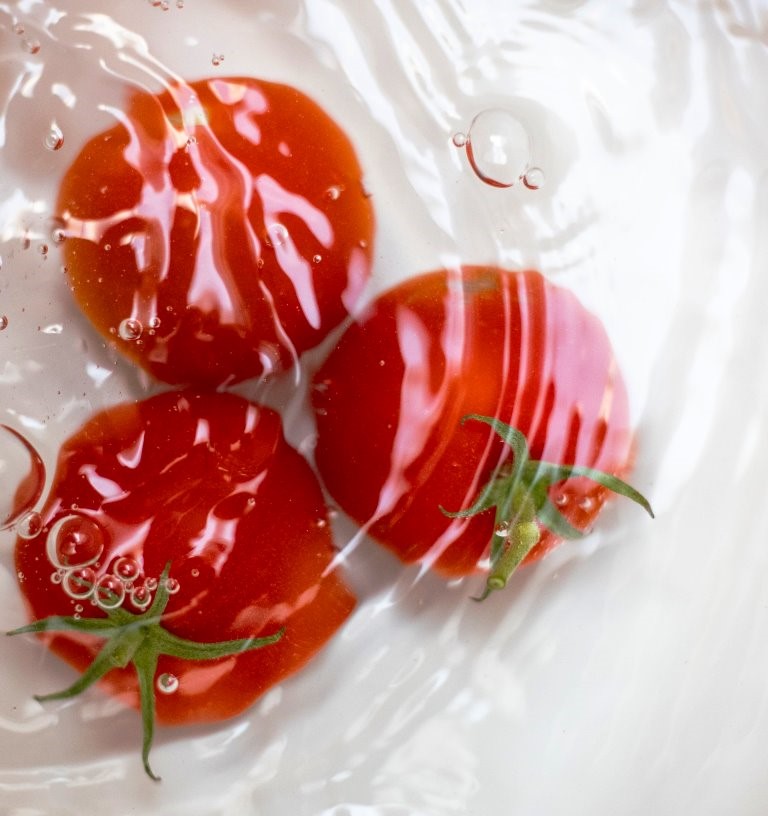
- Tomato: On average, one tomato (250 gram) costs 50 litres of water.Tomato sauce / ketchup costs 530 litres of water per kilogram of tomato ketchup.
Tomato puree costs 710 litres of water per kilogram of tomato puree.
- A pound of lettuce = 114 litres
In general, vegetables take much less water to produce than animal products: That’s where the Meatless Monday suggestion comes in. There’s no need to go vegan but every bit helps. Lettuces’ water footprint for the UK can be a lot higher as the produce can need to be brought in for consumption from other countries in the winter months.
- A kilogram of chocolate = 17 000 litres
On average, cocoa beans have a water footprint of 20 000 litres/kg. Cocoa beans are first made into cocoa paste, with cocoa shells as rest product. About 97% of the total water footprint of cocoa beans is allocated to the cocoa paste that is derived from the beans; the rest is attributed to the by-products. One kilogram of cocoa beans gives about 800 gram of paste, so that the water footprint of cocoa paste is about 24 000 litres/kg. From this we can calculate that chocolate has a water footprint of about 17 000 litres/kg.
- A slice of pizza = 159 litres of water
That would be 68 litres for the flour, 79 litres for the cheese, and nearly 11 for the sauce. Mozzarella, it turns out, is a real water sucker, as is any animal product. Of course, this is the global average, and water use per slice varies from country to country. French pizza has less than half this footprint, the US just about hits the average mark, and Chinese pizza is slightly more waterlogged.
Obviously, you can’t live on water alone (although it’s super important to ensure that you drink sufficient water), but perhaps spare a thought in future about where your food comes from.
*excerpts from Waterfootprint.org
by Fern Shaw | May 20, 2022 | Water Coolers
Thankfully, the importance of bees has been highlighted for years now. In case you’ve missed the buzz, here are a few facts:
- According to the Food and Agricultural Organisation of the United Nations, approximately 80% of all flowering plants are specialised for pollination by animals, mostly insects (which includes bees). Pollination is crucial because many of our vegetables, fruits and the crops that feed our livestock rely on it to be fertilised, so without it, we could go hungry. Vegetables such as broccoli, asparagus and cucumber rely on the pollination of bees, as do apricots, strawberries, apples, tomatoes and almonds.
- While there are other methods of pollination, including by the wind, birds, bats and other insects, wild bees are among the most important pollinators because they are capable of pollinating on a much bigger scale. It is estimated that it would cost farmers in the UK an incredible £1.8 billion per year to manually pollinate their crops, which just further emphasises the importance of bees.
Aside from the critical role bees play in food and crop pollination globally, water is, as with all creatures, vital to the bees’ survival.
No matter your environment, you too can help create a bee friendly zone and provide safe access to water. As bees cannot swim, a shallow water container outside loaded with pebbles or corks on which the bee can perch and drink would be ideal.
The intelligence of bees is undisputed; they even have a code they share when they find a good source of food and water. Known as the ‘waggle dance’, it’s a clever way of communicating between themselves to tell their nest mates where to go to find the best source of food and water. It took the researchers at Sussex University two years to decode the waggle dance.
Now you have this information on board, you can do your bit to create a hydration station for these furry, striped, winged miracle workers and look after yourselves by making sure you replenish your drinking water often at your water cooler station.
sources: The Bee Gardener ; WWF ; Woodland Trust
by Fern Shaw | Apr 15, 2022 | aquaid, Water, water cooler
In spite of what has almost become an AquAid tradition of writing an Easter themed blog and the role water plays at this time of the year, we’re constantly amazed there is more to discover out there with an (usually traditional) Easter/water connection. As well as other unusual traditions and events that is.
In previous blogs, we referred to traditions such as in Switzerland, people decorate wells and fountains leading up to Easter. Decorating a well symbolises the honouring of water, which is essential for life, and Easter, the feast of renewed life.
In another, we looked at where every Easter, hundreds of thousands of Norwegians indulge in crime fiction, known in Norwegian as påskekrim (Easter crime).
This year we discovered ‘l’eau de Paques’, or ‘Easter water’. The purity, healing and restorative powers of any water collected from any moving brook, stream or river in the hours* before sunrise on Easter hearkens back to a Catholic ritual performed in France hundreds of years ago and reaching as far as Quebec, and still performed today.
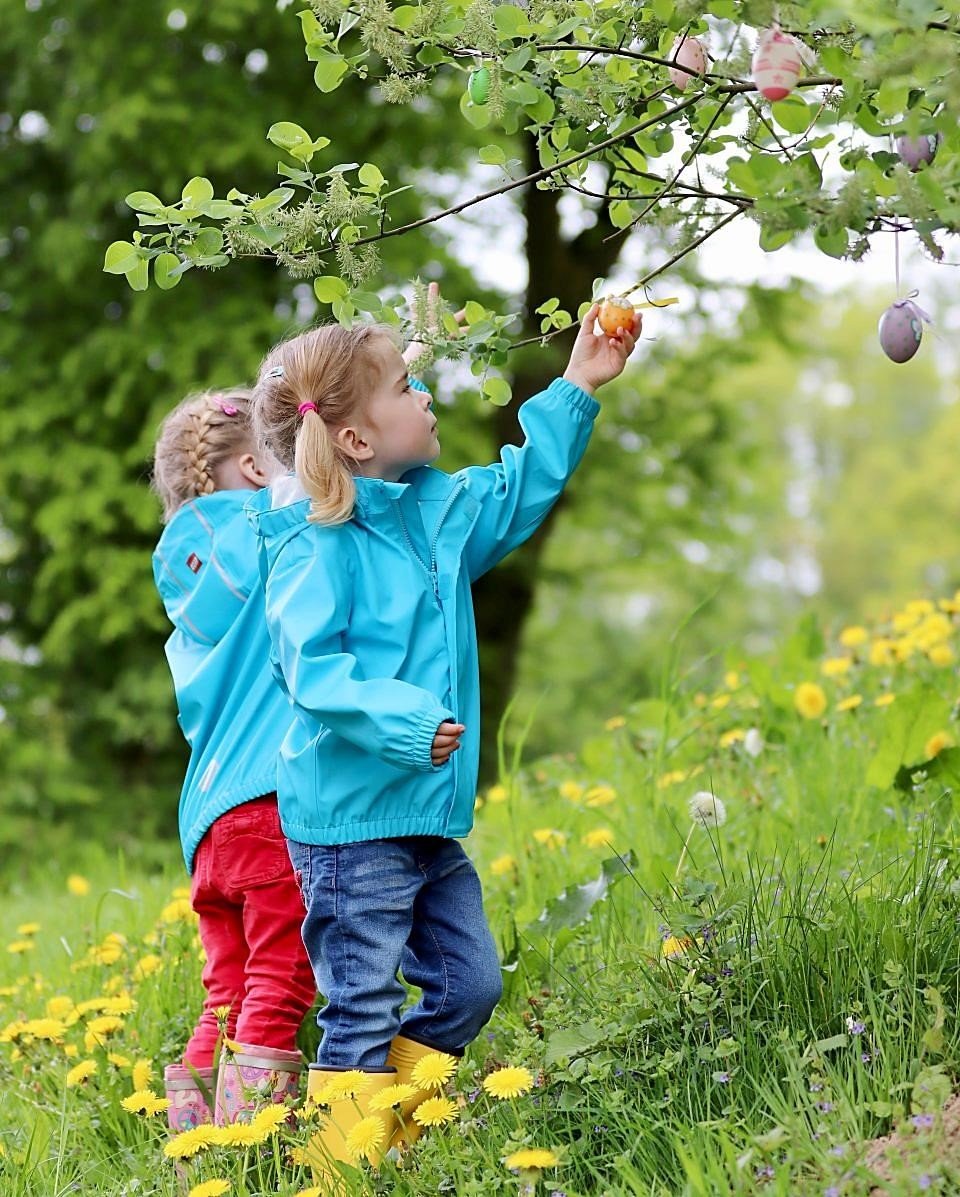
Egg rolling began in Central Europe and the United Kingdom and in Preston, eggs have been rolled for more than a century and a half. According to a Lonely Planet article Avenham Park, whose grassy slope is the perfect stage for children competing to roll their egg the furthest.
Fireworks are common during midnight church services on Orthodox Easter Saturdays in Greece. But on the island of Chios, Easter is incendiary. Two neighbouring parishes hold an annual competition to fire shots at each other’s steeples. Real cannons were used until the late 19th century, but these days homemade rockets are the ammunition for the town’s annual ‘rouketopolemos’ (rocket war).*
Of course, as AquAid is all things water, health and hydration, we do not recommend beginning a local version of the Easter rocket wars. What we will do is wish you all a peaceful and blessed Easter, however you choose to celebrate it.
*source: article Bangor Daily News
*source: article Lonely Planet

by Fern Shaw | Jan 13, 2022 | Water, water cooler
“You can tune a guitar, but you can’t tuna fish. Unless, of course, you play bass.” – Douglas Adams
With the all-encompassing advent of our world online, I have been wondering for some time now if puns are the things of beauty they once were. Post millennium there are more social media pun dedicated pages than you could shake a stick.
One cannot help but think that if puns are becoming obsolete (by the mere fact that there are just too many of them being churned out to be of any relevance) are the other witty extensions of language also on the slippery slope to obsolescence?
While you ponder this, we’d like you to consider the raison d’être behind the rather pun filled headline of this blog.
As I’m sure you’ve gathered, what we’re asking (a perennial favourite) is are you adequately (AquAidly) hydrated? If not, why not? Is it because you’re unsure of what qualifies as adequate hydration? Well, there we can help.
Being as we are a water and water cooler provider of some 23 years, it’s our business to know all about proper hydration. We’re constantly checking to ensure that we’re up-to-date about all things drinking water related.
One of the ways that we pass on this information to you, dear online reader, is by providing a quick reference guide at our website. That’s here.
Aside from that, we have over 22 AquAid branches throughout the UK, staffed by highly experienced water knowledgeable teams who are well equipped to provide you with the best water provision solution – tailor-made to suit your hydration requirements.
We can’t, of course, make you hydrate properly as that’s certainly up to you. We’re also not using the terms – lead-horse-water-drink in here, perish the thought – but we are hoping that you recognise for your own health and well-being how important it is to make sure that you are aware that in order to perform at your peak -whether at work, school or play – you need to be adequately (AquAidly) hydrated.
We would love to be able to assist. Contact us today.