by Belinda Ollewagen | Jul 29, 2019 | water cooler
As adults we know when we’re feeling the effects of a heat wave and dehydration, we know it means making far more regular trips to the water cooler and canteen, we know it means conserving our energy; but with children it’s a lot more challenging.
Children don’t perspire as much as adults do, which means their bodies are inclined to overheat more quickly. They don’t always act on their thirst mechanism, which may also not be fully developed in some cases. And they don’t know how to conserve energy, most children generally move at one speed – hyper speed.
So how are you to keep children safe during heat waves like the one we’re just coming out of?
- To begin with, don’t wait for them to start showing signs of fatigue and lethargy – by then it’s too late and they may already be dehydrated, instead give them water at regular intervals during the day.
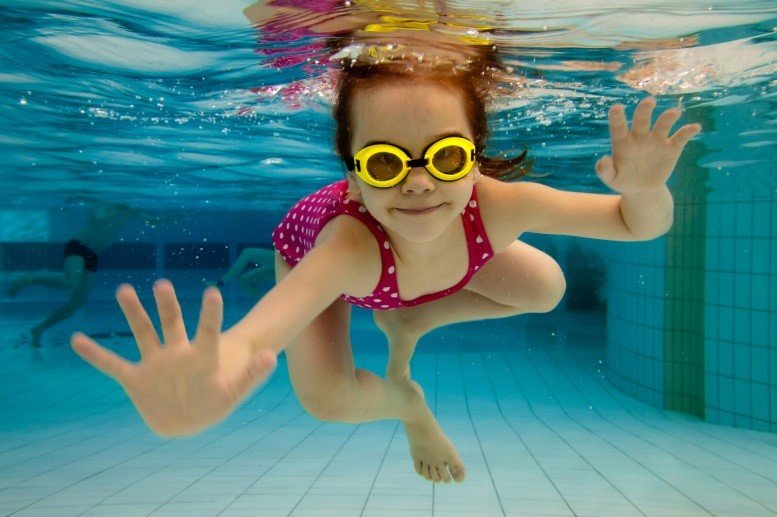
- Keep time outdoors limited, unless it means paddling or swimming in a pool, but even then you’ll need to keep a watchful eye, because the excitement of water play can initially mask the symptoms of overheating.
- Make water intake fun, add sliced fruits or berries to their water, keep lots of frozen juice lollies and juicy fruits handy – you can also try fancy ice cubes in their favourite superhero shapes and a kiddies water cooler just for them.
- If they’re older and have access to a smartphone (even if it’s yours) or a tablet, then consider using an app that encourages water intake, something like Plant Nanny is ideal because it’s highly interactive – you choose a seedling and help it grow by tracking how much water you drink.
By being careful and ensuring they drink water as regularly as you do, you’ll make sure they breeze through these heat waves without feeling any adverse effects.

by Fern Shaw | Jul 26, 2019 | water cooler, water dispenser
Before we begin our top 5 countdown, it’s good to bear in mind that whatever your water cooler requirements, AquAid have over twenty years of experience in the provision of the right water cooler for your work space: wherever you’re situated and whatever space you occupy throughout England, Northern Ireland and Scotland.
Let’s begin:
- Money saving
While the upfront cost of purchasing a water cooler can be a bit more costly initially, over time you can expect to see significant savings. Water coolers offer an economical way to drink more water. Instead of purchasing many disposable water bottles, you can save money by buying large bottles for your dispenser. If you’re using a mains-fed water cooler dispenser, you can also expect to see significant savings.
- Kinder to the environment
By using a water cooler dispenser, you are helping to protect our environment. We use billions of individual plastic water bottles each year and millions end up in our rubbish each day. By drinking water from a re-usable water bottle and refilling our water bottles from a water cooler, we can significantly reduce this number. This means that you can still enjoy the convenience of having water with you at all times and be safe in the knowledge that you are lessening the harmful impact on the environment.
- Right size – good fit
With the AquAid range of water coolers, space isn’t a concern. Water coolers come in several shapes and sizes, so you can choose a unit that’s sure to fit perfectly in your space. Common models include a free-standing water cooler or a desktop (countertop) water cooler.
Free-standing units are typically larger and are better suited for use in areas where there is more floor space. By contrast, desktop (countertop) water dispensers are usually more compact and are ideal for use in smaller spaces. We even offer Instant Taps: a stylish water dispensing tap with a boiling (and/or) chilling unit discreetly hidden underneath the worktop.
- Drinking Water at perfect temperatures
Many water dispensers come with hot and cold water taps. The cold water is perfect for a refreshing glass of water. The hot water tap offers a quick and convenient way to make tea, coffee, soup, hot chocolate or tea. Some units also offer the option of water at room temperature as an added convenience.
- Stylish appearance
When most of us imagine a water cooler, we only picture a white plastic unit that isn’t the most appealing and won’t complement our kitchen, reception or office areas. Fortunately, this stereotype is no longer true. AquAid’s range of water coolers is available in a wide variety of shapes, sizes and materials. Common finishes include black, white, silver and stainless steel.
by Fern Shaw | Jul 26, 2019 | Water, water cooler
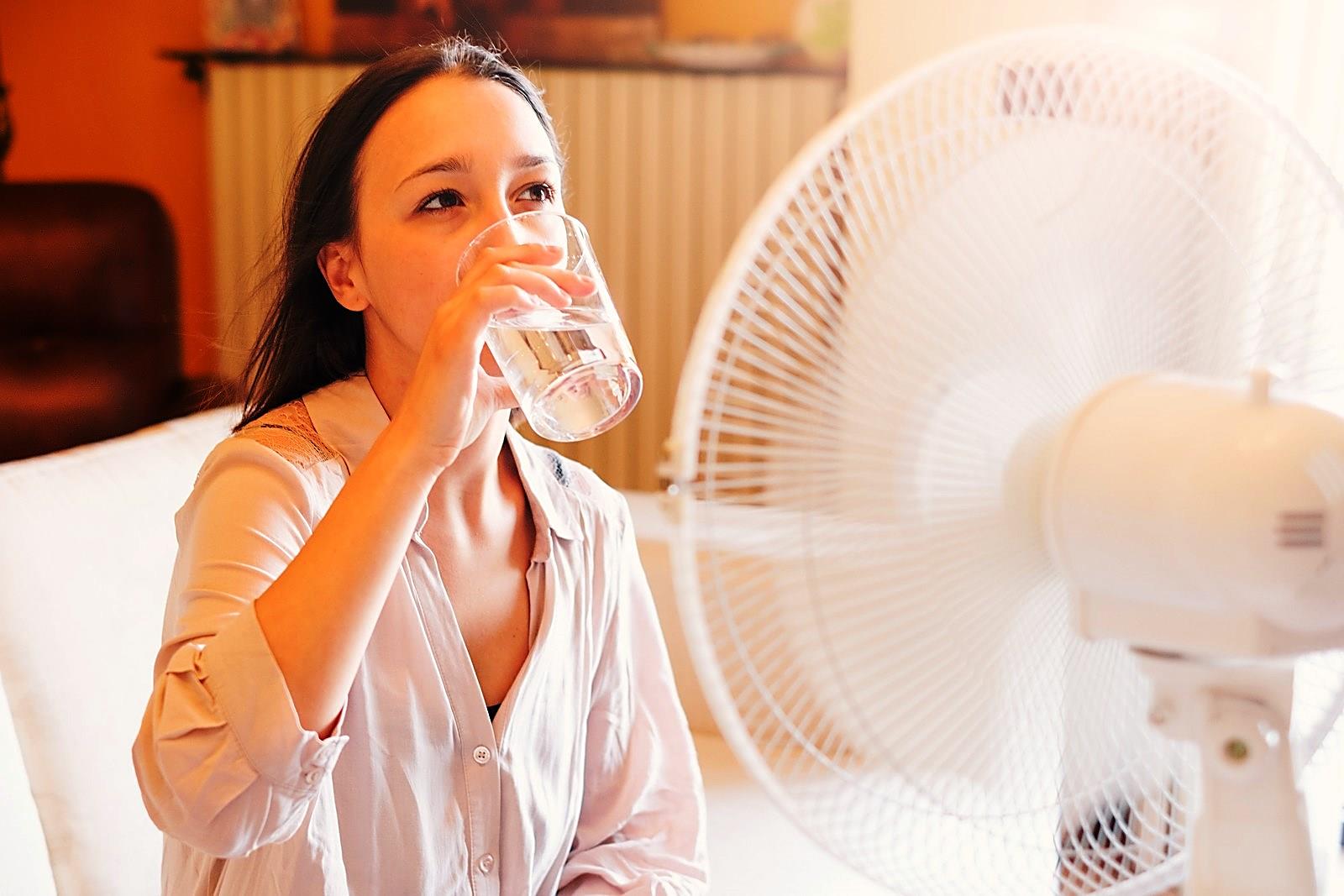
Despite record breaking temperatures expected this week, we’re still often caught unawares as to how the heat affects our ability to stay hydrated.
To help keep us all well hydrated as the temperatures soar, here’s a checklist:
Eight glasses / Two litres
Although the recommended amount is 8 glasses of water a day, this isn’t a proper measurement. Rather look at drinking a minimum of 2 litres of water per day. Increase this daily amount when it’s hot.
Perspiration / Sweat
We tend to sweat more when it’s hot. When we sweat, we’re essentially ejecting water and electrolytes. Hence our body needs to replace the lost water. To lessen the chance of dehydrating, we need to drink more water the hotter we become.
Active / Inactive
Even if you’re not that active, you’ll still perspire when it’s hot. Air-conditioning may cool the sweat from a ‘fevered brow’, but that doesn’t mean you don’t need to drink more water. If you’re exercising, always ensure to drink more water before you begin.
Thirst / Dehydration
By the time you feel thirsty, you’ve already begun dehydrating. Other signs are feeling faint or tired, muscle cramps, infrequent urination and very dark urine. If you are already feeling thirsty, instead of glugging water, rather take small sips.
Being as we are a water and water cooler provider of some 20 years, it’s our business to know all about proper hydration. We’re constantly checking to ensure that we’re up-to-date about all things drinking water related.
For ease of reference, we provide a quick reference guide at our website. That’s here.
Aside from that, we have over 22 AquAid branches throughout the UK, staffed by highly experienced water knowledgeable teams who are more than equipped to provide you with the right water provision solution tailor-made to suit your hydration requirements.
We can’t, of course, make you hydrate properly as that’s certainly up to you. We’re also not using the terms – lead-horse-water-drink in here, perish the thought – but we are hoping that you recognise for your own health and well-being how important it is to make sure that you are aware that in order to perform at your peak, whether at work or play, you need to be adequately (AquAidly) hydrated.
We’d love to be able to assist. Contact us today.

by Fern Shaw | Jul 16, 2019 | Africa Trust, water cooler, Water Coolers
Irrespective of whether or not you believe in climate change, there’s no denying that the stats resulting from the radically changing weather patterns year on year or the crucial drop in natural water supply globally speak volumes:
844 Million People – 1 in 10 – lack access to safe water.
200 Million Hours are spent every day collecting water.
2.3 Billion People – 1 in 3 – lack access to a toilet.
One third of the global population lives without access to a toilet.
The ramifications of these stats and the volume of people it affects can seem quite daunting in terms of how to address this global issue. There is good news though: there are multiple organisations around the world that continue, every day, to provide sustainable solutions to the lack of water as well as adequate sanitation to those in need.
Sustainability may seem like the buzz word of the millennium – bandied about without much meaning, but the truth of it is – sustainability is vital in the provision of water and sanitation to those for who access to water is an ongoing fight for actual survival.
Sustainable water projects are those that include both short term and long term solutions which pave the way forward by enabling a community to begin water related projects that may provide them with a capacity to earn an income or to trade their produce or services to others.
There’s much truth in the adage, ‘Give a man a fish and you feed him for a day. Teach a man to fish, and you feed him for a lifetime’, but before we implement this philosophy, help is needed to provide water to communities that more often than not, do not have the most basic of infrastructures for a steady supply of water.
That’s why here at AquAid Water Coolers we have, since our humble beginnings more than two decades ago, partnered with charities that not only provide emergency relief but also sustainable solutions to poverty around the globe, as is the case with Christian Aid and in the case of the Africa Trust, throughout Africa.
To learn more about the work that these organisations carry out, see how your water and water cooler purchases are making a visible positive difference to others. Alternatively, if you are not yet an AquAid customer, but would like to find out more about how your drinking water translates into sustainable clean water provision for people in need, please contact us: we’ll be delighted to assist.

by Fern Shaw | Jul 2, 2019 | water cooler
Today, 01 July, is International Joke Day. From what I’ve seen online this seems to have produced the lamest jokes instead of those that produce that involuntary snort where you spray your first glass of water or morning cuppa all over your desk.
Perhaps a Monday is not the right day to spring such an event on the unsuspecting though – early Mondays are usually the reserve of tired brains and bodies. There is a solution though – one that will elevate you from ‘chicken crossing the road’ unfunnies to the lofty cerebral wit similar to those of your favourite comedian. All it takes is an increase in water intake, which means more visits to the water cooler.
- For the brain cells to function properly there needs to be a balance between water and various compounds.
- When we fail to drink enough water, this balance is disrupted and there is a decline in cognitive performance.
Also dehydration can cause neural pathways to shut down. As a result, the section of the brain responsible for planning and problem-solving starts struggling.
- There has also been research which shows that staying hydrated helps an individual’s brain to operate faster. Those who drink as little of 500ml of water prior to engaging in mental activities were 14% faster than those who did not drink. If you feel like your concentration is drifting, try drinking a glass of water and your brain will resume normal functioning within seconds.
- Another example of not drinking enough water is low mood swings. Think of it this way – there are two core factors that determine an individual’s mood: energy and motivation. Drinking enough water ensures that you stay energised and motivated.
Now that you’ve wrapped your Monday brain around this wit propulsion information, why not head off to your water cooler , replenish your water and improve the general Monday mood for yourself and your fellow office goers by delivering the best jokes they’ve heard.