by Fern Shaw | Oct 15, 2025 | Water, water cooler, Water Coolers
That rather clever, my dears, is apparently a quote by Leonardo da Vinci. Who he? According to Wiki, this genius was a (don’t hold your breath now) polymath, painter, sculptor, architect, musician, mathematician, engineer, inventor, anatomist, geologist, cartographer, botanist and writer.
To see how truly marvellous water is, I’ve gathered a selection of quotes about water. I think they’re rather lovely:
If there is magic on the planet, it is contained in the water. ~ Loren Eisley
Everywhere water is a thing of beauty, gleaming in the dewdrops; singing in the summer rain; shining in the ice-gems till the leaves all seem to turn to living jewels; spreading a golden veil over the setting sun; or a white gauze around the midnight moon. ~ John Ballantine Gough, A Glass of Water
Water flows humbly to the lowest level.
Nothing is weaker than water,
Yet for overcoming what is hard and strong,
Nothing surpasses it.
~ Lao Tzu, Tao Te Ching
Water is H2O, hydrogen two parts, oxygen one, but there is also a third thing that makes water and nobody knows what that is. ~ D. H. Lawrence, Pansies
When the well is dry, we know the worth of water. ~ Benjamin Franklin
Praised be Thou, O Lord, for sister water, who is very useful, humble, precious, and chaste.
~ St. Francis of Assisi, Canticle of the Sun
We forget that the water cycle and the life cycle are one. ~ Jacques Cousteau
I’d hazard an opinion that water is not just the driver of nature, but ultimately the driver of life. Without water we’d be in a sorry situation very quickly.
Fortunately for us Earth dwellers, we do have water. What we need to remember though is that potable water is becoming scarcer than need be. It is our responsibility to ensure that we protect this, the most important of our natural resources.
At AquAid, we like to do our bit, by providing water coolers that don’t leak or drip, but sit quietly and unassumingly in their designated water cooler area (wherever you decide that may be) offering a constant, consistent supply of refreshing drinking water.
by Fern Shaw | Sep 15, 2025 | Water, water cooler
In 2025, it’s easy to forget that even in the UK, water security is a cause for concern. While globally, around 703 million people still live without access to safe drinking water, the UK isn’t immune to water stress – especially with rising demand and increasingly unpredictable weather patterns. According to the Environment Agency, parts of England could run out of water within 20 years if no action is taken.
And it’s not just about drinking water. Sanitation, water infrastructure and waste are big issues too. The average person in the UK uses around 142 litres of water per day, much of it flushed straight down the loo. That’s a lot of clean, treated water quite literally going to waste.
Add in climate change – drier summers, flash floods, and aging reservoirs – and it’s clear that water security isn’t something we can ignore. Thames Water, for instance, has already had to impose hosepipe bans in some areas and regulators have warned that demand could outstrip supply by the mid-2030s.
Cars That Emit Water (And Nothing Else)
Hydrogen-powered vehicles, once seen as futuristic, are now being trialled across the UK. Companies like Toyota and Hyundai have hydrogen models on the road, with the UK government investing over £200 million in low-emission transport and fuelling infrastructure. These cars generate electricity using hydrogen and oxygen, emitting only water vapour. They’re still rare compared to electric vehicles, but they’re part of a wider clean transport push.
Desalination in the UK?
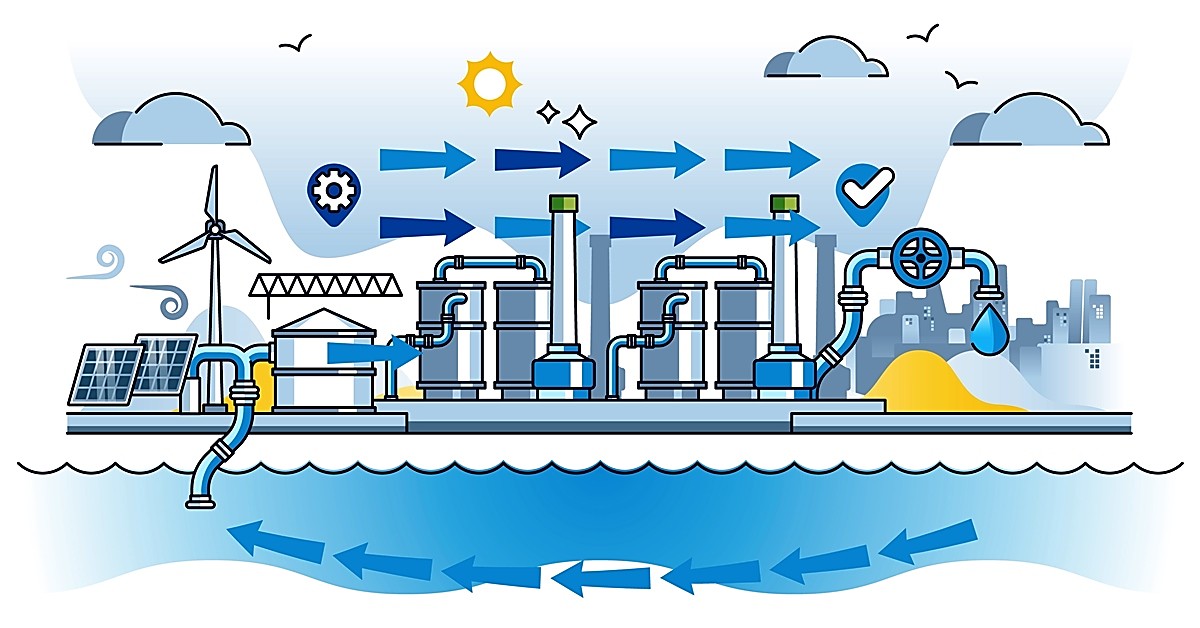
While desalination is still more common in arid regions, the UK does have one major plant—the Beckton desalination plant in East London, which can supply up to 150 million litres of drinking water per day during drought conditions. It’s a backup plan more than a daily necessity, but as climate pressures increase, the role of such technology is likely to grow.
When All You Really Need is a Water Cooler
Still, for most of us, there’s no need to filter seawater or retrofit your car with hydrogen cells just to stay hydrated. Keep things simple by replenishing your drinking water from your water cooler or water dispenser. No desalination or hydrogen tanks required – just good‑old refreshing water. If your office supply isn’t hitting the mark, contact AquAid for cool, convenient hydration you can rely on.
Sources
Environment Agency’s water supply warning: from an article at The Times
Hosepipe bans in the Thames Valley: from Thames Water, Homebuilding
£200 million for low‑emission transport and refuelling infrastructure: from transportldp.co.uk, GOV.UK
£500 million for hydrogen network infrastructure: reported by Government Business
Beckton desalination capacity and usage: from Wikipedia, Everything Explained Today
by Fern Shaw | Sep 3, 2025 | Water, water cooler, Water Coolers, water dispenser
Urology might not be the most talked-about health topic – but perhaps it should be. With half of us likely to face a urology condition in our lifetime, taking care of our urinary health is more important than ever.
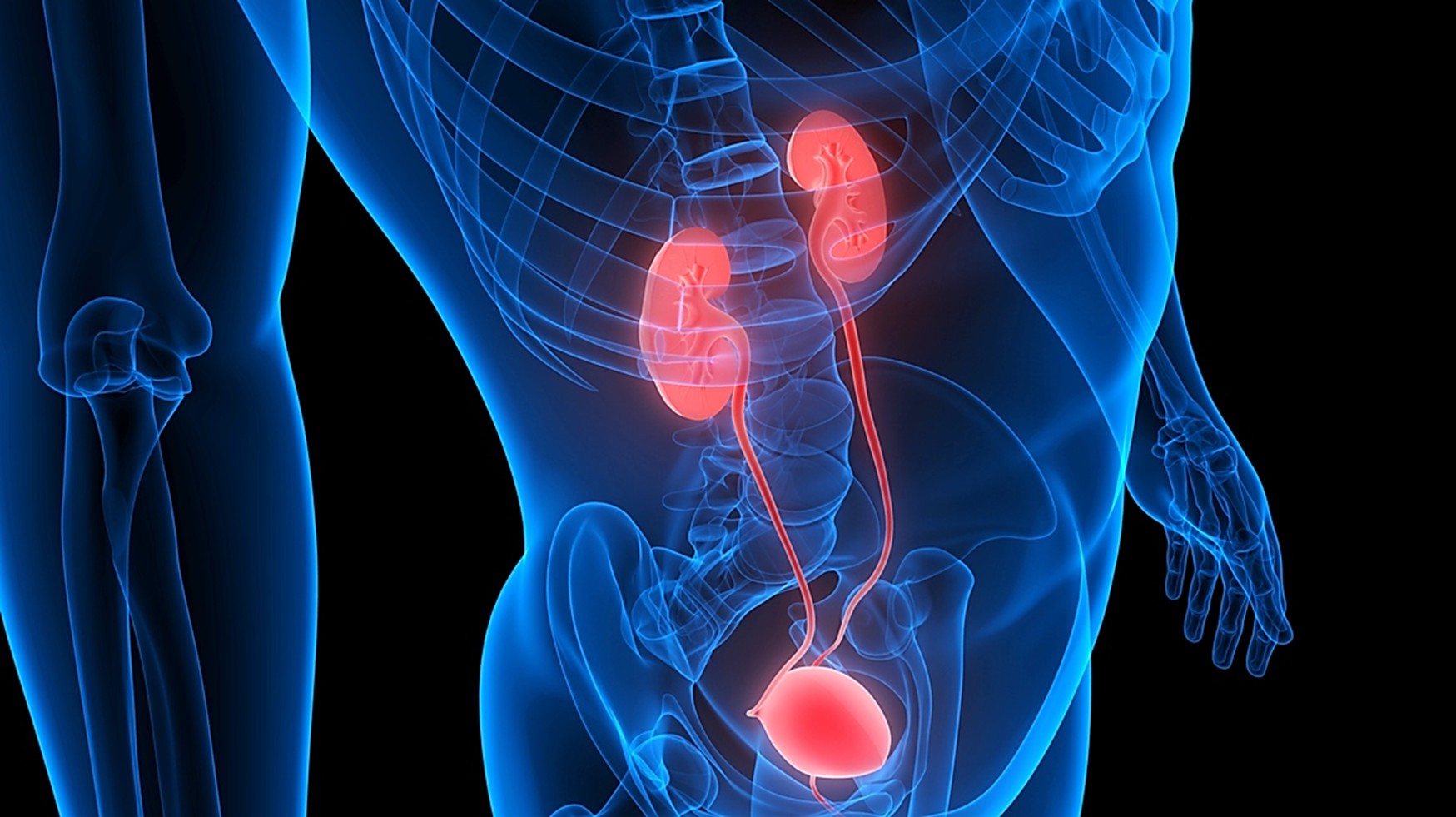
Urology Awareness Month, held every September in the UK, helps bring attention to vital organs like the bladder, kidneys and prostate – and how we can keep them healthy with everyday habits.
And yes, one of the easiest ways to show them some love? Drink more water.
Staying hydrated helps these organs do their jobs – whether that’s filtering waste, controlling urine flow, or maintaining overall balance in the body. Dehydration can lead to all sorts of issues, including kidney stones, urinary tract infections and bladder discomfort.
The good news is you can keep an eye on your hydration with one simple clue: your urine colour. A pale, straw-like colour usually means you’re in the clear. Anything darker might mean your body’s asking for more H2O.
That’s where a water dispenser comes in handy. When fresh drinking water is easy to access – whether that’s at the office, workplace, job site, in waiting rooms, shops, fitness centres, schools or public spaces – we’re far more likely to drink enough throughout the day.
So, this month, don’t just raise awareness – raise a glass of water. Your urological system will thank you for it.
source: The Urology Foundation
by Fern Shaw | Jul 30, 2025 | Health and Hydration, water cooler, Water Coolers
Staying properly hydrated ensures that all of your bodily functions are … well … functioning. You can only go three days or so without water, and as your body loses its hydration, you will experience all kinds of awful side effects. Dehydration can cause irritability, lethargy, dangerously low blood pressure, rapid heart rate, headaches, shock, and even death.
The average adult can usually maintain proper levels of hydration by drinking enough water. That being said, extreme heat or exertion can be draining on even a healthy adult. Kids and the elderly are more susceptible to extreme dehydration than the average adult … so if you have kids or older adults in your life that are important to you, the tips outlined below can be especially important for them (and for you!)
- Pick the right water.
As a general rule, try to avoid hydrating beverages that have added sugar. In addition to having fewer calories, it’s important to choose hydrating beverages that don’t have sugar in order to prevent spikes in insulin levels. Going into a sugar crash compounded with the already-unpleasant sensation of dehydration, is not the way to go. Plus, if you happen to be sick with diarrhoea during a hot summer day, sugary beverages can actually worsen your symptoms.
- Snack on the right foods.
Fresh veggies and fruits are good snacks this time of year, and not just for dieters. Fresh produce has a very high water content, so it’s a great way to hydrate without having to drink a ton of water. For example, an apple is up to 85% of water by volume.
Pickles (and pickle juice) are higher in electrolytes than beverages like Liquid Power or Powerade, and have been shown to reduce cramping cause by exertion in high temperatures. The acetic acid in pickles and pickle juice are considered superior to the citric acid found in commercial sports drinks, at least when it comes to rehydration properties.
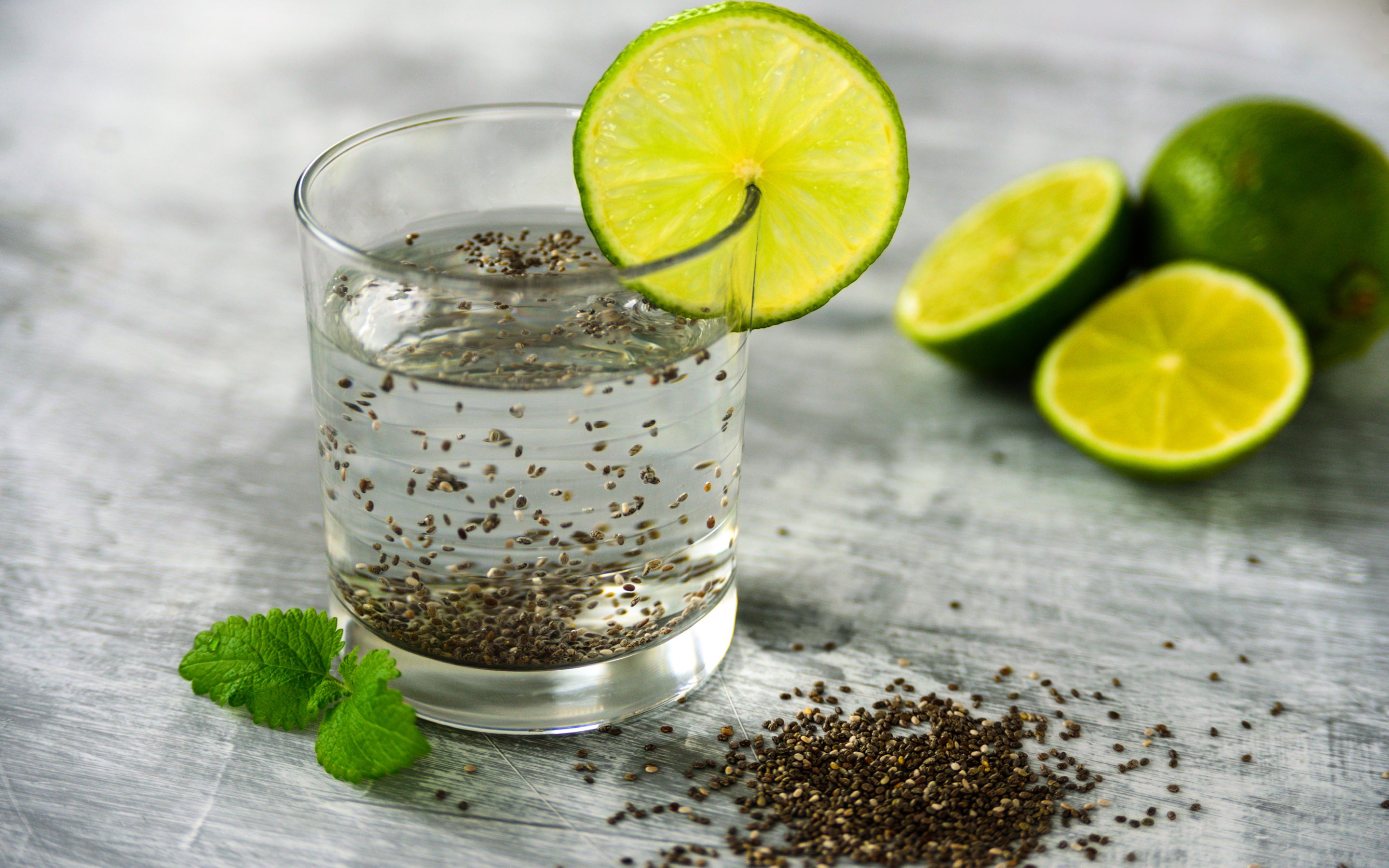
Another food you should add into your diet when staying properly hydrated is a concern are chia seeds. In addition to being high in protein, the seeds themselves help you to retain water by absorbing many times their own weight in water. If you can’t find the actual seeds, you may be able to find a chia seed gel at runner’s/sporting goods or health food shops.
- Drink constantly, not occasionally.
You should be constantly drinking fluids, rather than guzzling multiple litres of water all at once.
Another way to explain this (in a rather radical comparison) is when you go to the hospital and get an IV drip, it’s a DRIP … meaning that you get a slow but steady introduction of fluids. You never see anyone getting an IV drip at the speed of a gushing fire hose.
It is better to have frequent, small amounts of fluid … especially if the dehydration is severe. Too many fluids at once can induce stomach upset or vomiting.
The amount of water you need in a given day depends on the environment, your activity level, and what other food and drink you have consumed.
Break up that amount of water into a cup or so every hour, and you’ll have a good, healthy intake of water. Drinking too much water in a very short period of time can put too much strain on your eliminatory processes, so finding the right balance is important.
- Avoid diuretic behaviours.
Don’t do anything that you know will dehydrate you. In addition to exercise, also watch out for alcohol and caffeine. You might feel groggy when you get to the office … avoid your usual The Hulk sized mugs of coffee and go for a large glass of water. You might be surprised at how much more effectively the water perks you up.
- Make it easy on yourself.
It’s hard to stay hydrated when you don’t have water nearby. At the office it should be easier – and practically impossible to avoid if you have a water cooler on the premises.
If you don’t, speak to the powers-that-be and ask them to drop AquAid a line, so that you get your water cooler tout suite.
Chia!
Frequently Asked Questions
What are the best types of beverages for hydration?
The best beverages for hydration are those without added sugars. Sugary drinks can cause spikes in insulin levels and may worsen dehydration symptoms, especially if you’re unwell. Water is the most effective hydrating beverage, and it’s calorie-free, making it an ideal choice for maintaining hydration.
In addition to water, drinks like herbal teas or infused water can be good alternatives. They provide flavour without added sugars. Avoid caffeinated or alcoholic drinks, as they can have diuretic effects, leading to increased fluid loss.
What behaviours should be avoided to prevent dehydration?
To prevent dehydration, avoid behaviours that lead to fluid loss, such as excessive caffeine or alcohol consumption. These substances have diuretic effects, increasing the need to urinate and leading to fluid loss. Exercise can also contribute to dehydration if fluids are not replenished adequately.
Instead of reaching for a large coffee when feeling tired, try drinking a glass of water. You might find it more effective in boosting alertness without the dehydrating effects of caffeine. Being mindful of these behaviours can help maintain proper hydration levels.
How can chia seeds aid in hydration?
Chia seeds are highly effective in aiding hydration due to their ability to absorb many times their weight in water. When consumed, they help retain water in the body, making them a valuable addition to your diet for staying hydrated. They also provide a good source of protein.
If you can’t find chia seeds, chia seed gel is a great alternative and can often be found in health food shops or sporting goods stores. Incorporating chia seeds or gel into your diet can support your hydration efforts, especially during hot weather or intense physical activities.
What should you do if you experience dehydration symptoms?
If you experience symptoms of dehydration, such as headaches, dizziness, or lethargy, it’s important to start rehydrating immediately. Begin by drinking small amounts of water or an electrolyte-rich beverage to replenish lost fluids and electrolytes. Avoid sugary drinks, which can exacerbate symptoms.
If symptoms persist or worsen, seek medical attention, as severe dehydration can lead to serious health issues. Prevention is key, so aim to drink fluids consistently and monitor your hydration levels, especially in hot weather or during physical exertion.
How can foods help with hydration?
Certain foods can significantly contribute to your daily hydration needs. Fresh fruits and vegetables, such as apples, cucumbers, and watermelon, have high water content, making them excellent choices for staying hydrated. These foods not only provide water but also essential nutrients and vitamins.
Pickles and pickle juice are also beneficial due to their high electrolyte content, which can help reduce cramping caused by exertion. Chia seeds are another great option, as they absorb water and help retain hydration in the body. Incorporating these foods into your diet can support your hydration efforts.
by Fern Shaw | Jul 30, 2025 | Water, water cooler
For the last few (gloriously hot and sunny) weeks, the focus has been on how to stay hydrated when it’s hot. But before everyone gets carried away filling paddling pools, pressure-washing patios and watering every leaf in sight, a stern internal voice (think Sergeant Major, broad as Stockton, moustache bristlier than Bristol) barked: “Water conservation at all costs, people!”
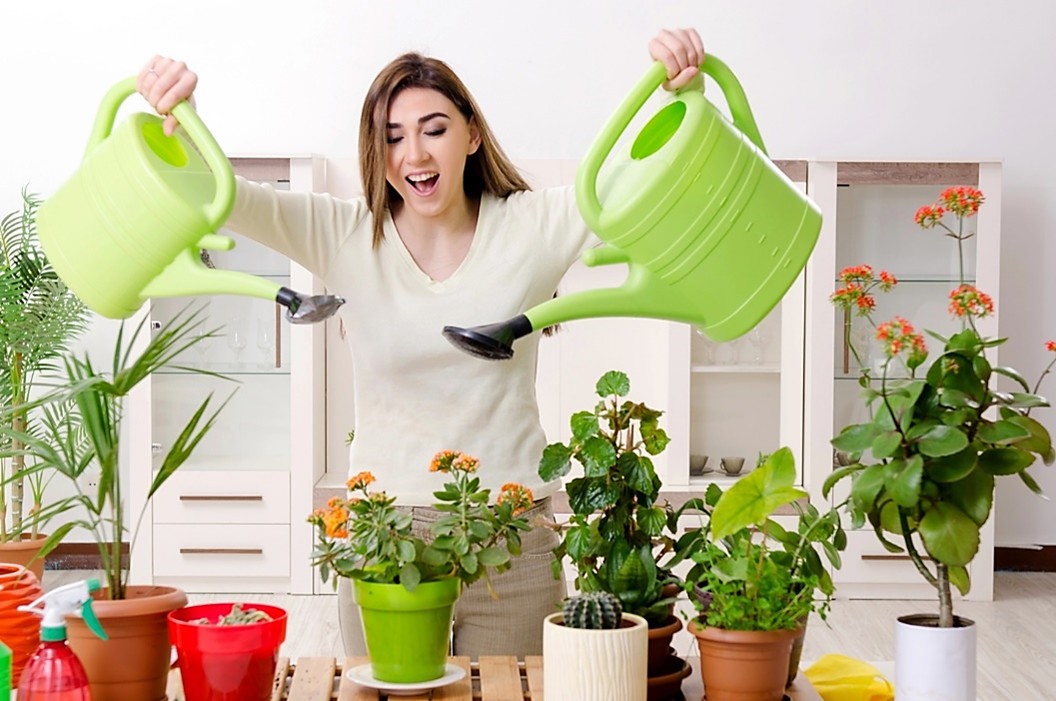
So now we have our hydration sorted, the focus shifts from personal hydration (still important, mind) to looking after our green spaces without soaking the planet. Here are six simple, sensible ways to keep your green spaces thriving while still being kind to water supplies:
- Raise That Mower Blade – Cutting the lawn too short in hot weather is like sunbathing without sunscreen. Set the mower to a higher level – taller grass shades the roots and helps the soil retain moisture.
- Sprinkle with Purpose – Sprinklers are best for large patches of grass. For smaller areas or container plants, a watering can (or even a humble cup) is much more precise – and far less wasteful.
- Avoid the Heat of the Day – Midday watering does more harm than good. The heat can cause water to evaporate before it even hits the roots – or worse, scorch the leaves. Early morning or evening is best.
- Inspect Sprinklers Like a Pro – Leaky valves or clogged heads? That’s water literally down the drain. A quick once-over every few days can save litres – and your lawn will thank you.
- Skip the Windy Watering – Watering on a blustery day is a bit like trying to drink from a straw in a hurricane. Most of it misses the mark. Save it for a calmer moment.
- Choose a Smarter Fountain – Fountains that trickle, or cascade lose less to evaporation than those that spray into the air. And during hotter spells, it might be best to switch them off – unless, of course, they’re affordable water fountains or essential for visiting wildlife.
And a final word from around the Water Cooler
As tempting as it may be, please don’t take a jug from the office water cooler to douse your flower beds – unless it’s for your prized bonsai that lives in the shaded corner of the conference room. (We see you, Bartholomew Bonsai from Finance.)
Because whether it’s a heatwave or just another sunny spell, conserving water is always in style – and the Sergeant Major wouldn’t have it any other way.