by Fern Shaw | Mar 9, 2026 | water boiler, Water Boilers, water cooler, Water Coolers, water dispenser
Building on a previous instalment from 2016, we leap forward to 2024 to find out how the British appetite has evolved over the last eight years. While the original 1970s data gave us a baseline, the recent shift from 2016 to today reveals a nation rapidly refining its palate and its priorities.
According to the latest Family Food data released by Defra, our plates tell a story of convenience, health-consciousness and a complete reimagining of the British staple.
Beyond the Pint of White
In our 2016 update skimmed milk had overtaken whole-fat. Fast forward to 2024 and the traditional dairy pint is in a steeper decline than ever. It’s no longer just about the fat content; we are now a nation of dairy alternatives. Oat, almond and soy variants have moved from niche health shop finds to fridge essentials, reflecting a broader shift toward plant-based living.
The Air Fryer Revolution
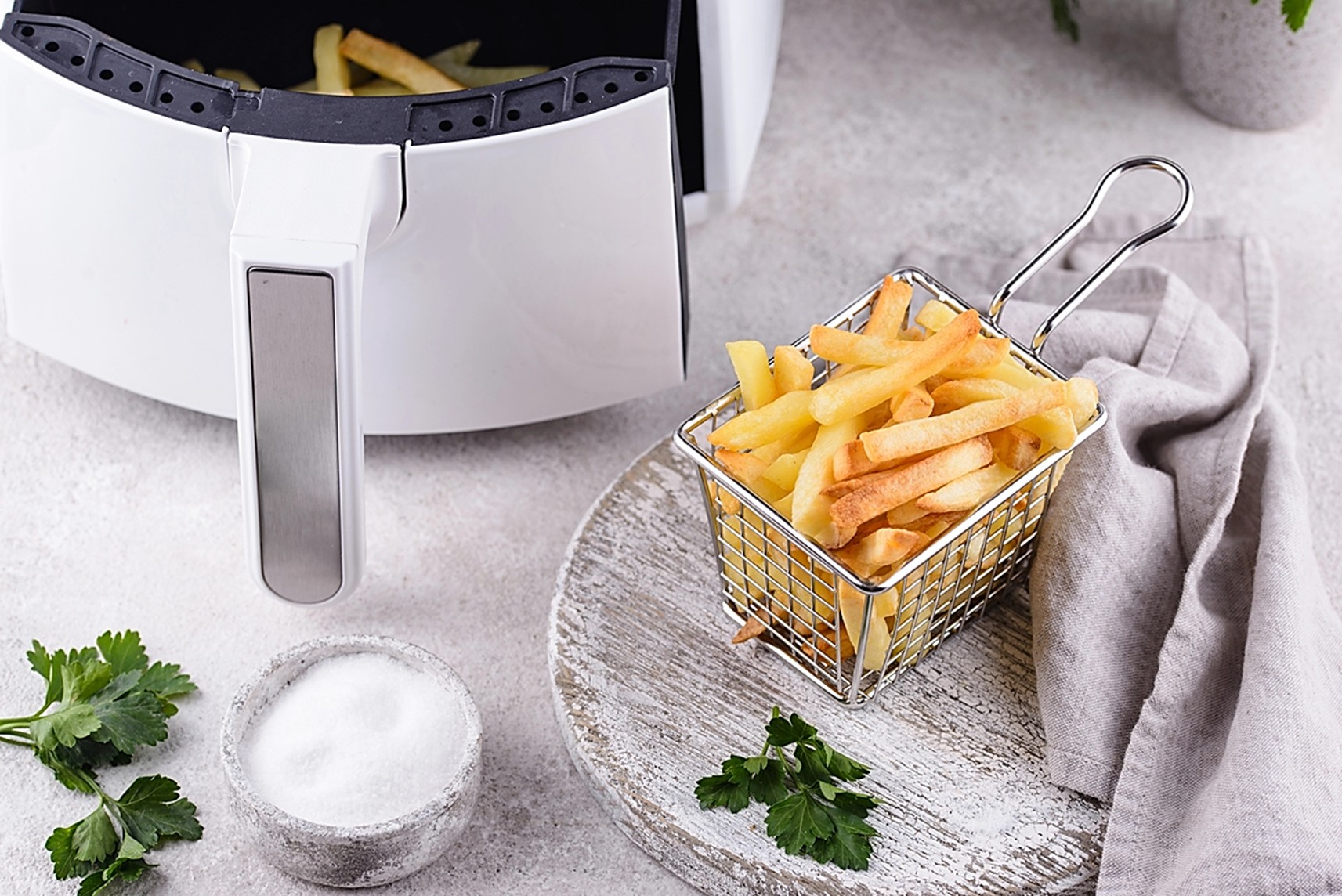
In 2016, we were buying three times more chips than in the seventies. Today, that trend continues but the cooking method has been disrupted. The meteoric rise of the air fryer since our last blog means we are still enjoying our chips, but they are increasingly prepared in a way that is healthier and quicker. The deep-fat fryer is being banished in favour of modern tech.
The Great Hydration Shift
One of the most telling changes since 2016 isn’t just what we eat, but what we choose to wash it down with. While many still swear by a proper brew, tea purchases have continued their steady slide as coffee – particularly filter coffee – is on the increase. Overall, however, there has been a significant move away from constant heavy caffeine hits in favour of pure, refreshing water.
Whether it is the ubiquity of the office water cooler or the rise of the reusable bottle, drinking water has become the ultimate lifestyle choice. The water dispenser has become the new social hub of the workplace, as we have realised that staying hydrated is the simplest productivity hack available.
A Globalised Pantry
The ‘Italianisation’ we noted previously has expanded into a truly global pantry. While tinned peas and meat paste are firmly relics of the past, our baskets are now filled with avocados, sweet potatoes and haloumi. Since 2016, these items have moved from trendy extras to weekly necessities.
So, where does that leave us? We are eating less beef, more chicken, more fresh fruit and significantly more ready-to-eat salads. The British public is striking a balance: the convenience of a quick meal accompanied by a water bottle refill from the water cooler and a side of fresh greens.
Of course, I’m still dispensing piping hot water from the office hot water boiler to make my endless mugs of tea. However, in an effort to keep up with these more health-conscious habits, I might just try to cut back on how many biscuits I dunk.
by Fern Shaw | Feb 9, 2026 | Water Boilers, water cooler, Water Coolers
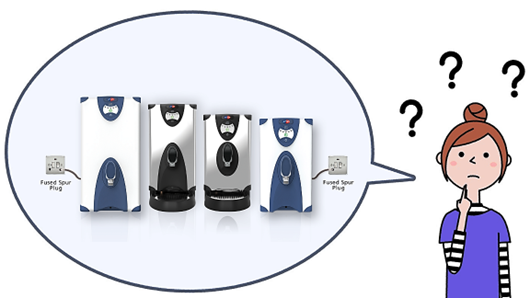
Choosing the right hot water boiler for a workplace can feel more complicated than it needs to be. With different capacities, styles and installation options available, the key is understanding what suits the environment, the people using it and the pace of the day.
This guide breaks down the essentials, without getting overly technical, so organisations can make a confident, practical choice.
What is a hot water boiler, really?
A hot water boiler provides a reliable supply of near-boiling water on demand. Designed for professional settings, these systems are commonly found in offices, catering environments, staff rooms and educational facilities where speed, safety and consistency matter.
Unlike kettles, boilers reduce waiting time and help streamline busy routines, especially where multiple people need hot water throughout the day.
Instant Taps or stored: what’s the difference?
Boiling water taps heat water as it’s needed, delivering hot water almost immediately. This makes them well suited to workplaces with regular, steady demand.
Systems with internal tanks, on the other hand, store a set volume of hot water ready for use. These can be a good option in catering or education settings where demand peaks at specific times.
Key things to consider:
- How many people will use the boiler daily
- Whether usage is constant or concentrated at certain times
- Available space for installation
Wall-mounted or countertop?
For workplaces where space is at a premium, wall mounted water boilers are a popular choice. Installed off the work surface, they help keep kitchens and service areas clear while still delivering high performance.
Countertop models may suit larger staff areas or catering spaces where higher output is required and space allows for it.
Capacity, safety and efficiency
When selecting a boiler, capacity matters. Too small and it may struggle during busy periods; too large and it could be more than the organisation needs.
Modern systems are designed with safety features such as insulated taps and controlled dispensing, helping reduce the risk of accidents in shared environments. Energy efficiency is also worth considering, particularly in workplaces aiming to manage running costs responsibly.
A practical choice for busy environments
The right hot water boiler supports day-to-day efficiency, keeps teams moving and removes the bottleneck of waiting for kettles. By focusing on demand, space and usage patterns, organisations can choose a system that delivers piping hot drinking water throughout the working day, exactly when it’s needed.
by Fern Shaw | Feb 4, 2026 | Water Boilers, water cooler, Water Coolers
This was supposed to be a straightforward, C-for-serious blog about hot water bottles and the clever clogs (as me mum used to say) who invented these marvellous little body warmers. Truly. Pure intentions all round.
It started sensibly enough. I’d been reading about bed warmers for years, vaguely picturing something cosy and civilised. Then I watched a period drama and – lo and behold – the mystery was solved. An olde metal contraption, pre-heated and slid into the bed like some kind of medieval hot brick. I can only assume you weren’t meant to climb in while it was still there. Thankfully, we’ve moved on.
Modern hot water bottles are far less … perilous. According to Wiki:
Modern day conventional hot water bottles were invented in 1903 and are manufactured in natural rubber or PVC, to a design patented by the Croatian inventor Eduard Penkala. They are now commonly covered in fabric, sometimes with a novelty design.
By the late 20th century, their popularity dipped as homes became better heated and electric blankets muscled in on the night-time warmth market. That said, hot water bottles never really went away. They remain popular in Ireland and the United Kingdom, developing countries and rural areas. They’re widely used in Chile (where they’re known as a guatero) and have even enjoyed a resurgence in Japan as an eco-friendly, thrifty way to keep warm.
Now – important note – none of the above should be confused with an AquAid hot water boiler. That’s for keeping your insides warm, not your outsides. A subtle distinction, perhaps but a distinction, nonetheless.
During the colder weather we’re now experiencing; when you ‘ave to get up out of shoebox at twelve o’clock at night and lick road clean wit’ tongue before heading off to work – it’s comforting to know that once you arrive – salvation awaits. A well-positioned hot water boiler, keeping water at a steady 98 °C. Ready. Reliable. Fully capable of supplying piping hot water for any stomach warming hot drinks.
Just don’t try using the hot water boiler as a hot water bottle. If nothing else, it’s an unsightly, soggy mess to be cleaning up after.
Happy keeping warm and toasty this winter. And no – you may not use the water from your hot water boiler to fill your hot water bottle … nice try.
A note on the blog image, selected purely for amusement: while sourcing hot water bottle images to head up this blog, inserting entirely sensible keywords, a series of … unexpected images appeared. If anyone can explain the connection, we’re all ears.

by Fern Shaw | Jan 19, 2026 | water boiler, Water Boilers, water cooler, Water Coolers
Every January, the third Monday rolls around with a gloomy reputation. Dubbed Blue Monday, it was once claimed to be the most depressing day of the year – a rather sad mix of dark mornings, cold weather and festive cheer well and truly packed away. No wonder so many of us wake up humming “I don’t like Mondays” (thanks, Boomtown Rats).
But what if we flipped the script?
From Blue to Brew
In recent years, Blue Monday has been reimagined as Brew Monday – a much warmer, kinder idea. Instead of dwelling on the blues, it encourages us to pause, make a cup of tea, coffee (or indeed, any hot water drink you like) and check in with the people we care about. A quick phone call, a message, or even a virtual cuppa can make a real difference. Sometimes, it’s the smallest gestures that lift the heaviest moods.
The Comfort of a Cuppa
There’s something deeply reassuring about a hot drink. The ritual of boiling water, choosing a mug and taking that first sip feels grounding – especially on a chilly January day. It’s a reminder to slow down, breathe and be present. And let’s be honest, many of life’s problems feel at least a little more manageable with a hot drink in hand and warming us up on the inside.
Keeping the Good Stuff Flowing
Of course, any good hot drink starts with hot water. If you’re the sort of person who finds comfort in frequent cuppas – at home or at work – having a reliable supply of piping hot water can make those moments even easier. A hot water boiler or hot & cold water cooler quietly does the job in the background, ready whenever you are. No fuss, no waiting, just instant warmth when you need it most.
Chase the Blues Away
So, whether you call it Blue Monday or Brew Monday, perhaps the answer is the same: connect, be kind to yourself and make good use of your hot water boiler. One cup, a quick chat with a workmate – in person or remotely – that’s how we turn a gloomy Monday into something a little brighter.

by Fern Shaw | Nov 10, 2025 | Water Boilers, water cooler, water cooler, water dispenser
In today’s busy work environment, efficiency, convenience and employee wellbeing are key.
Installing a water dispenser or water cooler may appear to be a small change, but the benefits to workspaces, be they offices, warehouses or worksites, are far-reaching. From reducing wasted time to lowering running costs and maintaining excellent hygiene, a water dispenser offers much more than just refreshment.
Boosting Productivity and Saving Time
A water cooler can make a real difference to daily routines. Rather than waiting for the kettle to boil several times a day, employees can instantly access hot or cold water. This not only saves valuable minutes but also helps reduce bottlenecks in shared kitchen areas. Those minutes quickly add up to greater focus and smoother workflow across the team.
Cost Savings and Energy Efficiency
Running costs matter to every business. Kettles and traditional hot drink setups use considerably more electricity than a mains-fed water dispenser or hot water boiler. Switching to a water cooler can reduce energy usage and, in turn, lower bills. It’s a simple step that supports sustainability targets while delivering noticeable savings over time.
Convenience and Consistency at Work
From open-plan offices to manufacturing floors, having a constant supply of fresh water on hand keeps things running smoothly. A mains-fed cooler provides uninterrupted service, meaning no downtime for refilling or waiting. For workplaces with larger teams, that reliability keeps everyone hydrated and operations efficient.
Professionally Maintained for Peace of Mind
Hygiene is essential in any shared workspace. Regular servicing and sanitisation ensure clean, safe water and extend the lifespan of the water dispenser. AquAid service all mains-fed water dispensers every six months and all bottle-fed coolers every three months – with these services being performed by their WHA accredited engineers. That professional care gives businesses confidence in both quality and compliance.
A Small Change with Lasting Benefits
A water dispenser is a simple upgrade that delivers practical and long-term benefits – saving time, cutting costs and improving the workplace environment for everyone.
by Fern Shaw | Oct 27, 2025 | Water Boilers, water cooler, Water Coolers
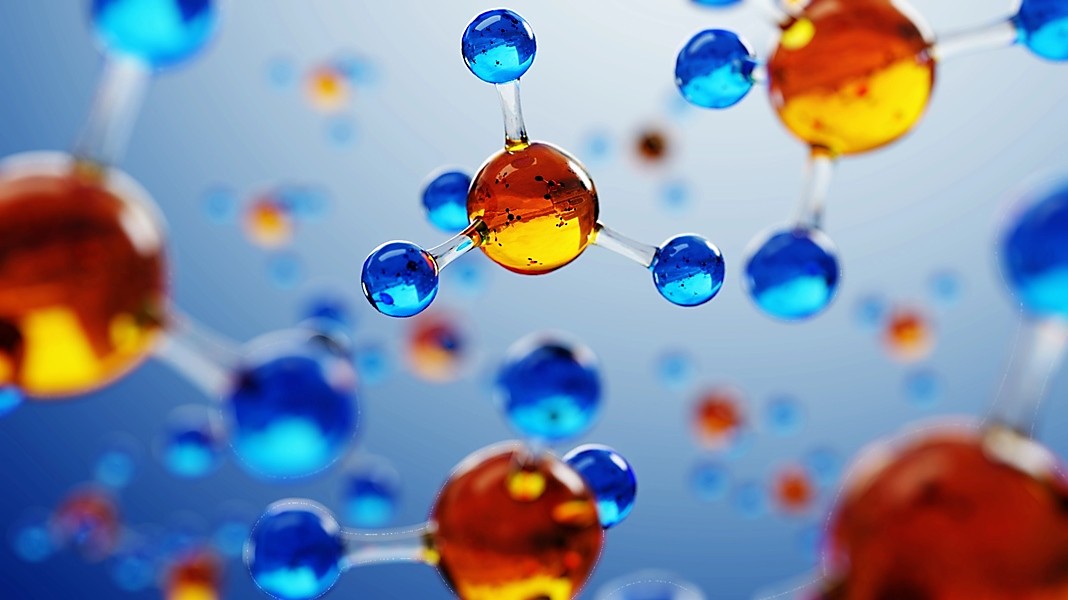
You’d think it would be simple, right? Water is just two hydrogen atoms and one oxygen atom. So why can’t we just mix them together and end the world’s water shortages once and for all?
Well, as it turns out, that’s where things get a little … explosive.
The Science Bit (Without the Headache)
To create water, you need both hydrogen and oxygen atoms. Mixing them together, however, doesn’t magically make water – you just end up with a room full of flammable gas and some nervous scientists.
For hydrogen and oxygen to truly bond, their electrons need to link up. And that requires a sudden burst of energy, basically a spark, to get the atoms to ‘hook up’.
Sounds easy enough, but here’s the problem: hydrogen is highly flammable and oxygen feeds fire. Put them together and one tiny spark later – boom! You get water … and possibly an impressive fireball.
So, What’s the Alternative?
Not to worry, there’s no need to start mixing gases in the office kitchen to stay hydrated. There are brilliant minds out there working on safer, sustainable ways to generate water.
For now, if you’re after a reliable and constant source of water that doesn’t go ‘boom’ when you drink it, speak to us at AquAid.
Safe, Healthy Hydration
Explore our range of water coolers, hot water boilers and water fountains – the perfect solution for all your drinking water needs – for offices, worksites, schools, hotels and anywhere else you’d rather keep things calm, cool and well hydrated.
Not sure which water cooler suits your needs? Contact us at AquAid where one of our friendly team will be happy to help you find the perfect fit.
Just one note – our water coolers aren’t designed for scientific experiments. Best leave that to the professionals!