by Fern Shaw | Jul 15, 2025 | Water, water cooler, water dispenser
When the temperature climbs, having easy access to drinking water becomes more than just a comfort – it’s essential. While most people know hydration is key to staying healthy in the heat, there are plenty of reasons it matters that aren’t always top of mind.
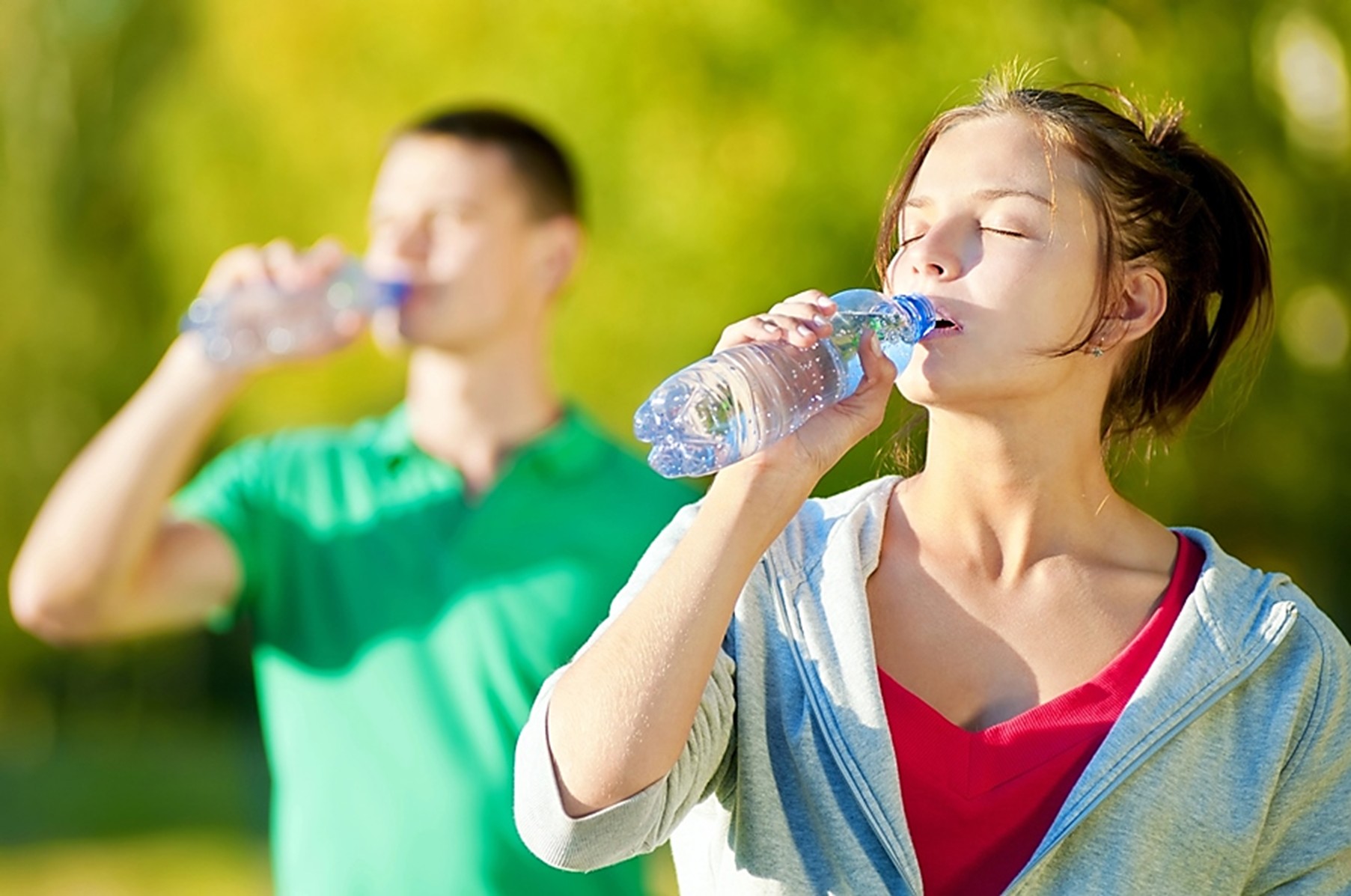
Hot weather naturally increases thirst, but it’s easy to underestimate how much fluid the body needs to stay comfortable and focused. Even mild dehydration can leave people feeling sluggish, less alert, or more irritable than usual. Regular water breaks help boost energy levels, support clearer thinking, and can even improve general mood. Wherever the location, having a water dispenser on site, whether at work, the office, store, shop, gym, sports centre lobby, or job site can make a genuine difference, encouraging people to drink regularly without thinking twice.
Children, older adults and those with health conditions are particularly vulnerable in high temperatures. They might not always recognise the signs of dehydration or be able to help themselves, so it’s important that others check in and offer water often. The same goes for pets, who can’t ask for a drink and wildlife, who may struggle to find water during dry spells. Even placing a shallow bowl of water outside can be a lifeline.
Helping each other stay cool and hydrated isn’t just thoughtful – it’s vital. Making water easily available and encouraging regular sips throughout the day is a small effort that can prevent serious problems. Whether it’s through personal care or simply having a water station nearby, keeping water within reach can keep everyone – from colleagues to pets – a bit safer in the heat.
by Fern Shaw | May 19, 2025 | Water, water cooler, Water Coolers
This World Bee Day is the perfect time to give a big thank you to the tiny pollinators who keep our world blooming and our plates full.
Bees might be small, but their impact is huge. Around one-third of the food we eat relies on pollinators like bees. They help plants reproduce by spreading pollen – a vital step in producing fruits, vegetables, and seeds. Apples, strawberries, tomatoes, courgettes … even coffee and chocolate owe a lot to bees.
Without bees doing their daily buzz-about, many of our favourite foods would become rarer, pricier, or disappear altogether. Farmers count on them to pollinate crops, and entire ecosystems rely on their work to stay balanced and healthy.
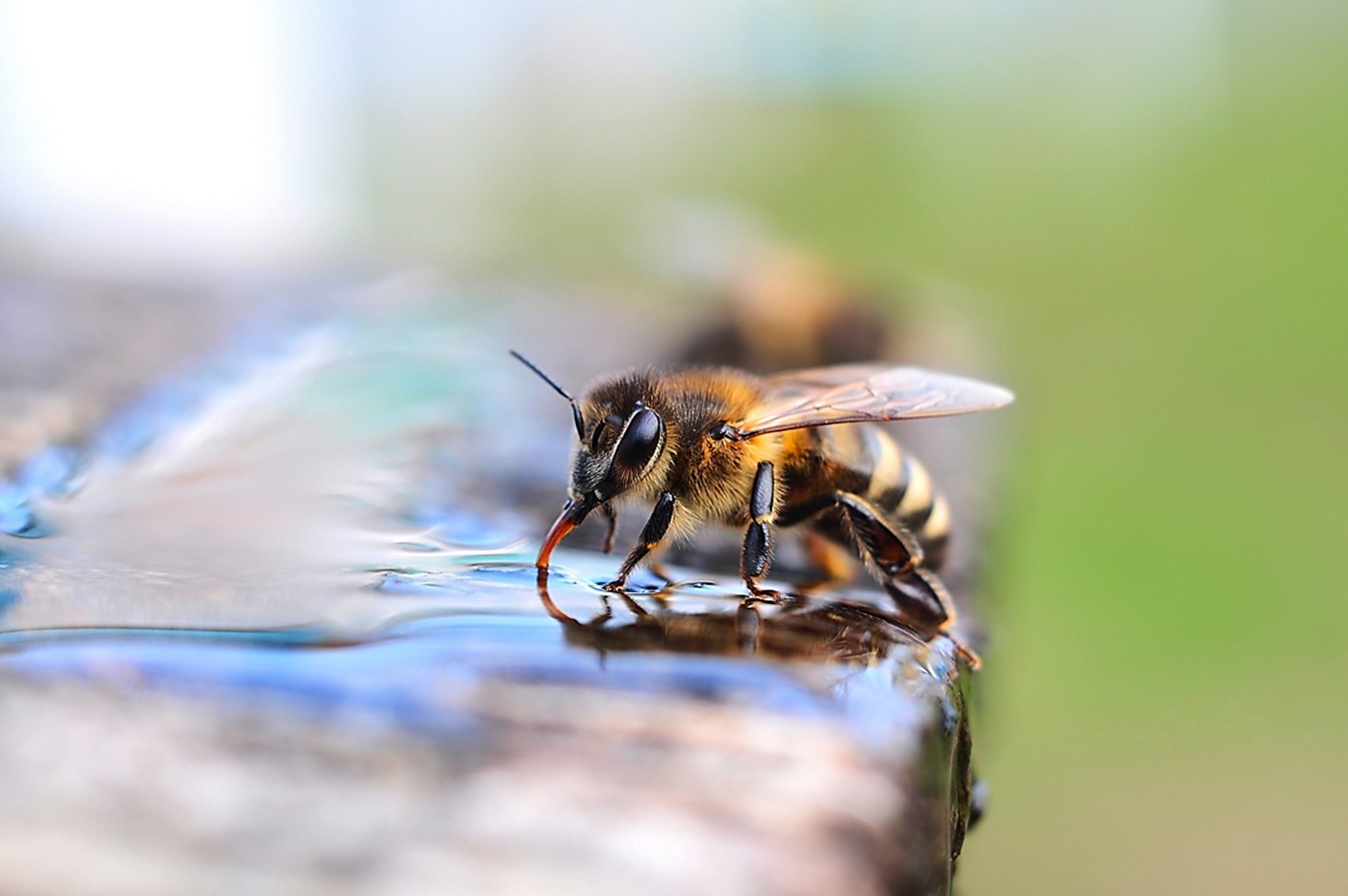
But bees can’t do it all alone. They need safe habitats, food sources, and something we often overlook – water. Like us, bees get thirsty! They need clean, shallow water where they can safely land and drink without the risk of drowning. A small dish with stones or floating corks makes an easy, bee-friendly watering spot in any garden.
So, this World Bee Day, let’s give back to the bees. Plant some wildflowers, skip the pesticides, and pop out a bee-safe water dish. Every little effort helps protect these brilliant buzzers and, in turn, the food we love.
Bee kind, bee thankful – and keep buzzing for change!
by Fern Shaw | Feb 12, 2025 | Water, water cooler, water cooler
Valentine’s Day, for some, is both one of the most dreaded and alternatively, most anticipated days in the February calendar, for a variety of reasons.
Dreaded because the day seems to have morphed into a commercialised and forced day of having to publicly declare your feelings of love and affection to a significant other.
Anticipated because the expectations of many objects of affection wait anxiously to see what the day will bring them.
Sadly, the tradition and meaning of Valentine’s seems to have been lost, which is a pity as the real aim (har har) of the day was rather lovely (and quite passionate!)
Examples through history:
*The earliest surviving valentines in English appear to be those in the Paston Letters, written in 1477 by Margery Brewes to her future husband John Paston “my right well-beloved Valentine”.
Valentine’s Day is mentioned ruefully by Ophelia in William Shakespeare’s Hamlet (1600–1601):
To-morrow is Saint Valentine’s day,
All in the morning betime,
And I a maid at your window,
To be your Valentine.
Then up he rose, and donn’d his clothes,
And dupp’d the chamber-door;
Let in the maid, that out a maid
Never departed more. ~ William Shakespeare, Hamlet, Act IV, Scene 5
In the Victorian-era there was a language of flowers, sometimes called floriography, a means of communication in which various flowers and floral arrangements were used to send coded messages, allowing individuals to express feelings which otherwise could not be spoken. This language was most communicated through a tussie-mussie (flower posy), an art which still has a following today, if in a much simpler manner.
The nuances of the language are now mostly forgotten, but red roses still imply passionate, romantic love; pink roses denote affection; white roses suggest virtue and chastity and yellow roses still stand for friendship or devotion.
Things to perhaps consider for this Valentine’s Day – whether you choose to celebrate the day or not. If you are presenting/receiving a tussie-mussie to/from your intended, remember to give it water.
Just a friendly heads-up: please don’t use the water from the home, office or school water cooler. That’s for us humans, and we kind of need it to, you know, live.
Plus, think about it: if someone doesn’t get a Valentine’s, they’ll need that drinking water to keep their skin looking all youthful, glowing and plumped-up. A bit of hydration can work wonders, whether it’s for a pre-date glow-up or just to help them plot their (hopefully more successful) strategy for next year.
Happy Valentine’s!
*source: Wikipedia
by Fern Shaw | Jul 18, 2024 | water cooler, water cooler, Water Coolers
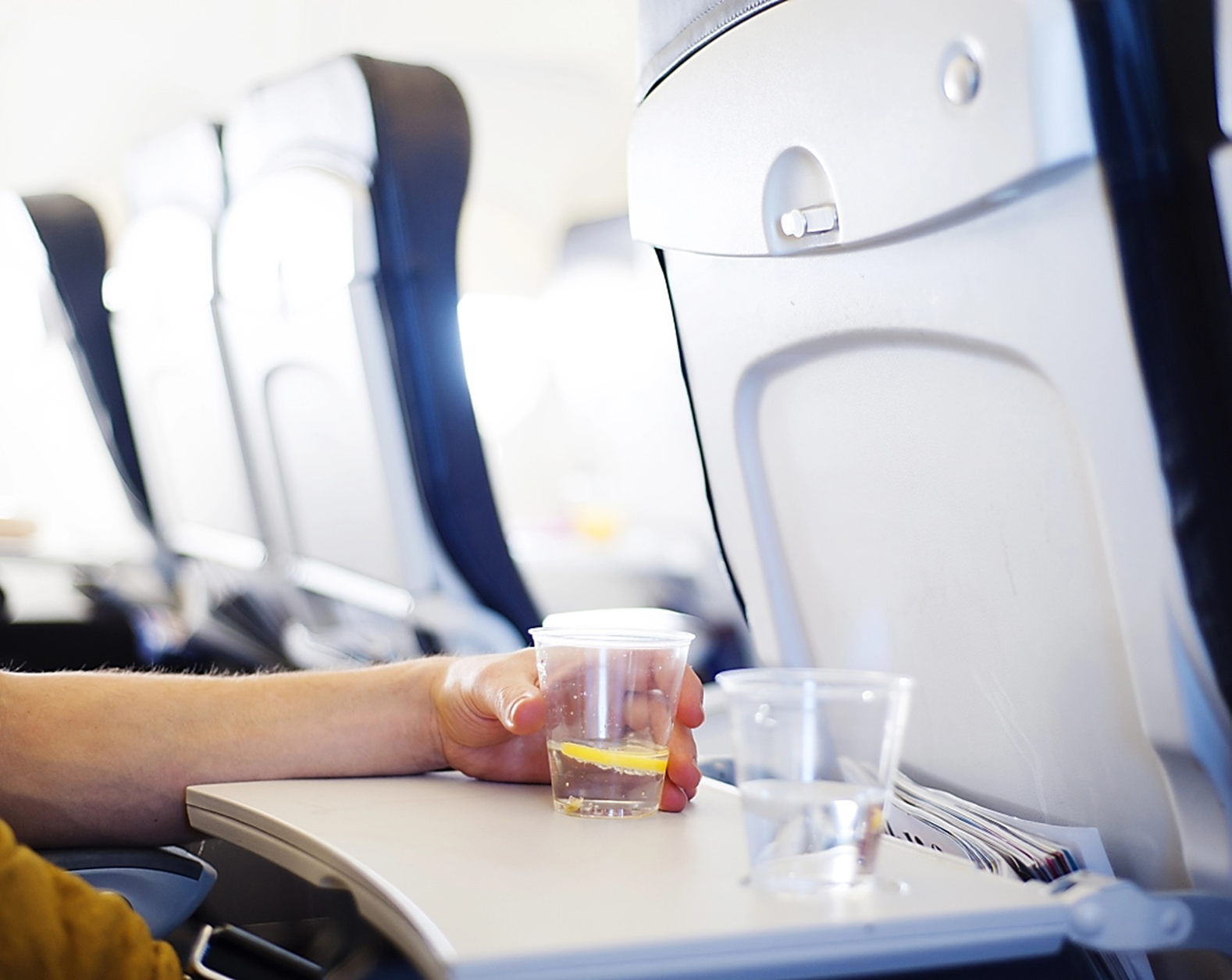
With summer on the horizon and school holidays looming, it’s about that time where many Britons are prepping for the journey that will get them to their holiday destination.
Whether it’s to calm the nerves, get your holiday started en route or because it’s your custom to have a tipple when you fly, many of us indulge pre and during flight. Whatever the reasons, imbibing alcohol inflight isn’t a good idea, at all. Here’s why:
Flying already puts a strain on the body. With increased altitude comes decreased air pressure. This decreases the concentration of oxygen in the air and results in reduced oxygen in our lungs and bloodstream.
Aircraft cabins are typically dry environments. Alcohol is a diuretic, meaning it increases urine production, which can contribute to dehydration. This can exacerbate the effects of alcohol and lead to headaches and other discomforts.
Although a glass of wine, beer or spirits might seem like a good relaxant, alcohol has an adverse effect on sleep quality. Even at sea level, alcohol has been shown to elevate heart rates, which can interfere with REM sleep and disrupt cardiovascular relaxation.*
Some studies suggest that drinking alcohol and then sleeping on a flight might lower blood oxygen levels and increase heart rate, potentially putting extra strain on the cardiovascular system.
If that casual in-flight drink isn’t something you’re quick to forgo, a few tips to minimise impacts on overall health and sleep.
If you choose to drink, do so responsibly and in moderation. Take short walks around the cabin to improve circulation and prevent blood clots. Most importantly, drink plenty of water throughout the flight to counteract the dehydrating effects of alcohol and the dry cabin air.
*source: Article by Leah Worthington on National Geographic

by Fern Shaw | Jul 8, 2024 | Water, water cooler, Water Coolers
I know I’m always blathering on about drink water, keep hydrated, drink water, hydration, drink water, but honest-to-goodness, when you do the type of research that I do, trust me, there are monster-sized reasons for this advice.
But, to switch things up a little, I’m going to reverse the blather and look at it from another perspective.
Not Drinking Water Means:
- A mere two percent drop in body water can trigger fuzzy short-term memory, trouble with basic maths and difficulty focusing on the computer screen or on a printed page.
- Even mild dehydration will slow down one’s metabolism by as much as three percent.
- Lack of water is the number one trigger of daytime fatigue.
- A mere two percent drop in body water can trigger fuzzy short-term memory, trouble with basic maths and difficulty focusing on the computer screen or on a printed page.
- Preliminary research has shown that up to eighty percent of people suffering from back and joint pain could have these pains significantly reduced by drinking between eight to ten glasses of water a day.
- Our digestive systems need a good amount of water to digest food properly. Not drinking water leads to too much stomach acidity and constipation.
- By not drinking water, the thirst mechanism becomes so weak it is often mistaken for hunger. We all know where that leads.
As evidence of the disservice we do to ourselves by not drinking sufficient water continues to mount up and with refreshing drinking water available to us at the turn of a tap or a press of a button gives me reason enough to become a little bit of a water warrior (I was going to say an H2O agony aunt, but that’s just rather unappealing).
You get the gist. Topping up, refilling and replenishing your water bottle or glass is the simplest and most effective manner in which to reduce daytime fatigue, false hunger pangs all while increasing our metabolism rate and our ability to focus.