by Belinda Ollewagen | Feb 6, 2019 | instant tap, Water Boilers, water cooler
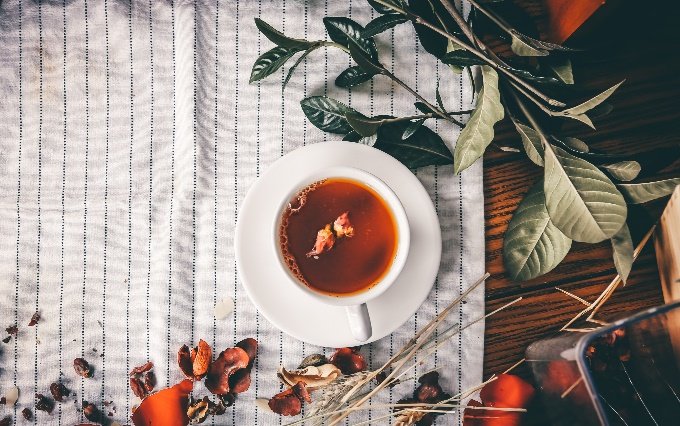
In less than two weeks winter will officially begin in the UK and while reclining in a warm sunny garden, cold drink in hand, might now be a distant memory, what we shouldn’t change is the drink in hand bit. The weather might have changed, but our basic bodily functions haven’t and we still need our daily intake of drinking water to ensure optimal health. That said, it’s not as easy to drink water in the colder weather and while pure water remains the healthiest of options, all liquids – with the exception of alcohol – do count towards your daily requirements. So, it’s a good idea to try and experiment with a variety of warm and tasty herbal teas to ensure your healthy liquid intake remains high.
While a water cooler will always be a necessity in the office, it’s at this point that water boilers and instant taps in staff kitchens or breakout areas became very handy. When it’s chilly and we’re all wanting a hot cup of something to warm us up, it can be very frustrating waiting in line for a kettle to boil. But with hot water taps there is a limitless supply of boiling water, ready at just the touch of a button. It’s the perfect opportunity to sample your way through a wild variety of herbal teas that not only hydrate you, but offer a host of other medicinal benefits too.
Peppermint tea
It can help relieve abdominal gas and bloating as well as relieve muscle spasms. It can also be used for nausea, heating up the body and making you sweat.
Ginger tea
Great in aiding digestion, it can curb nausea, vomiting or help settle an upset stomach. Adding lemon and honey can help your body fight off colds and flu, plus the honey’s powerful antioxidants can help eliminate free radicals.
Chamomile tea
Very helpful for insomnia, it has a gentle calming and sedative effect. It is also recommended for use with a cold or fever, and when used as a gargle it can help with inflammation of the mouth.
Rooibos tea
It is high in vitamin C and has many antioxidant properties which can help strengthen your immune system – it is also recommended as a topical treatment for skin irritations such as eczema.
Lemon balm tea
It can help lift your mood and is also said to help improve concentration.
Milk thistle and dandelion tea
Known as a gentle liver cleanser, it can help the liver regenerate and function more optimally. As with ginger, it too can aid digestion.
Rosehip tea
An excellent source of vitamin C, it can also help optimize your skin and tissue health, adrenal function and immune system.

by Fern Shaw | Jan 30, 2019 | water cooler, Water Coolers
We’re not referring to being in hot water, mind, rather we’re referring to how drinking hot water (and most derivatives thereof) in cold weather boosts our sense of well-being, makes us happy and unbelievably is good for our health too.
Mind how you go. As with anything that you ingest or consume that purports to be healthy, there’s usually a proviso. Of course there is. That’s why we’re not suggesting that you can drink as many of those marshmallow topped, cream laden hot chocolates as you like and still be in the peak of health, but we are stating that by drinking hot water drinks (not just hot water) you will achieve more than just one goal – you’ll warm yourself up, increasing your body temperature; you’ll feel comforted which increases your sense of well-being and if you’re drinking the right hot drinks, you’ll keep yourself hydrated, which means you’re maintaining your good health.
Don’t be fooled. Unless you were hibernating for the last few decades, you should no doubt be aware (by now) that sugar-free doesn’t equal better health. In fact, the ‘cheat sweeteners’ can be as bad for your waistline if not worse than could good old granulated sugar. If it tastes oddly synthetic, chances are it usually is.
What’s left, then? Quite a bit actually. Here are a few ideas to keep your precious little self hydrated, your tummy warm; and you fighting fit this winter:
- Install either a hot and cold water cooler or a hot water boiler at your premises. Visit it, often.
- Once you’ve installed your hot water maker, speak to those around you – ask them what hot water drinks they enjoy which don’t pack on the pounds.
- Go exploring. Virtually of course. As an example, you’ll find quite a few hot water drinks tips at the AquAid Water Coolers blog There’s plenty to choose from which will hopefully to inspire your hot water drinks journey.
However you choose to warm up this winter, we wish you happy hydration health.

by Belinda Ollewagen | Jan 18, 2019 | water cooler
The weather is dreadful at the moment, and if you’re so cold that you feel like you’re caught in a snow tunnel, the last thing you’ll want to do is take a meander over to the water cooler and fill up your glass with something cold. While this might be understandable, it’s not advisable. Despite the cold, our bodies still require proper hydration – and there are other ways of maintaining your water intake during the cold winter months.
Keep it top of mind – if you make a conscious effort to remain properly hydrated and perhaps add it to your to-do list or schedule reminders, it’s easier to keep on top of it.
Go for the hot – teas and coffees do count towards your daily water quota, but it shouldn’t be your only source of water. Try to supplement with green teas if you can – they offer many health benefits in addition to aiding hydration.
Room temperature works – ice cold water is not very inviting at this time of the year, so fill your bottle at the water cooler early morning and let it stand out and reach room temperature, making it much easier to drink.
Keep it visible – out of sight, out of mind is the old adage, so be sure that however you choose to go about drinking your daily water, it’s something that’s nearby and visible.
Soup up – an excellent way of getting in more liquid, and definitely very welcome in winter, is to up your soup intake. Have a bowl for lunch and try to have a bowl in the evenings too if you can before your main meal.
Eat your water – if you’re struggling to drink as much water as is necessary, then try to eat more of it. By including extra fruit, tomatoes, cauliflower and squash in your diet you automatically increase your hydration levels.
Avoid too much salt – and last but not least, try to reduce the amount of sodium in your diet. This doesn’t only refer to the salt you add to your food, but also certain food types like processed foods. Ultimately too much salt can cause dehydration which would render your other efforts wasted.

by Belinda Ollewagen | Jan 18, 2019 | instant tap, water cooler
Is there such a thing as drinking too much water? Should you decrease your number of visits to the office water cooler? The answer to the first question is yes. And the answer to the second question is no.
Yes, you can drink too much, but it’s an extreme ‘too much’. Runner’s World ran an article a while back entitled busting eight hydration myths, and one of those busted myths was that ‘you can’t drink too much’. If you over-hydrate it can lead to a condition called hyponatremia. As defined by the Mayo Clinic, this ‘occurs when the level of sodium in your blood is abnormally low. Sodium is an electrolyte, and it helps regulate the amount of water that’s in and around your cells. When [hyponatremia] happens, your body’s water levels rise, and your cells begin to swell. This swelling can cause many health problems, from mild to life-threating’.
And why should you not decrease your number of visits to the water cooler? Because of your thirst mechanism, that’s why. Another busted myth is that ‘thirst isn’t a good hydration tool’ – yes, it is. Your body knows what it needs, and when it needs water, it will trigger your thirst mechanism – whether you’re attuned to that trigger or not is another matter of course. So, if you learn to listen to your body and give it what it needs when it signals it, you should be fine. If you’re an athlete and you’re concerned about the amount of water you lose while exercising, knowing your sweat rate and compensating for it, is another way to ensure you receive proper hydration. Doug Casa, Ph.D., professor of kinesiology at the University of Connecticut and COO of the Korey Stringer Institute says the ‘goal isn’t to match your sweat rate, but you should try to get as close as is comfortably possible. For some runners, that may mean replacing two-thirds of the fluid they sweat during the run’. He also adds that you shouldn’t try to drink more than you lose.
And here’s another busted myth ‘caffeine dehydrates you’ – no, it doesn’t. If taken in moderation, coffee or tea can count towards your hydration quota for the day. So, if you feel the need for another hot drink, then head over to the instant taps in your breakout area and make another cup – not only will it aid your hydration levels, but the break will do you good too as both these factors are productivity enhancers!
by Belinda Ollewagen | Dec 29, 2018 | Uncategorized
It’s December and many of us are now preoccupied with festive shopping
and making plans for Christmas. But if you’re reading this, then chances are that
in addition to dreaming about Christmas dinner with all the trimmings, you’re also
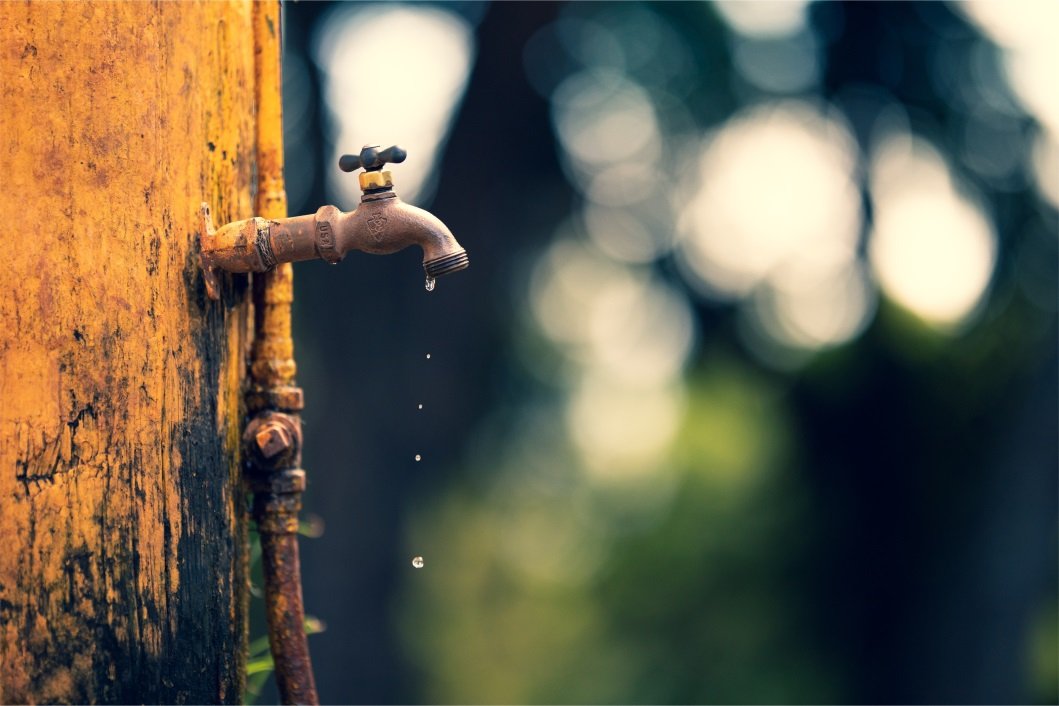
one of the lucky few who have access to a natural resource that we all take
very much granted – clean and safe drinking water. For those of us who live in
the modern world, we can’t image a life without easy access to water, but millions
face this harsh reality every day – all year round.
According to the United Nations Educational, Scientific and Cultural Organization (UNESCO)these are some of the staggering statistics:
- Up to 90% of wastewater in developing
countries flows untreated into rivers, lakes and highly productive coastal
zones, threatening health, food security and access to safe drinking and
bathing water.
- Over 80% of used water worldwide is not
collected or treated (Corcoran et al., 2010).
- The provision of improved sanitation and
safe drinking water could reduce diarrhoeal diseases by nearly 90% (WHO,
2008a).
- Human health risks are without doubt the
major and most widespread concern linked to water quality. Each year
~3.5 million deaths related to inadequate water supply, sanitation and
hygiene occur, predominantly in developing countries (WHO, 2008b).
- Diarrhoeal diseases, often related to
contaminated drinking water, are estimated to cause the death of more than
1.5 million children under the age of five per year (Black et al.,
2010).
- An important share of the total burden of
disease worldwide, ~10%, could be prevented by improvements related to drinking
water, sanitation, hygiene, and use of environmental management and health
impact assessments.
While many organizations across the world work tirelessly to alleviate some of the suffering, we still have a long way to go. But by working towards a common goal we can make a difference, which is why in 2010 AquAid founded the Africa Trust to help make an impact and create sustainable projects that empower the less fortunate. When you choose AquAid as your preferred water cooler supplier, you not only gain access to an extensive range of high-quality products, but you also help to bring fresh and safe drinking water to thousands of impoverished people every day.
Water
crises may exist all year round, but to date – and with your help – AquAid have
donated in excess of £14 million and helped bring water to more than 2.5
million people! Eradicating the problem may seem an impossible task, but with
each step, we help another person every single day.