by Fern Shaw | Dec 25, 2018 | Uncategorized
A recent blog titled ‘And a Water Rich Pear Tree’ was actually about pears and how they’re such a water rich fruit (go and have a read, you’ll be glad you did). This blog, however, is actually about the origins of the rather wonderful (some would say long-winded) Twelve Days of Christmas.
According to Wiki: “The Twelve Days of Christmas” is an English Christmas carol that enumerates in the manner of a cumulative song a series of increasingly grand gifts given on each of the twelve days of Christmas (the twelve days that make up the Christmas season, starting with Christmas Day). The song, published in England in 1780 without music as a chant or rhyme, is thought to be French in origin.
In the interests of brevity, here are the opening bars:
On the first day of Christmas my true love sent to me
A partridge in a pear tree.
On the second day of Christmas my true love sent to me
Two turtle doves
And a partridge in a pear tree.
On the third day of Christmas my true love sent to me
Three French hens,
Two turtle doves,
And a partridge in a pear tree.
The song is then added to (refer to the above image for the sequence), always returning to the initial bars.
You may be wondering what this has to do with your water cooler – in fact, with water in general. It’s simple, really – we’re all aware of the term ‘water cooler humour’ – which generally refers to the habit where those worker bees who gather at their dispenser for a short break to refresh their water and top up their water bottles, and use this time to swap stories, compare notes and generally catch up on what’s been happening since everyone last got together (since the last water cooler break, that is).
Now that we’re racing towards Christmas and we’re all of good cheer, but we’re all a little tired after a big year filled with conkers such as ‘to Brexit or not to Brexit’ perhaps we’re running out of steam, or cheery topics – this is where this song comes in. You can amaze and delight your colleagues with your knowledge; you can retrieve the song on your mobile and who knows, begin a rousing rendition at the water cooler break station, which might just get everyone in more of a festive spirit (or might not, either way, we won’t be accepting any responsibility if the water cooler break goes south).
However you choose to your water cooler break, remember to stick with the original quest – to replenish your water all the better to keep your merry little self hydrated this festive season.
P.S. If you don’t currently have a water cooler where you can gather to chat to your colleagues, contact us at AquAid – we have 20 years’ experience in the provision of the right water dispenser to meet your requirements.

by Fern Shaw | Dec 25, 2018 | Uncategorized
For many, December can mean a time of excess and overload, although often it may not be intentional. It’s easy to be caught up in the festivities whether it’s the year end work functions or just a general letting the hair down after a long year.
When it comes to festive drinking though, there are ways to keep it fun and jolly and still maintain a healthy level of hydration.
Hot chocolate: Yes, hot chocolate is full of sugar, but it also consists of hot water (you can even make your hot chocolate at work using your AquAid Water Boiler – bonus!) and chocolate! And as we all know, chocolate (in moderation) is good for you.
Spiced hot drinks: We’re not going to fall into the trap of suggesting that glühwein or mulled wine is good for you (we’re rather clever little elves are we), but the spices and fruit that are part of these hot drinks can be used with great healthy hydrating effect without being steeped in alcohol. Sleigh across the internet, there are more hot spiced drinks than you can shake a stick of Blackpool rock at.
Cool drinks: If you’ve pledged to keep it tidy, alcohol wise, this Christmas, why not opt for mocktails? They’re fun, fruity, tasty and good for you. For these though, whereas you can draw your fresh drinking water from your water cooler, it’s probably best not to do your mixings at the water cooler station. Rather use the kitchen or bring your mixings from home to add to your water. Think cinnamon pear, orange pomegranate or apple cinnamon pomegranate.
Should you opt for the alcohol rich festive cheer, remember the general rule of thumb: match each alcoholic drink with a drink of water.
On this cheery note, we like to take the opportunity to wish you all a wonderful festive season and a very Merry Christmas from all of us at AquAid.
by Fern Shaw | Dec 24, 2018 | Uncategorized
Even
though pears (or pear trees at least) are immortalised in that classic Christmas-time
song involving a partridge and a stream of nerve-wracking repetition, the
actual pear is an oft overlooked fruit this time of year. – and they certainly
shouldn’t be. Here’s why:
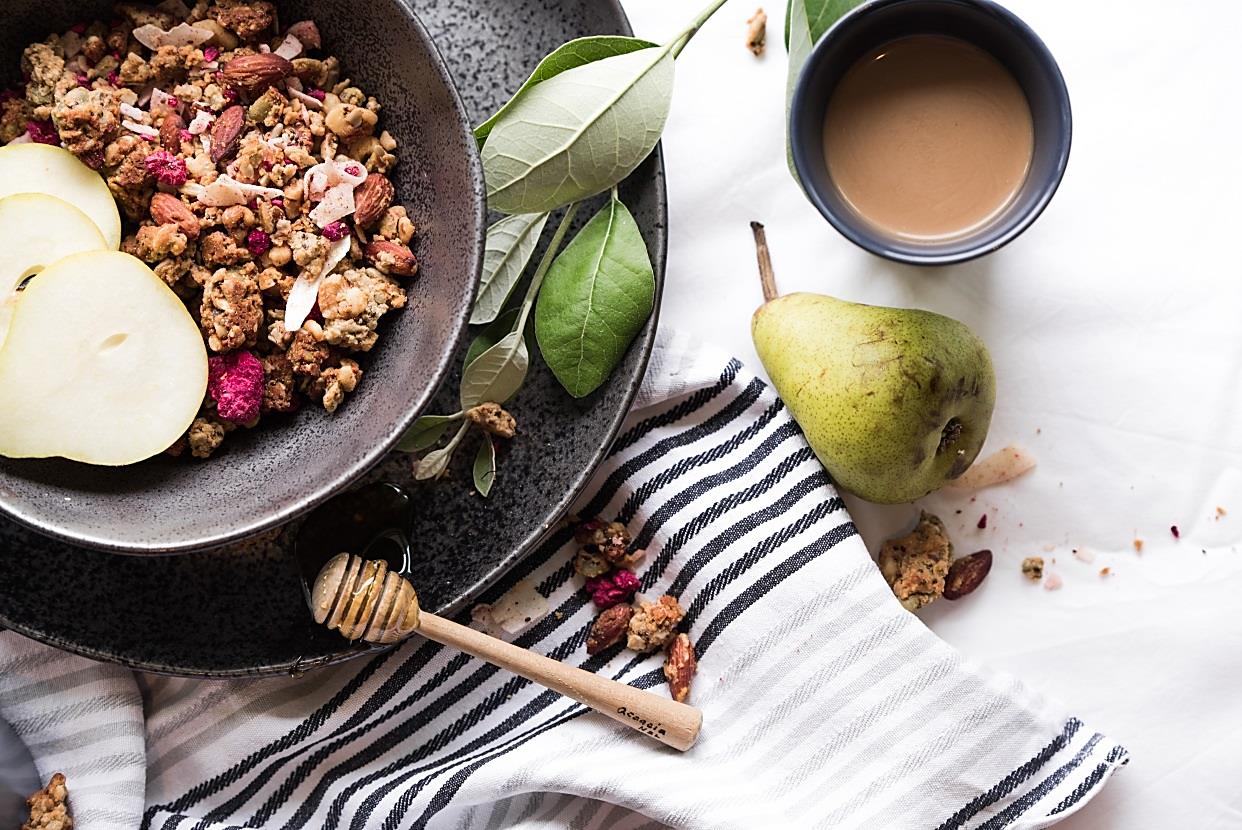
Pears rank high on the water-rich fruit
list, with a water content of some 84%. But that’s not the only reason we
should look to pears to increase our perhaps lax winter drinking water
habits – they are also highly nutritious.
Pears help lower cholesterol – they contain
heart-healthy soluble fibre, a nutrient that can reduce the absorption of LDL
or ‘bad’ cholesterol into the bloodstream. This means they’re good for heart health too.
They
boost the immune system – when you’re feeling a bit
under the weather, or it feels like you’re coming down with a cold – eat a
pear. They are high in vitamin C and
other nutrients that boost the immune system.
Digestive aid – the same fibre found in pears that helps lower cholesterol also aids
digestion. In nice terms, pears essentially keep our plumbing working
properly. You can thank the pectin,
a component of dietary fibre, in them for that one.
They’re hypoallergenic – Pears are a nutritious option for those with food sensitivities –
without any adverse effects.
Super hydrating – we all recognise pears for their incredible juiciness. That sumptuous
feeling when you bite into a juicy pear is because they boast a high water
content.
Whereas you might be tempted to follow the
rather less healthy pear eating route – glazed pears, pear tarts etc. you’ll
get most of the goodness from raw pears, eaten unpeeled – most of the benefits
are locked into the skin.
If circumstances are having you neglect
your water
cooler water refill this winter (although we recommend you don’t), at least
you’ll have back-up – in the form of the healthy, delicious, water-rich pear.
by Fern Shaw | Dec 6, 2018 | water cooler
The temptation to fuel our bodies by consuming, let’s call them, the pack-on-the-pounds food during winter can easily lead us to reduce our water intake. In the search to keep ourselves warm, instinct has us reaching for the hot meals chockful of carbs and fats as we did in the days when padding was essential to get us through the cold months.
But that was then. We now have the wonders of indoors, whether it’s at home, at work or exercising. Which means we have a lot more opportunity to maintain healthier eating and drinking habits throughout the year and not just when it’s warmer.
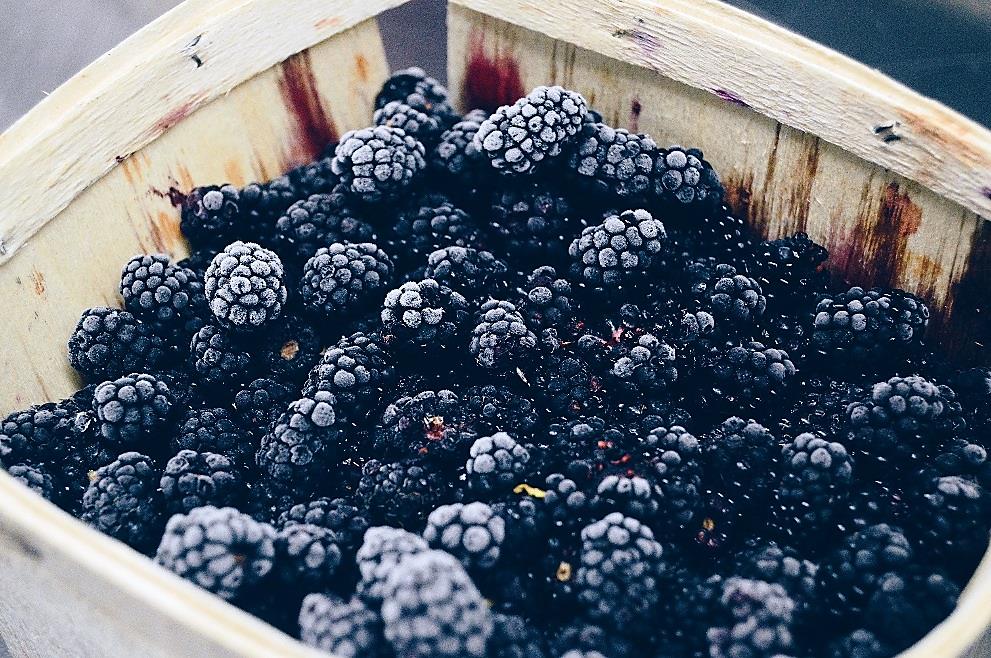
A large part of this healthier lifestyle is achieved through eating water rich ‘winter’ fruits such as berries. A prime example being: Blackberries.
- Blackberries are good sources of fibre and offer several essential vitamins and minerals.
- The water content in blackberries is at 88%.
- They contain a substantial amount of Vitamins C and K (as well as Vitamins E and A in a lesser amount) as well as a mineral content including Potassium, Magnesium and Zinc.
These amazing berries have been an essential source of healthy eating for thousands of years. They’re an integral part of the British landscape, often found growing freely on hedgerows the length and breadth of the UK.
If the thought of drinking as much water now as you do in the warmer months is just too off-putting, why not opt for these water-rich little wonders? They’re available all year round and at the very least, will help you to maintain the right hydration levels, albeit not in a pure liquid form.
All said, though, the easiest and most direct route to good hydration habits is still drinking water. That’s where your water cooler comes in. Rain, snow or shine, topping up your water bottle or water glass on each visit to your water cooler is still the fastest most convenient option.
Don’t have a water cooler at your premises? Easily solved. Contact us at AquAid – we have 20 years’ experience in providing a wide range of high quality water dispensers to match your requirements.
You’re berry welcome.
by Fern Shaw | Nov 29, 2018 | water cooler
In this series about the importance of maintaining your water consumption as a health benefit, we’ve looked at our body’s overall water content as well as how vital water is to each of our body’s organs.
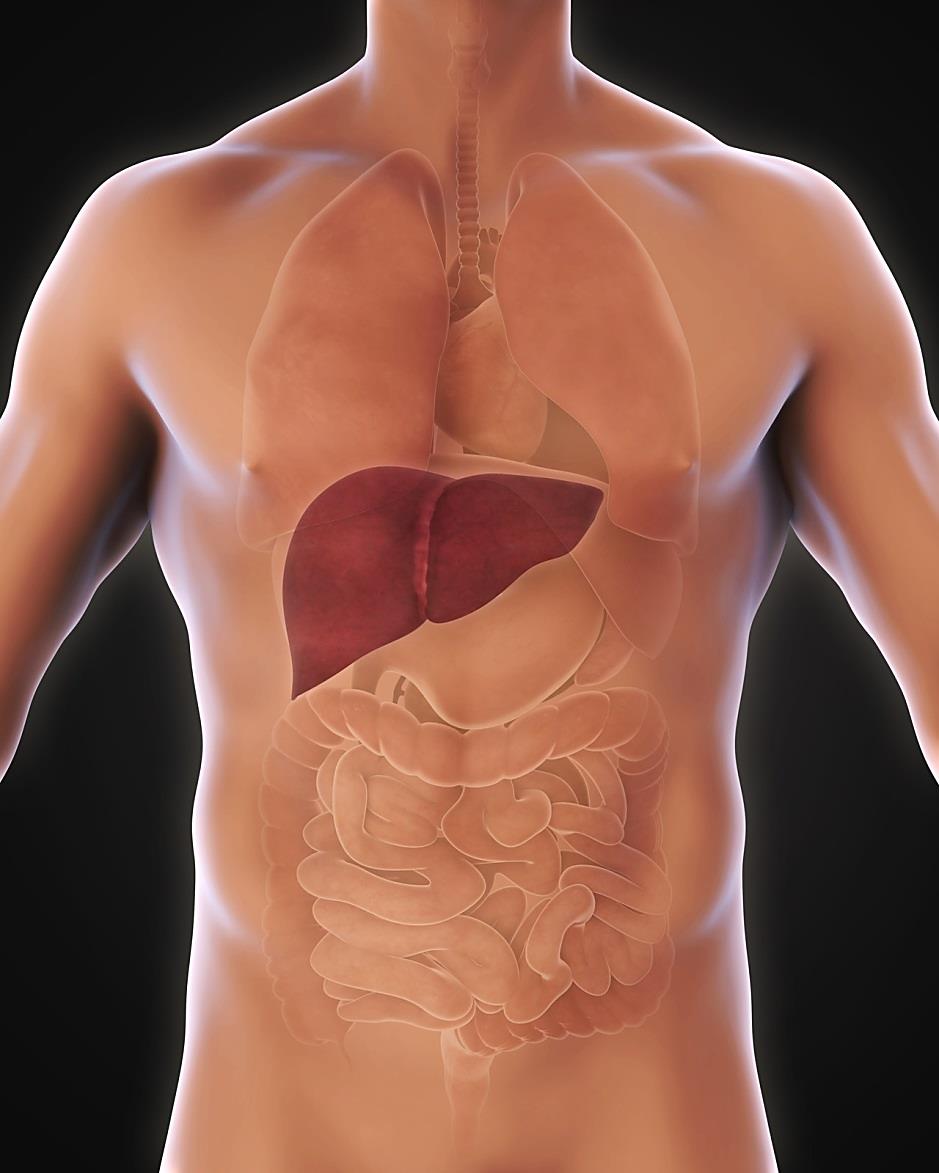
Today, we look at the liver – one of the largest (it’s bigger than your brain) and most complex of our internal organs.
Your liver consists of 96% water (the water is inside the cells and in blood) and can regenerate itself – even if only 25% of it is still healthy, your liver can regenerate itself into a full liver again.
The major functions of the liver:
- Makes and stores fuel.
- Cleans your blood.
- Filters out toxins from your bloodstream.
- Produces bile to break down fats.
- Help absorb nutrients in the intestine from the processed food.
- Regulates blood composition to balance protein, fat, and sugar.
- Produces essential chemicals to aid blood clotting.
- Destroys old blood cells.
- Stores minerals, iron and vitamin A.
The liver is a complex, hard-working, multi-tasking organ, tirelessly performing many functions. The efficiency of your liver function directly relates to your health and well-being.
Water is largely responsible for the fluid content of blood. As the organ that filters the blood, its viscosity affects the liver’s detoxification abilities. Accordingly, not drinking enough water will increase the blood’s thickness and make it harder to filter.
At AquAid, we’re fully cognisant of the vital part regular water consumption plays in your ability to perform at your peak every day, which is why we offer a wide range of high quality water coolers to meet your drinking water requirements.
So, the next time you’re about to pass the water cooler, don’t. Rather take your water bottle or water glass and make the water cooler station part of your daily work break routine: fill your bottle and drink your way to a healthier liver and consequently, a healthier you.