
by Fern Shaw | Aug 3, 2026 | Water, water cooler, Water Coolers
Some blog ideas come together instantly. Others require careful consideration. This one was a bit of a toss-up.
Yorkshire Day? International India Pale Ale Day? International Beer Day? How do you choose?
Then a novel idea struck. Why choose at all?
So, we’ve gone with all three into one blog. Reason being 1) it makes things a little more interesting and 2) if one topic falls flat (I’m looking in your direction, ale and beer), you’ll have another ready to rescue your next water cooler conversation. And while you’re topping up your water bottle or refilling your water glass, you might even learn something new. Bonus.
So, without further ado, let’s begin.
With so many themed days packed into the start of August, you’re spoilt for choice. There’s also Play Day, but we’ve already covered that one in a previous blog.
Yorkshire Day
If there’s one county that knows how to celebrate itself, it’s Yorkshire.
Held every beginning August, Yorkshire Day celebrates the history, culture and traditions of England’s largest historic county. Towns and cities across the region host civic events, parades, concerts and community celebrations, with a different location taking centre stage each year.
It’s a day filled with local pride, good humour and a healthy dose of Yorkshire spirit (or ale and beer).
International India Pale Ale Day
If your drink of choice contains a little more malt than mineral water, this one’s for you.
International India Pale Ale Day was created to bring together brewers, craft beer enthusiasts and bloggers in appreciation of one of Britain’s most recognisable beer styles.
Despite the name, India Pale Ale has its roots in England. Brewers increased the amount of hops used in the beer because hops acted as a natural preservative, helping it survive the long sea voyage to India during the days of the British Empire.
Who knew a practical shipping solution would end up creating one of the world’s favourite beer styles?
International Beer Day
As if one beer celebration wasn’t enough, International Beer Day follows immediately afterwards.
Founded in 2007 in Santa Cruz, California, it quickly became a worldwide celebration and, since 2012, has been held on the first Friday in August.
Beer itself, however, is much older.
Archaeologists have discovered evidence of brewing dating back thousands of years, with recipes recorded on clay tablets from around 4300 BC and traces of beer found in pottery dating to approximately 3400 BC.
According to the organisers, there are three simple ways to celebrate:
- Get together with friends and enjoy a beer responsibly.
- Raise a glass to the brewers and servers who make it possible.
- Celebrate the incredible variety of beers enjoyed around the world.
Whether you’re raising a pint, celebrating Yorkshire or simply enjoying a refreshing glass of chilled water, there’s certainly no shortage of reasons to celebrate the start of August.
Sources
Yorkshire DayYorkshire Ridings Society
International India Pale Ale Day
International Beer Day
Encyclopaedia Britannica
by Fern Shaw | Jul 29, 2026 | Water, water cooler, Water Coolers
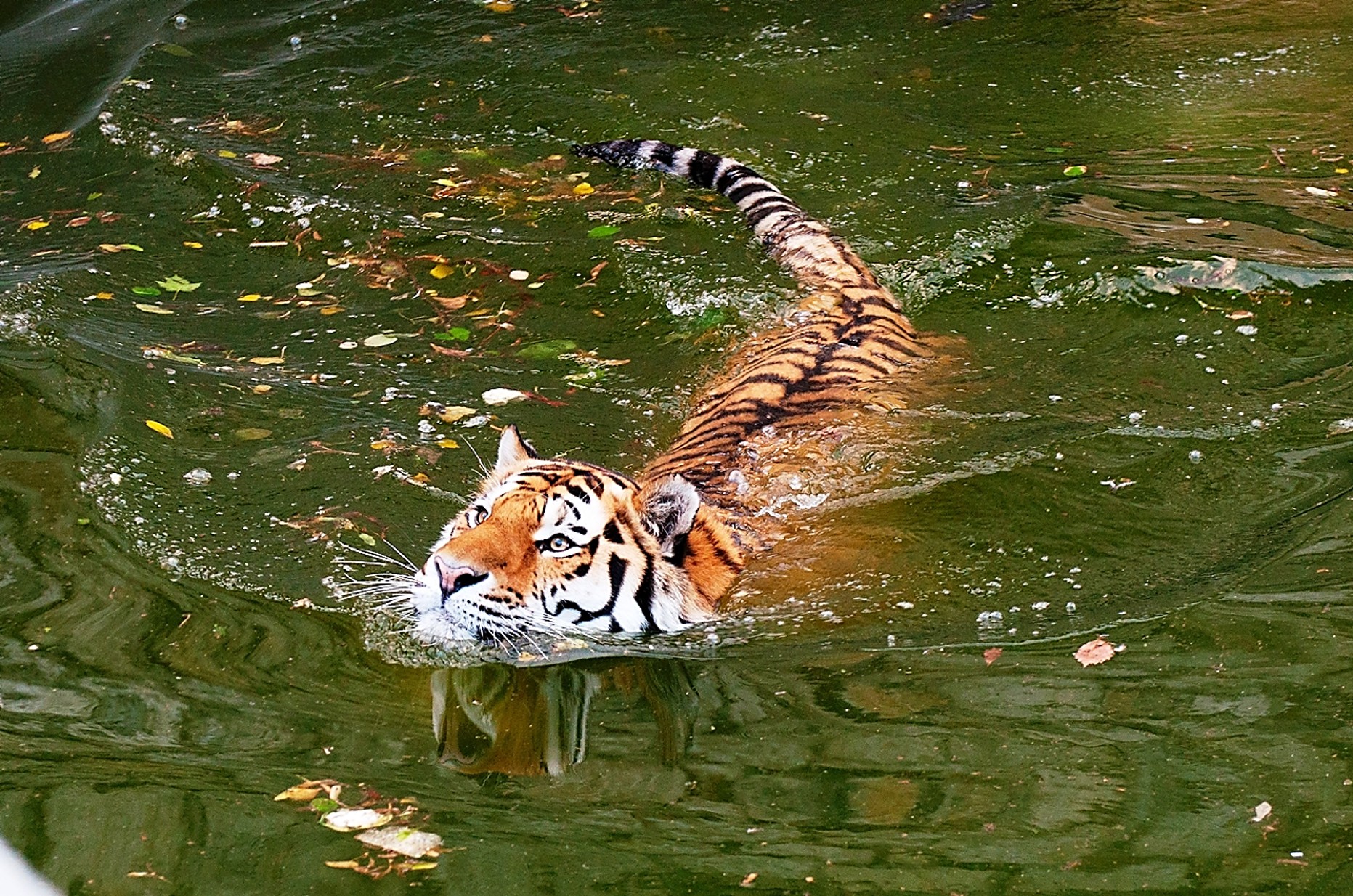
Whether bouncy Tigger, resolute Shere Khan or Calvin’s faithful playmate, Hobbes, was your first introduction to the tiger, these magnificent mammals have captured our imagination for generations. In honour of International Tiger Day, we’re celebrating the real animal behind those unforgettable characters.
We may think they’re wildly exotic creatures, yet we Homo sapiens share more in common with them than you might expect.
Like us, tigers love water. They enjoy a refreshing drink, cool off with a swim when temperatures soar and even play in the water. Unlike many other big cats, they’re remarkably strong swimmers, often crossing rivers and relaxing in lakes to escape the heat.
Of course, our similarities go beyond enjoying a paddle on a warm day. We all depend on clean, reliable sources of fresh water. For tigers, healthy rivers, wetlands and waterholes are every bit as essential as they are for the countless other species that share their habitats.
Sadly, the future of the tiger is far less secure than the stories that made so many of us fall in love with them. Wild tiger numbers have declined by more than 95% since the beginning of the 20th century, and today, it’s estimated that only around 3,900 remain in isolated forests, grasslands and mangrove swamps across Asia. Habitat loss continues to threaten not only the tigers themselves but also the freshwater ecosystems they rely upon.
Fortunately, dedicated conservation projects are protecting habitats, restoring wildlife corridors and helping these magnificent animals reclaim their place in the wild.
So, the next time you enjoy a cool glass of water or head off for a swim, spare a thought for yet another creature who relies on water as much as we do. We may not share their stripes but we certainly share an appreciation for life’s most essential resource. The least we can do is help ensure future generations can continue to be inspired by the real thing.
Sources:
There’s A Day For That – International Tiger Day
World Wildlife Fund (WWF) – Tigers
by Fern Shaw | Jul 17, 2026 | water cooler, Water Coolers
There are some celebrations that need little explanation and the recent World Ice Cream Day is one of them.
Ice cream has a surprisingly long history. Thousands of years ago, people in ancient Persia were enjoying snow mixed with fruit syrup to cool down, while centuries later frozen dairy desserts began taking shape in China before early versions of modern ice cream appeared in Italy. Fast forward a few hundred years and it’s become one of the UK’s favourite ways to make the most of the sunshine.
It’s fair to say we Britons love our ice cream.
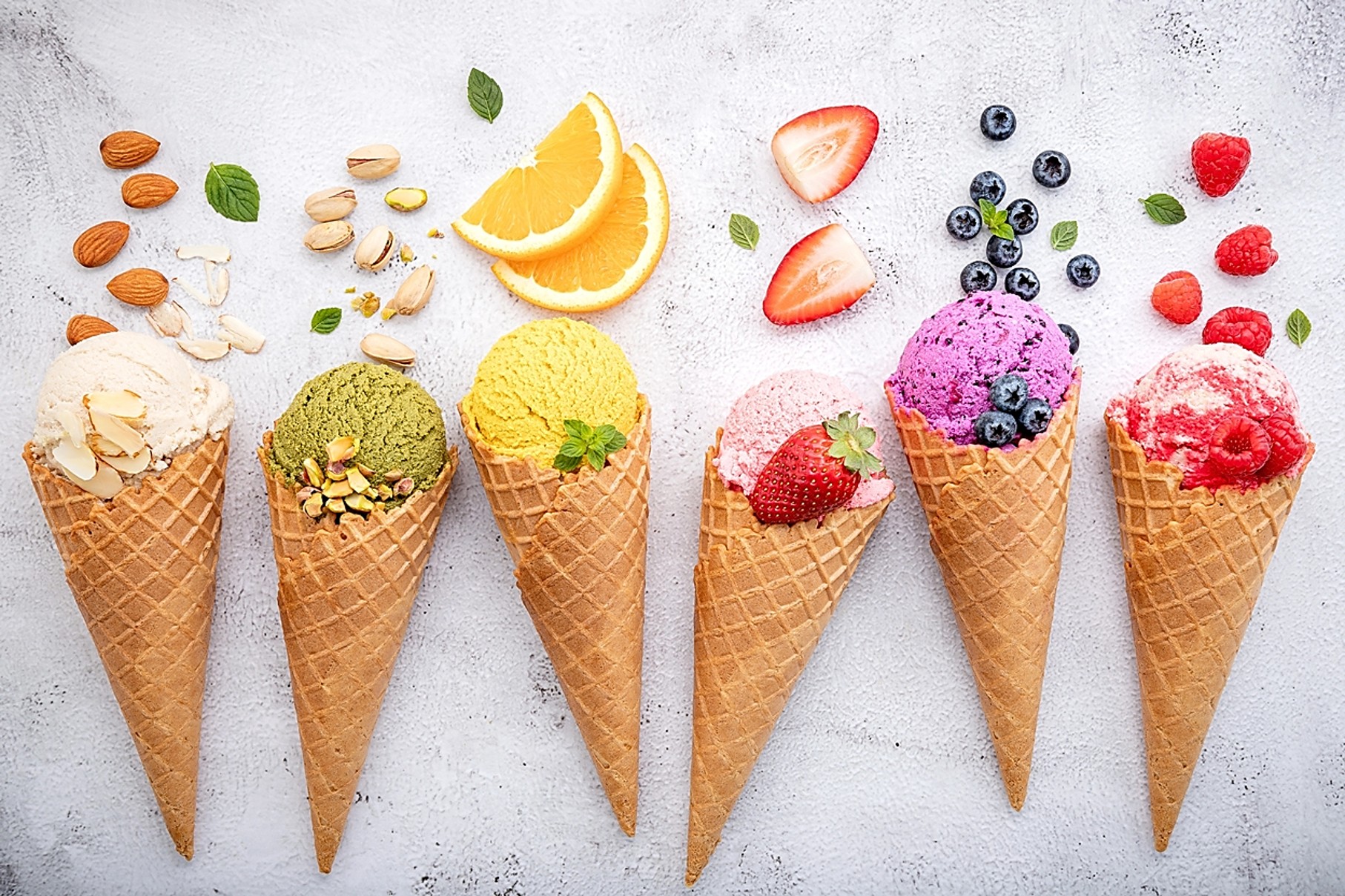
Whether you’re all about a classic vanilla cone, can’t resist rich chocolate, fancy the nutty flavour of pistachio or reach straight for a fruity lolly, there’s something for everyone. In fact, it’s estimated that around twelve ice creams are sold every second during a typical British summer. That’s a lot of brain freeze!
When it comes to favourites, familiar names such as the Magnum, Cornetto, 99, Feast and Solero have all earned their place in our stomachs (and freezers). Everyone has their go-to and family trips to the seaside have probably sparked more than a few friendly debates over which one deserves top spot.
Of course, as enjoyable as ice cream is on a warm day, don’t forget about the drink that’s with you all day long – water. A refreshing glass of chilled water helps keep you hydrated, especially during warmer weather when it’s easy to lose more fluid than you realise.
Now, much as we’d love to help, we can’t recommend using an AquAid water cooler to dispense ice cream. Tempting though the idea of unlimited Mr Whippy on tap may be, we suspect our engineers would have a thing or two to say about it. What we can recommend is using an AquAid water cooler which dispenses refreshing chilled drinking water in seconds. Whether the weather is pleasantly warm or absolutely hot, hot, hot, there’s nothing quite like a cool drink to help you stay refreshed.
So, however you’re marking World Ice Cream Day, enjoy your favourite flavour, keep a bottle of water close by and make the most of the summer while it lasts.
Sources: Days of the Year Unilever
by Fern Shaw | Jul 13, 2026 | water cooler, Water Coolers
Eating well and staying hydrated tend to go hand in hand. This series looks at everyday foods with high water content or strong nutritional value – simple choices that support a healthier routine with minimal prep or fuss. While fresh fruit can contribute to overall fluid intake, it works best alongside consistent access to drinking water, whether that’s from a water cooler wherever your location or regular trips to your Instant Tap. Healthy food and good hydration are straightforward habits – and often the easiest ones to maintain.
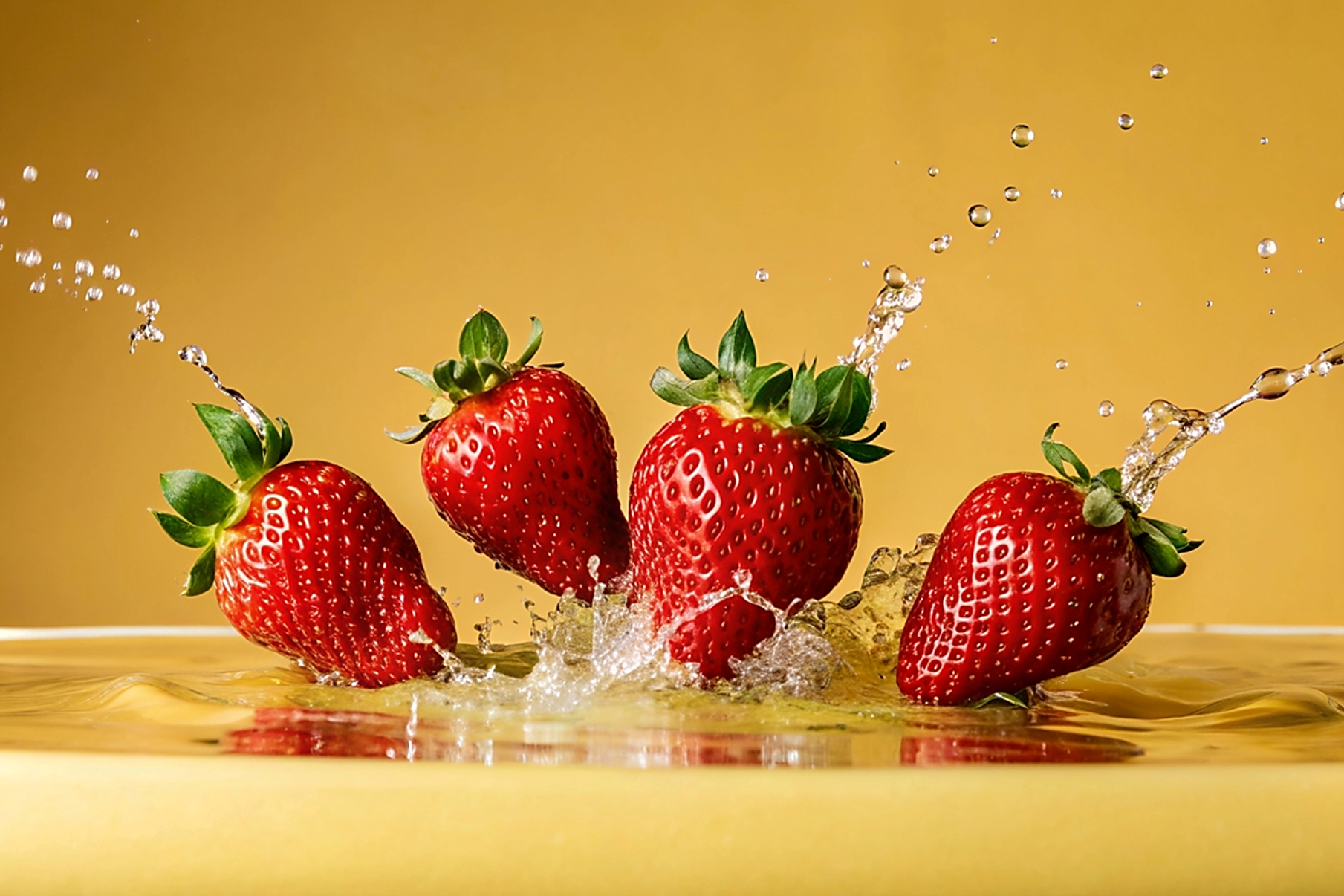
Strawberries have a habit of appearing just when many of us start spending more time outdoors. They’re the summer fruit associated with the British tennis event but they’re just as enjoyable at breakfast, packed into a lunchbox or as a light afternoon snack.
Made up of around 90% water, strawberries are naturally refreshing while also providing vitamin C, fibre and antioxidants. They’re relatively modest in sugar compared with many processed snacks, making them a satisfying choice when you’re looking for something sweet without reaching for biscuits or confectionery.
More Than Just a Bowl of Strawberries
Of course, there’s nothing wrong with enjoying strawberries exactly as they are but they’re surprisingly versatile too. Try adding them to yoghurt, porridge, or a green salad, blending them into a homemade strawberry juice, or freezing them into refreshing iced lollies. However you enjoy them, they’re a straightforward way to add a little more fruit to your day.
Some people also like to slice a few strawberries into a jug or bottle of drinking water. It adds a subtle hint of flavour without relying on sugary drinks and can make it a little easier to reach for another glass.
A Refreshing Partnership
Although strawberries contain plenty of water, fruit can only contribute so much to your daily hydration. The real foundation is still regular drinking water throughout the day.
Think of strawberries as the perfect companion rather than the main event. A handful of fresh berries alongside a glass of water is a simple, refreshing combination that’s easy to enjoy throughout the day.
by Fern Shaw | Jul 9, 2026 | water cooler, Water Coolers, water dispenser
A spell of hot weather is something many of us look forward to. Lunch breaks move outdoors; windows are flung open and there’s a good excuse to spend a little more time outside. But while we enjoy the warmer temperatures, our bodies must work much harder to stay cool.
One of the clever ways your body keeps its temperature under control is through sweating. The catch? Every drop of sweat takes water with it and you don’t always notice how much you’ve lost until dehydration has already started to creep in.
Here’s something many people may not realise. When you’re dehydrated, your blood volume drops slightly. That means your heart has to work a little harder to circulate blood around your body and regulate your temperature. It’s one of the reasons why staying well hydrated can make such a noticeable difference during hot weather.
The best approach is to sip water regularly throughout the day rather than waiting until you’re thirsty. By the time thirst kicks in, you’re already playing catch-up.
That’s where having fresh drinking water within easy reach makes all the difference.
Whether it’s mains-fed water dispensers at reception, a water cooler in the office, or affordable water fountains in a shared space, people are far more likely to stay hydrated when water is convenient and inviting.
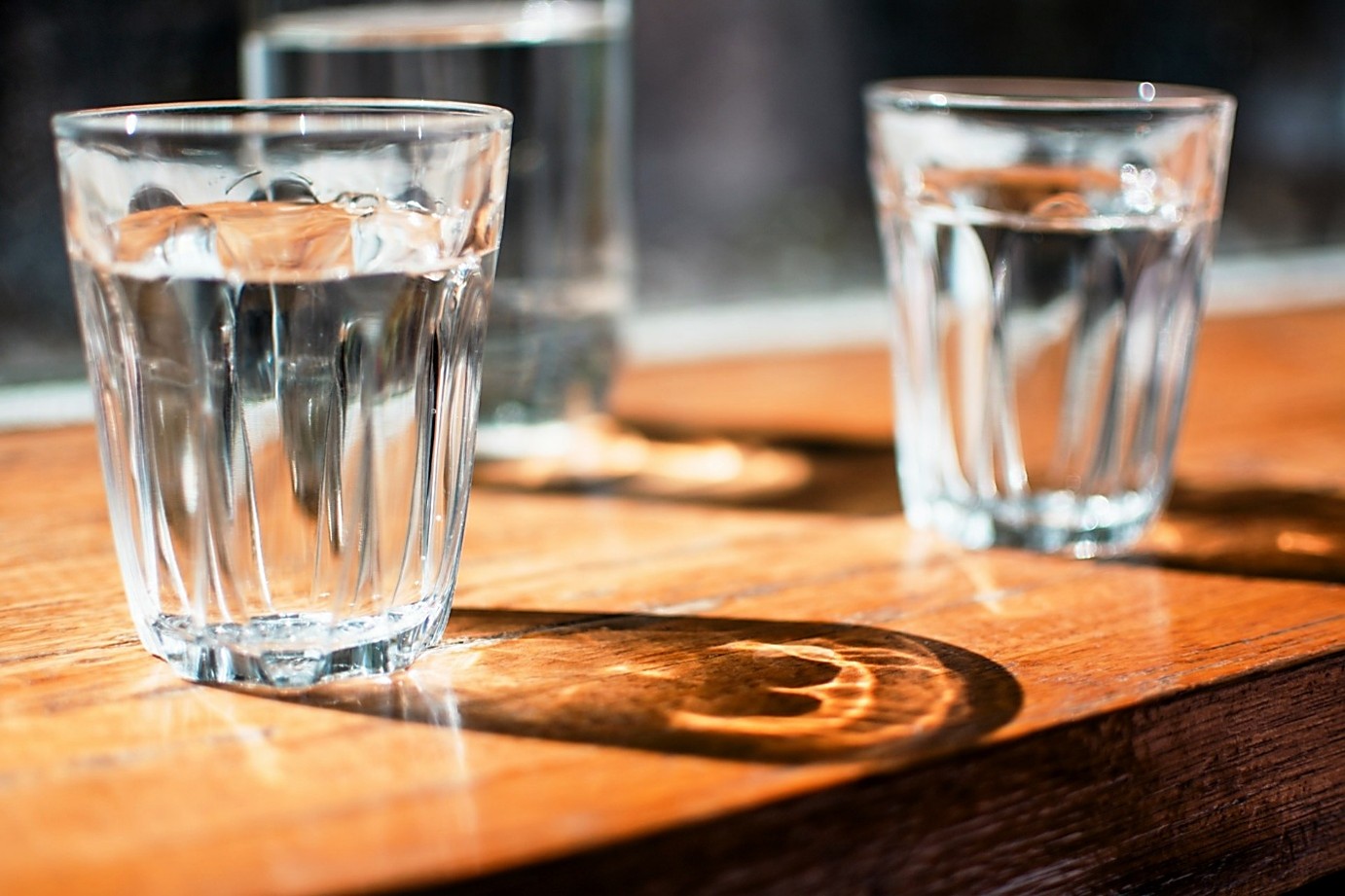
Adding a bottle or glass of water to your desk, refilling it regularly and encouraging colleagues to do the same can make a noticeable difference during a heatwave. If you’re spending time outdoors or travelling between meetings, remember to take water with you too.
Hot weather doesn’t have to slow productivity or leave everyone feeling drained. With chilled drinking water always available, staying hydrated becomes effortless, helping you stay comfortable, focused and ready to enjoy everything summer has to offer.
If you work in an office, warehouse, factory or any other busy workplace, regular water breaks are just as important as taking a few minutes to cool down. Fresh drinking water, perhaps with a slice of lemon or fresh fruit, can be even more appealing when temperatures soar.
The current heatwave won’t last forever, but while it’s here, keeping hydrated is one of the easiest ways to feel more comfortable, stay focused and help your body cope with the heat.
Sometimes the simplest advice really is the best: keep cool, keep your water topped up and keep drinking.