by Fern Shaw | May 27, 2026 | water cooler, Water Coolers
There’s plenty to enjoy about warmer weather, but when temperatures soar, it’s worth making a few small adjustments to stay comfortable and feel your best throughout the day.
One of the simplest things you can do is drink more water than you normally might. In hotter weather we lose more fluid through sweating, sometimes without noticing it, so keeping water close by wherever you are can make a real difference. Whether you’re travelling, out and about, working, relaxing or simply getting on with your day, regular sips throughout the day are better than waiting until you feel thirsty.
A refillable water bottle can help too. Having drinking water within easy reach is often one of the easiest reminders to stay hydrated. Whether that’s a refillable bottle alongside you or access to a water cooler nearby, keeping refreshing drinking water within easy reach can make staying hydrated feel effortless.
A few other simple ways to beat the heat:
- Wear lightweight, loose-fitting clothing where possible.
- Look for shade if you’re spending time outdoors.
- Try to avoid more strenuous activity during the hottest part of the day.
- Keep sun protection handy if you’re out and about.
- Take regular breaks whenever you’re on the move.
- Eat lighter foods and include water-rich fruit and veg options where you can.
It’s also worth paying attention to how you’re feeling. Headaches, dizziness, tiredness or feeling unusually thirsty can sometimes be signs that your body needs a little extra water and a chance to cool down.
A few practical habits, a bit of planning and making hydration part of your routine can help make warmer days more comfortable – wherever you are and whatever the day has in store.
Sometimes the simplest solution is the one that works best: keep cool, take it steady and keep water on tap.
Sources:
NHS – Heatwave: how to cope in hot weather
GOV.UK – Beat the Heat: Staying safe in hot weather

by Fern Shaw | May 26, 2026 | water cooler, Water Coolers
Hot weather has a way of changing routines. We drink water more, refill bottles more often and suddenly that supply you thought would last another week starts looking a bit optimistic.
A little planning ahead can make all the difference.
Keeping an eye on your hydration setup before supplies run low can help avoid last-minute scrambles, especially during warmer periods when staying topped up matters more than ever.
Whether you use a water cooler or rely on a bottled water cooler, getting ahead of the game is often the easiest approach.
A quick check now could save a deficit in drinking water later:
- How many bottles do you currently have available?
- Is your usage higher than usual?
- Will warmer weather mean people are drinking more water?
- Would an earlier top-up help keep things running smoothly?
Hot days are much easier to enjoy when chilled water is ready and waiting whenever it’s needed.
Staying hydrated doesn’t need to become another thing to think about. A little forward planning, a quick stock check and keeping an eye on changing routines can go a long way towards keeping things simple.
Need support or have questions about your water requirements? Contact AquAid.
Sometimes the easiest hot weather win is simply being one step (or a few chilled water bottles) ahead.
by Fern Shaw | May 20, 2026 | mains fed water cooler, water cooler, Water Coolers
Eating well and staying hydrated tend to go hand in hand. This series looks at everyday foods with high water content or strong nutritional value – all which lead to simple choices that help support healthier food choices without overcomplicating your dietary path. While fresh vegetables can contribute to overall fluid intake, they work best alongside consistent access to drinking water, whether that’s from reliable mains fed water coolers or a water cooler. Good food and good hydration are straightforward habits – and often the easiest ones to maintain.
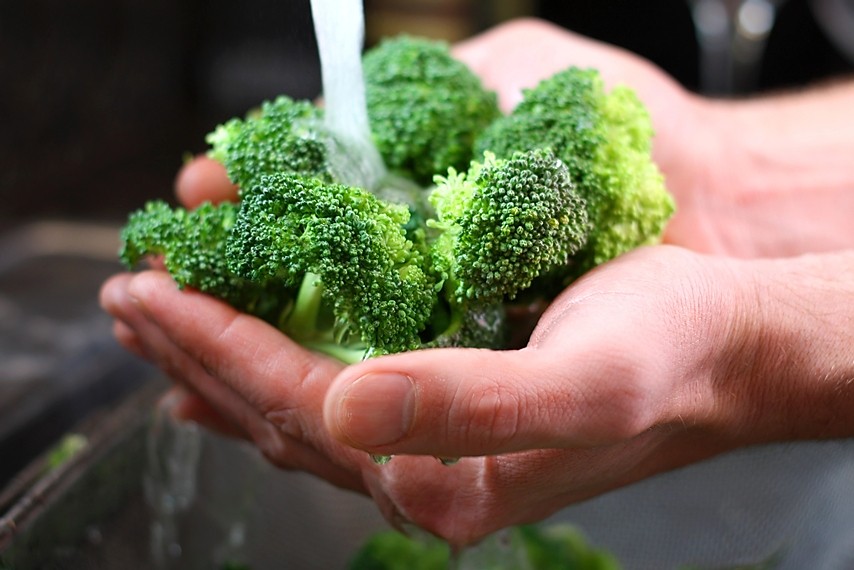
Broccoli might not win any pretty veggie awards but it’s dependable. Rich in fibre, vitamin C and vitamin K and containing a notable amount of water, it earns its place on the plate far more often than it gets credit for.
Small Vegetable, Strong Nutritional Profile
Broccoli is one of those foods that packs in more than expected. Alongside fibre that helps support digestion and keeps you fuller for longer, it also contains antioxidants and plant compounds linked to supporting normal cell health.
One of those compounds is sulforaphane, naturally found in broccoli and often highlighted for its antioxidant properties. Raw broccoli tends to retain more vitamin C and certain nutrients than heavily cooked broccoli, which is why many people mix up how they eat it rather than sticking to one method.
More Ways to Eat It Than You Think
Broccoli is easy to build into everyday meals with very little effort. It can be:
- Steamed and served as a side
- Roasted for extra flavour
- Added to stir-fries and pasta dishes
- Broccoli soup or mixed into soups
- Eaten raw with dips or in salads
Raw broccoli has a firmer crunch and slightly sharper taste, though it can feel a little heavy on the stomach for some people. Light steaming softens the texture while still retaining much of its nutritional value.
Hydration Remains a Priority
Although broccoli doesn’t taste particularly watery, its water content still contributes modestly to hydration as part of a balanced diet. Like the rest of the food in this series, it works best alongside proper hydration rather than replacing it.
A balanced plate that includes vegetables like broccoli, paired with regular glasses of drinking water throughout the day, remains a simple and reliable combination – whether at home, at work, on site, at school or anywhere in between.
Sources
BBC Good Food – Broccoli Health Benefits

by Fern Shaw | May 18, 2026 | water cooler, Water Coolers
For a vast majority of us, Monday is not a popular day. Even if you enjoy what you do, even if you think your colleagues are the best, even if Monday doesn’t faze you, the fact remains the day doesn’t quite have the same appeal as does, say Friday.
As we recently posted about all things brain and how vital maintaining good hydration habits is for brain health, in this tome we thought it would be a good idea to provide what one may term ‘baby steps’ options that may just help the ‘I don’t like Mondays’ crew inject just a smidgen more enthusiasm into their get up and go.
Train the brain
An attitude adjustment is a great start. It could be something as simple as setting the alarm as little as 15 minutes earlier and using those precious minutes to stretch, sit up, straighten up, put your feet on the floor and slowly shift from asleep to awake.
Shake up the routine
Instead of shuffling to the kitchen to put the kettle on, how about heading to the basin – washing your hands with an invigorating handwash or soap – peppermint or citrus fragranced spring to mind – rinsing off, then splashing cold water (more on water later) on your face.
Upset the apple cart not the apples
Rather than be glued to your mobile’s screen, put on some music and shimmy down the hall (once you’ve stretched and splashed that is).
Switch up your shot
We’ve all heard it before – how downing a good glug of water when you wake really is good start – but it can seem a little dull. So, why not switch it up which can help add oomph to your start to the week. From a squeeze of lemon juice into your water glass, steeping fresh ginger into hot water or even making your first cuppa peppermint tea instead of your usual.
Tip Top Mondays
Just remember, there’s one habit that needs maintaining – and that’s making sure that however you begin your Monday, or wherever you are in the UK, you keep topping up your water bottle or water glass morning, noon and night. Whether it’s at home, at your desk, or during a quick catch-up around the office water cooler, staying hydrated can help switch those Monday blues to a pastel blue heaven.

by Fern Shaw | May 13, 2026 | water cooler, water dispenser
This article forms part of AquAid’s Water Cooler Guide to Health series.
In our very busy lives, it’s often the simplest habits that become the hardest to maintain.
Take drinking water, for example. Most of us know we should be drinking more of it, yet during long working days, endless meetings and screen-heavy routines, it’s surprisingly easy to forget. Hours pass, concentration dips, headaches creep in and only then do we realise we haven’t had a proper drink all day.
The brain tends to notice this faster than we think.
It Makes Sense That Hydration Plays an Important Role
Given that the brain is made up of around 75% water, it makes sense that hydration plays an important role in how clearly and efficiently we function day to day. From concentration and memory to mood and alertness, water helps support the processes that keep our minds working steadily throughout the day.
Our brains contain billions of neurons constantly sending signals throughout the body. When hydration levels begin to drop, even slightly, those processes can become less efficient. That can leave us feeling sluggish, unfocused or mentally tired far sooner than usual.
Studies Have Linked Even Mild Dehydration
Studies have linked even mild dehydration to reduced concentration, poorer memory and lower attention spans. It can also affect mood, making people feel irritable or fatigued more quickly.
One of the more common signs is difficulty concentrating for long periods of time. Another is headaches. For some people, dehydration is a recognised headache and migraine trigger, particularly during warmer weather or after long stretches without fluids.
Staying Hydrated is One of the Simplest Habits
The good news is that staying hydrated is one of the simplest habits to improve. Keeping water nearby during the day makes it far easier to drink consistently rather than waiting until thirst kicks in.
Easy access to water dispensers, whether that’s in workspaces, educational settings, medical facilities or shared environments, can help encourage regular drinking habits without disrupting the flow of the day. Even short pauses to refill a bottle or grab a glass of water can help people reset and refocus.
And while water won’t magically turn us into productivity machines overnight, being properly hydrated does help support clearer thinking, steadier concentration and better day-to-day mental performance.
After all, when your brain is working hard all day, it makes sense to give it the water it relies on.
Sources